
Topic starter
BDNF and nutrition
Read here how you can increase BDNF through diet and what you should not eat. All of this, of course, is for neurogenesis to repair and grow brain cells. Additionally, high BDNF is also beneficial for other nerve cells.
Nutrition and lower BDNF
The foods listed below are known to trigger inflammatory responses and lower serotonin, causing BDNF to decrease as well.
Sugar: Consuming sugar, and particularly fructose, directly inhibits the production of BDNF and causes cognitive decline. Fructose combined with glucose in a molecule is what we call table sugar. Avoid added sugar as much as possible. Furthermore, sugar triggers inflammatory responses in the body, resulting in reduced serotonin release.
Bad fats: Bad fats cause inflammatory responses in the body, and this leads to a reduction in serotonin release via inflammatory factors. The bad fats are typically plant-based omega-6 fats used for frying, such as sunflower, soy, and peanut oil. Hydrogenated (vegetable) fats are also bad fats.
Dairy: Dairy can also promote inflammation at high intakes. It is best not to consume sweetened or unleavened dairy products. So unsweetened kefir or yoghurt can be eaten in moderation.
Gluten: Eat as few grain-based products as possible. Gluten can also cause inflammation, especially in allergic reactions. Oats, and therefore oatmeal, can be eaten though.
Alcohol: Alcohol is fermented sugar and is best avoided altogether. If alcohol is drunk anyway, half to a whole glass of wine a day can be consumed without too much harm. Above that, alcohol already becomes an inflammation promoter.
Meat: Game, grass-fed meat and wild fish are no problem provided red meat is eaten in a limited way (advice is max 2 times a week). Any fish that has not been wild-caught or fed other than natural is best not eaten. Grain- and corn-fed animal products are also not recommended.
Nutrition and higher BDNF
All anti-inflammatory foods and nutrients indirectly help to increase BDNF. Therefore, all antioxidants, polyphenols, and omega-3s increase BDNF. Naturally, the building blocks of serotonin must also be present in the diet. Below are the BDNF-boosting foods.
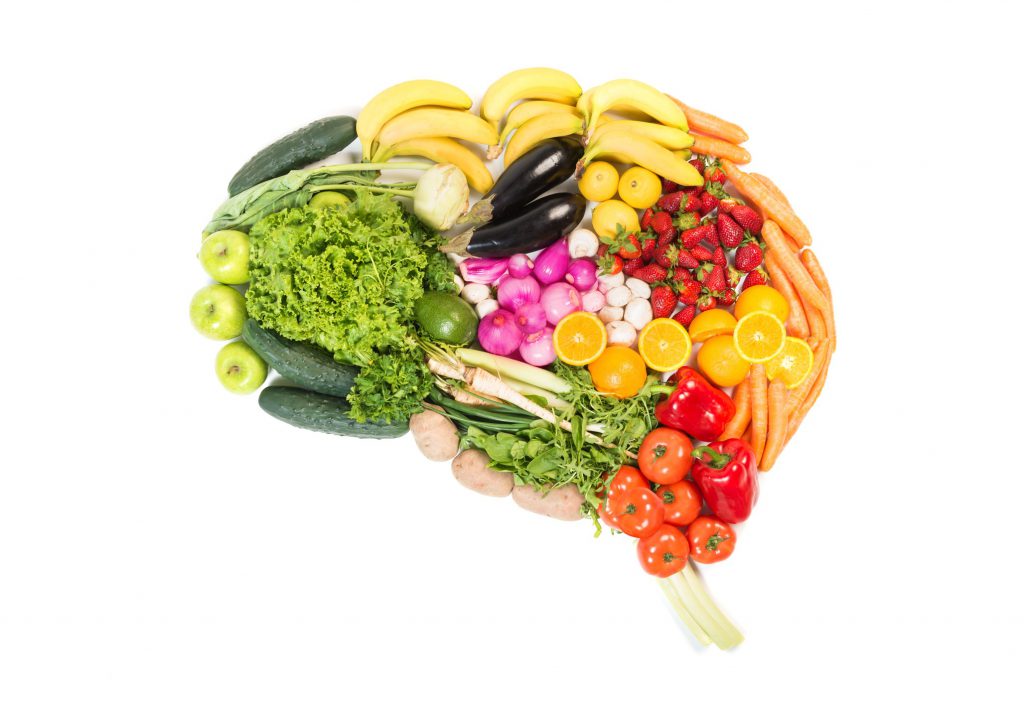
Complex carbohydrates: Complex carbohydrates are slowly digestible and ensure a stable blood sugar level, requiring less insulin. This prevents insulin insensitivity and, consequently, various inflammatory reactions in the body. Furthermore, most sources of complex carbohydrates also contain many antioxidants and dietary fiber. It is advisable to make vegetables half of all your food intake, along with two pieces of fruit per day and a little oatmeal. Additionally, a handful of nuts per day can have a positive effect on serotonin production.
Omega-3: Omega-3 fatty acids DHA and EPA play an important role around the serotonin receptor. For instance, EPA is an important anti-inflammatory agent, and DHA makes the cell membrane of the 5HT receptor more sensitive to serotonin. Foods rich in DHA and EPA include fish, shellfish, and crustaceans. Algae and krill also contain high amounts of EPA and DHA, and the human body can also produce them from the Omega-3 fatty acid ALA, which is abundant in flaxseed oil and walnuts (and walnut oil).
Omega-6: Since we consume omega-6 in abundance and should actually limit our intake, GLA (gamma-linolenic acid), an omega-6 fatty acid, can help us combat inflammation. The body produces limited amounts of this rare omega-6 fatty acid. Supplementation is possible with borage oil (Borogo Officinales), evening primrose oil (Oenothera Biennis), or blackcurrant seed oil (Ribis Nigrem).
Polyphenols and antioxidants: Antioxidants, and polyphenols in particular, work very well against the oxidation of body molecules because they can absorb free radicals, such as free oxygen. In doing so, the body prevents inflammation caused by oxidation (just as iron can rust). Almost all natural plant-based foods are full of polyphenols and antioxidants. The better a food is at combating free radicals, the higher the ORAC value, which stands for Oxygen Radical Absorbance Capacity.
View a list here with ORAC values
Tryptophan-rich foods: Tryptophan is the precursor of 5-HTP and serotonin and must therefore be obtained through diet. Foods high in tryptophan include oatmeal, nuts, seeds, spirulina, cocoa (pure), sesame seeds, chickpeas, spinach, sunflower seeds, parsley, asparagus, mushrooms, broccoli, beans, nuts, seeds, soybeans, and turkey.
Vitamin B: Vitamins B3, B6, and B12 are cofactors in the formation of serotonin. Foods that can provide B vitamins include (grass-fed) meat, fish, (fermented) dairy, whole grains, vegetables, fruit, potatoes, legumes, eggs, and (cashew) nuts. A vegan would need to supplement B12 because B12 is found only in animal products.
Minerals: Minerals such as zinc, iron, and magnesium play an important role in a great many biochemical processes in the body, including the formation of serotonin. Eat as many vegetables as possible, and if you cook vegetables, cook them for as short a time as possible. Combine them with as many vegetables as you can consume. Vary your diet with nuts such as cashews, pistachios, walnuts, and pecans. Cacao is very rich in minerals in its pure, unprocessed form. Whole grains such as brown rice and oats are also good sources of minerals.
MAO-inhibiting foods: MAO is an enzyme that breaks down serotonin, among other things. This is a natural process that is supposed to take place. However, the activity of MAO can be inhibited in a healthy way and in moderation through certain foods, so that serotonin is broken down less quickly. Seaweed, turmeric, passion flower and rhodiola are mild MAO inhibitors.
Other things to increase BDNF
Read our article about all methods to increase BDNF
Posted : 16 March 2019 16:48