
Topic starter
Causes of histamine intolerance
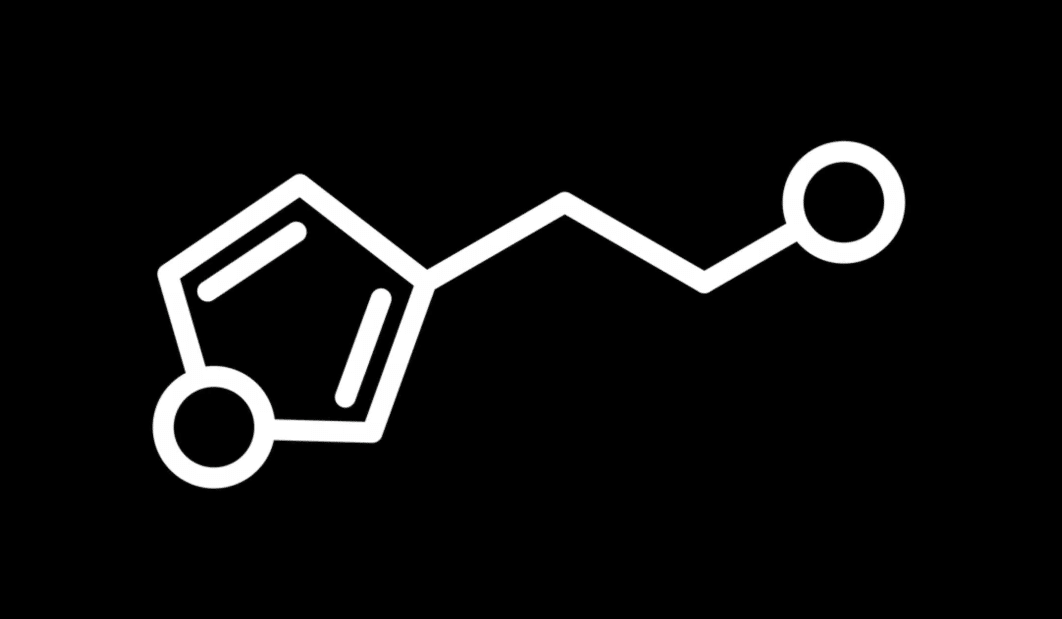
Normally, histamine is broken down by enzymes. MAO, DAO and NMT. In some people, this occurs insufficiently. One cause may be that genetic changes result in the production of fewer of these enzymes. Intestinal problems also have an influence on this. Certain medication use (such as dihydralazine, isoniazid, clavulanic acid, promethazine, verapamil, metoclopramide, and ambroxol hydrochloride) or alcohol consumption can also cause the DAO enzyme to be produced to a reduced extent.
Other DAO blockers are:
- Coffee
- Energy drinks
- Tea (black, green, yerba mate)
Vitamin B6 and vitamin C work closely with the DAO enzyme. When these two vitamins are present in insufficient amounts, the histamine level will rise. Due to reduced production, too much histamine remains in the blood.
Possible causes are:
- Allergies
- Inflammation
- SIBO / unbalanced gut flora
- Celiac disease
- Foodstuffs
- Prolonged use of histamine blockers
- Mastocytosis; in this condition, there are too many mast cells present.
People prescribed antihistamines notice a reduction in their current symptoms. However, this can simultaneously affect stomach acid production. Heartburn is a consequence of this. In most cases, there is a stomach acid deficiency rather than an excess. Antacids such as Rennies or similar medications relieve heartburn, but in doing so, they also hinder proper digestion. As you can see, everything is interconnected. With the antihistamine diet, there is a possibility to reduce symptoms without medication. A diet low in histamine automatically results in lower histamine levels.
More information:
Posted : 29 November 2023 21:05