
Topic starter
Using psychedelics during therapy
We use psychedelics during a psychedelic therapeutic session. This form of therapy has the best effect of all forms of therapy we have seen so far. First, here is an explanation of how psychedelics work.
Psychedelics
Psychedelics are a classification of plant-based and synthetic substances known to produce an unusual state of consciousness so powerful and unique that they are most often compared to near-death experiences or states of religious ecstasy. When one hears the term 'psychedelic,' it is often associated with hippies and the social movements of the 1960s, but beyond the superficial associations and stigmas lies a rich story of ancient human history, scientific discovery, and medicinal treatment.
Various psychedelics
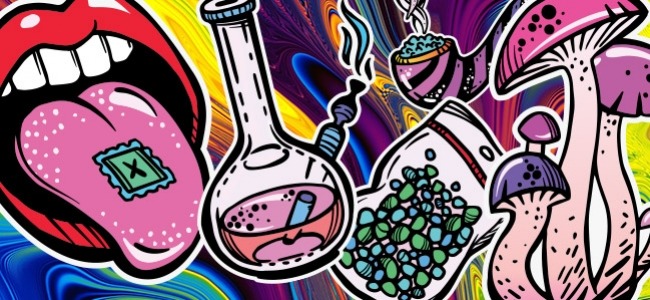
The group of substances falling under the category of “psychedelics” includes both plants and synthetic drugs such as cannabis, MDMA, LSD, psilocybin mushrooms, ayahuasca, DMT, and ibogaine. Some of these, such as cannabis, ibogaine, and psilocybin mushrooms, occur naturally in the plant world and can be ingested or smoked to produce psychedelic effects. Others, such as ayahuasca, are made by combining two different plants and preparing them in a specific way that produces visionary effects. Outside the plant world are man-made synthetic compounds such as LSD and MDMA that do not occur in nature.
How do psychedelics work?
What do psychedelics actually do in our brains? With such a diverse range of sources, it is difficult to identify a common factor, but there are many similarities in how these substances interact with our brain chemistry. The active chemical in psychedelics binds to the same receptor in your brain as the neurotransmitter serotonin, which is responsible for transmitting information to different parts of the brain and is closely linked to mood, sexual desire, appetite, sleep, and memory. While there is still some mystery surrounding exactly how they work in your brain, psychedelics have been shown to increase and decrease neuronal activity in brain regions as well as the prefrontal cortex. The prevailing hypothesis is that the effects of psychedelics are the result of increased brain activity, but other research suggests that compounds like psilocybin may work by regulating and restricting the brain areas that act as filters. This will enable us to temporarily break through the barriers that limit us in a normal state.
Psychedelics and the past
Psychedelics have always played a central role in numerous cultures around the world thanks to their ability to catalyze transformative experiences and revelations in those who use them. In ancient Zoroastrian and Hindu cultures, the psychedelic substance known as soma played a central role in their religion. In ancient Greece, at the dawn of Western civilization, their sacred annual ritual was known as the Eleusinian Mysteries, featuring a brew known as Kykeon, which many scholars believe was a psychedelic drink. Other cultures, such as the ancient Egyptians and countless indigenous tribes, also used psychedelics and highly valued them. Many of these indigenous tribes still exist today and use psychedelics as a key component in their religion and spirituality.
Why we can use psychedelics now
Today, as the restrictions and stigmas surrounding psychedelics begin to diminish, there is a wide range of exciting new research and new applications for these transformative substances. Organizations such as the Multidisciplinary Society for Psychedelic Studies (MAPS), the Heffter Institute, and others have conducted scientific studies into the therapeutic value of psychedelics for treating conditions such as PTSD, drug abuse, end-of-life anxiety, social anxiety, obsessive-compulsive disorder, and depression. Psychedelics are particularly well-suited to treating these psychological conditions due to their ability to bring a person into an unparalleled state of openness and self-reflection that lies outside their normal daily ego-consciousness. In this revealing state, people can see things about themselves, such as chronic behaviors, past traumas, addictions, and judgments that normally operate under the radar of awakening consciousness. After such a revealing experience, people are often empowered to make fundamental changes in how they live and how they view themselves and the world. Harnessing the power of this 'peak experience' that psychedelics offer is the essence of what makes them so unique and effective. Psychedelic therapy often involves not only taking a psychedelic substance, but also doing so with a trained ‘trip coach’ who can help a person open up and experience their experience in a supportive environment. This applies not only to clinical psychedelic treatments, but also to the realm of psycho-spiritual therapy that you would find in indigenous psychedelic ceremonies or places such as ayahuasca retreat centers, where trained shamans guide people through their experience and keep them grounded and supported. Psychedelics do not offer a cure in themselves, but create a visionary experience that people can use to heal themselves. Because they are so incredibly powerful, both psychotherapists and shamans agree that they should rarely, if ever, be used alone.
The best trip coach
You can count on us for the best trip coach for your situation. Everyone is different, and everyone needs a different plan. We can be of service to you.
We believe that a healthy body provides a healthy foundation for being mentally healthy too. We therefore make every effort to advise our clients regarding nutrition, exercise and supplements. Typically, with most clients, we maintain a schedule that looks like the following:
- Report, neurotransmitter test and intake
- Advice on nutrition exercise and supplements based on point 1
- A period of 2-3 weeks of progress reviewing point 2
- An individual psychedelic therapy session (unless a group offers additional benefit or preference)
- Follow-up discussion of the mushroom therapy on the same day
- After about 1-2 weeks, another follow-up discussion
More information on psychedelic therapy
Contact details
Would you like to know more about what we do and who we are first? Feel free to ask us anything you want. You can do this via the options below. Choose a medium you feel comfortable with.
Public questions via forum: Click here
Phone and Whatsapp: +31640898455
Email: info@triptherapie.nl
Contact form:
Facebook:
Twitter:
Posted : 28 May 2019 20:22