
Topic starter
Tripping for PTSD
Psychedelic therapy for trauma and PTSD is becoming increasingly common. Many ongoing studies use psilocybin primarily for depression and MDMA for trauma and PTSD. However, psilocybin can also be used for trauma and PTSD.
Read more about the here studies into psilocybin therapy
Psilocybin for PTSD
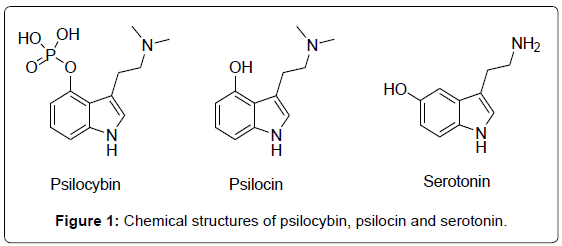
In trip therapy, we regularly use psilocybin to treat depression and, in an increasing number of cases, also trauma and PTSD. Anxiety symptoms are often deeply connected to depression, as stress indirectly lowers serotonin levels. Low serotonin is an indicator of anxiety and depression and can worsen the situation through a negative spiral. Psilocybin, which forms psilocin after conversion, is a psychedelic that perhaps most closely resembles serotonin and can therefore directly alleviate depressive feelings. Furthermore, during psilocybin sessions, insights may emerge, and new brain connections, a connection with the divine, empathy, sympathy, and self-love may be experienced. All these properties of psilocybin can help people with PTSD.
Tripping and PTSD?
Let us state right away that psychedelics and PTSD can also cause a bad trip, during which all fears can surface in a negative way. In individuals with PTSD This can cause the situation to worsen. It is therefore very important to make the right preparations, create the right situation during the trip, and have an experienced trip therapist/guide nearby. If all these matters are in order, you significantly minimize the chance of a bad trip.

The preparation of the treatment
Medication check
Certain medications typically prescribed to suppress symptoms of PTSD definitely cannot be taken with most psychedelics.
Antidepressants (SSRI, MAO inhibitors, TCAs) or other psychoactive medications cannot be combined with psilocybin for health reasons.
Unfortunately, persons with severe heart conditions and/or medication for cardiovascular function (Tramadol, etc.) cannot undergo psilocybin treatment either.
Disclaimer: Always consult the doctor who prescribes the medication about whether and how this medication can be safely tapered off. Never stop taking medication abruptly without consulting your doctor first!
Improve neurochemistry
Based on the intake and neurotransmitter test completed during registration, we will formulate advice regarding neurochemistry. This means we will recommend supplements, nutrition, and activities to balance the neurotransmitters before conducting the psychedelic session. It is fairly common, almost always, for levels of the neurotransmitters GABA and serotonin to be low in PTSD. A low GABA level in PTSD must always be restored first to ensure the best possible psychedelic session.
Read more here GABA/glutamate and bad trips
Map out the triggers
When undergoing psilocybin treatment for PTSD, it is helpful to create an overview of the triggers that cause stress. These can be sounds, situations, people, or other factors. Additionally, it is useful to write down the primary response. By primary response, we mean the automatic reaction of the body or mind, which often involves the fight, flight, or freeze response. Furthermore, you can record the secondary response, which refers to the conscious choice you make following the trigger and primary response. For convenience, create a table that looks something like this:
| Triggers | Primary response | Secondary response |
|---|---|---|
| Sound | ||
| Neighbour | ||
| Swear word |
In case you are not sure what your triggers or responses are, fill in as much as possible and leave the unknowns blank.
The psilocybin session for PTSD
The psilocybin session in PTSD treatment proceeds slightly differently than in other sessions. The preliminary discussion before the session itself, the onset, and the peak of the psilocybin session have nothing directly to do with the treatment of PTSD yet, but rather with the antidepressant properties of a psilocybin trip. It is precisely during the coming down that we will focus on anxiety symptoms, triggers, and responses. During the coming down, we use the insights, satisfaction, and all other positivity to discuss PTSD-related matters so that the brain begins to store these concepts in a different way. With a very strong sense of satisfaction and acceptance, subconscious processes can be altered as associations change while the brain is in a state where it makes new connections more easily.
More information or start the intake?
Posted : 5 February 2021 13:10