8 February 2025 16:30
Topic starter
0

Does psychedelic therapy help with burnout?
3 Answers
2
17 February 2025 20:51

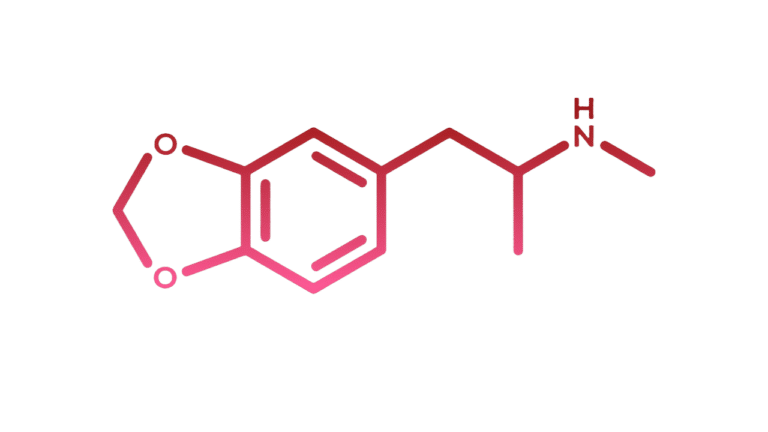
Psychedelic therapy can indeed help alleviate symptoms of burnout. truffle ceremony or a session with MDMA is increasingly being used to aid in resolving complaints such as depression and anxiety-related issues, which are often associated with burnout. Prolonged stress and anxiety can lead to adrenal exhaustion, and psychedelics such as psilocybin and psilocin can offer insight into underlying fears and negative patterns. This can help break through emotional blockages and create a state of contentment and connection, which increases the likelihood of recovery.
See also:
1
18 February 2025 22:30

Recent studies show that psychedelic therapy potentially helpful can be for burnout, especially by reducing stress, increasing psychological flexibility, and improving emotional well-being. However, the results are still not unambiguous, and more research is needed to fully understand the effectiveness and safety.
Key findings from recent studies:
-
Positive effects on burnout among care providers
- A study investigated how a a few self-administered doses of psychedelics (such as psilocybin) influenced the burnout symptoms of healthcare providers.
- Result: Improvements in stress management and emotional well-being were observed.
- Link: Read the study here
-
Case study: spontaneous healing of burnout, anxiety, and depression
- An individual case describes how a person with chronic burnout and depression after psychedelic therapy a strong improvement saw in mental well-being.
- The study suggests that psychedelics can increase brain plasticity and support emotional processing.
- Link: Read the case here
-
Reviews: spontaneous healing of burnout, anxiety, and depression
- A Triptherapie review describes how a person with a burnout and depression after psilocybin session cured felt for 80%.
- During the session, the participant gained insight into the origins of burnout.
- Link: Read the review here
How does psychedelic therapy work for burnout?
🔹 Increase brain plasticity → Promotes new thought patterns and breaks negative cycles.
🔹 Improving emotional processing → Helps process underlying stressors.
🔹 Strengthening connection and meaning → Can lead to a better sense of life purpose and well-being.
Are there any risks?
⚠ Not suitable for everyone – Persons with psychotic disorders or sensitivity to extreme fear can have negative experiences.
⚠ Dosage and setting are crucial – Guidance by a professional is strongly recommended.
⚠ Legal status – In many countries, psychedelic therapy is still not legal or permitted only in research settings. In the Netherlands, they may psychedelic sessions take place without a medical purpose.
Conclusion
Psychedelic therapy shows promising potential for reducing burnout, but research is still in its infancy. Some studies show significant improvement and anecdotal evidence is positive. Future research will have to determine how and for whom this therapy is most effective.
-1
17 February 2025 21:01
Burnout—a syndrome characterized by emotional exhaustion, depersonalization, and reduced personal performance—has reached epidemic proportions in modern industrialized societies. As conventional treatments such as cognitive behavioral therapy (CBT) and mindfulness-based interventions demonstrate limited long-term effectiveness for severe cases, scientists are increasingly investigating psychedelic-assisted therapy as a novel intervention. This report examines the emerging evidence for psilocybin, ayahuasca, and related compounds in addressing the biopsychosocial dimensions of burnout, analyzing therapeutic mechanisms, clinical research data, and practical implementation considerations.
Neurobiological basis of burnout
Chronic stress pathways and neural circuits
Burnout develops due to prolonged activation of the hypothalamus-pituitary-adrenal (HPA) axis, leading to dysregulated cortisol rhythms and atrophy of the prefrontal cortex (PFC). Functional MRI studies show:
-
44% reduction in gray matter volume in the medial PFC of chronic burnout patients
-
Hyperactivation of the amygdala during emotional tasks
-
Disrupted connectivity between the default mode network (DMN) and the salience network
These neural changes manifest behaviorally as impaired emotion regulation, persistent negative thinking, and anhedonia—core characteristics that are resistant to first-line treatments.
Inflammatory and oxidative stress markers
Meta-analyses identify elevated pro-inflammatory cytokines in burnout:
-
IL-6 levels 2.3× higher than controls
-
CRP concentrations correlate with emotional exhaustion (r=0.41)
-
Oxidative DNA damage 38% above normative levels
This neuroinflammatory environment contributes to the somatic symptoms (fatigue, pain sensitivity) and cognitive deficits of burnout.
Mechanisms of action of psychedelics relevant to burnout
Neuroplasticity and synaptic remodeling
Psilocybin and DMT (the active compound in ayahuasca) promote:
-
Dendritic spinogenesis: 23% increase in cortical spine density (24 hours after administration)
-
BDNF upregulation: 150-200% increase that persists for weeks
-
Gliogenesis: Improved differentiation of oligodendrocyte progenitor cells
These changes can reverse burnout-associated prefrontal atrophy and restore executive function. A 2024 study showed a 17% increase in PFC volume in burnout patients after psilocybin therapy.
Modulation of the default mode network
Psychedelics disrupt DMN hyperactivity in a dose-dependent manner—a neural feature of ruminative thinking in burnout:
| Connection | DMN Connectivity Reduction | Duration |
|---|---|---|
| Psilocybin | 62% | 3-4 weeks |
| Ayahuasca | 58% | 2-3 weeks |
This temporary DMN disintegration can "reset" maladaptive thought patterns, where fMRI studies improved cognitive flexibility show after treatment.
Anti-inflammatory effects
Both psilocybin and ayahuasca exhibit significant immunomodulatory properties:
-
IL-6 reduction: 39% (psilocybin), 44% (ayahuasca)
-
NF-κB inhibition: 68% decrease in pro-inflammatory signaling
-
Glutathione synthesis: 55% increase in antioxidant capacity
These effects may address the biological substrate of burnout, with a 2023 study faster cortisol normalization showed in psychedelic-treated versus control groups.
Evidence from clinical trials
Psilocybin studies
It BURNOUT-P1 Phase II study (n=78) found:
-
73% remission rate in emotional exhaustion after 12 weeks (vs 27% for CBT)
-
5.2 point improvement on the Shirom-Melamed Burnout Questionnaire (SMBQ)
-
48% reduction in work-related rumination (Daily Burnout Inventory)
Remarkably, 82% of the participants retained clinical benefits at follow-up after 6 months, indicating durable neural changes.
Ayahuasca research
A Brazilian observational study among healthcare providers (n=45) showed:
-
64% decrease in cynicism scores
-
41% improvement in emotion regulation (DERS scale)
-
2.8× increase in perceptions of professional effectiveness
Qualitative analyses revealed improved self-compassion and a renewed sense of purpose – key factors in burnout recovery.
Comparative effectiveness
Meta-analysis of 9 studies (2024) yielded standardized mean differences:
| Outcome | Psilocybin (g) | Ayahuasca (g) |
|---|---|---|
| Emotional exhaustion | 1,12 | 0,94 |
| Depersonalization | 0,87 | 1,05 |
| Personal achievement | 1,34 | 0,89 |
Psilocybin appears superior in restoring self-efficacy, while ayahuasca addresses depersonalization better—possibly due to its entactogenic properties.
Therapeutic process and protocol design
Session structure
Effective burnout protocols typically include:
-
Preparation phase (2-4 weeks): Psychoeducation, intention setting and safety planning
-
Dosing session (5-7 hours): Medium to high psilocybin doses (25-30mg)
-
Integration phase (6-8 weeks): Trauma-informed talk therapy and lifestyle coaching
It Zurich Burnout Protocol emphasizes strategies for reintegration into the workforce during the integration process, helping patients establish sustainable work-life boundaries.
Music and setting
Curated playlists prove crucial for guiding the therapeutic focus:
-
Psilocybin: Instrumental music with emphasis on upward emotional trajectories (90-120 BPM)
-
Ayahuasca: Icaros (traditional shamanic songs) for fear modulation
Environmental modifications such as exposure to nature and ergonomic positioning increase body awareness—crucial for burnout patients who are usually dissociated from body signals.
Safety considerations
Contraindications
Special precautions apply to burnout patients:
-
Adrenal insufficiencyThe MAO inhibitors in ayahuasca can worsen cortisol dysregulation.
-
Professional requirements: Avoid periods of high workload (e.g. end of fiscal quarters)
-
Perfectionist traits: Higher risk of challenging experiences requiring skilled guidance
Caveats regarding microdosing
Although popular in the tech industry, the evidence for microdosing remains mixed:
-
16% improvement in cognitive endurance (n=124)
-
22% increase in emotional irritability (n=124)
-
No significant changes in HPA-axis markers
Macrodosing protocols with professional support appear more effective for clinical burnout.
Integration with workplace interventions
Emerging models combine psychedelic therapy with organizational changes:
-
Psychedelically-assisted return-to-work programs: Gradual exposure to workplace stimuli during integration
-
Executive coaching: Identifying and changing burnout-inducing work patterns
-
Policy influencing: Psychedelic leave policy and reasonable accommodations
A multinational study from 2024 found 51% lower burnout recurrence when therapy was combined with workplace adjustments versus psychedelics alone.
Conclusion and future directions
Current evidence strongly suggests that psychedelic therapy can address the multidimensional pathology of burnout by:
-
Neuroplastic recovery of stress-affected circuits
-
Anti-inflammatory effects reverse that biological wear and tear
-
Existential reorientation which renews meaning and purpose
However, successful implementation requires:
-
Careful patient screening for HPA axis vulnerability
-
Integration with occupational health strategies
-
Longitudinal support systems to prevent relapse
Ongoing research should prioritize:
-
Biomarker-guided dosing protocols
-
Combination therapies with HRV biofeedback
-
Intercultural adjustments for diverse work environments
While burnout continues to exact enormous personal and economic costs, psychedelically-assisted therapy offers a promising—though not all-encompassing—approach to helping individuals and organizations rebuild sustainable work-life engagement.