26 October 2024 09:07
Topic starter
1

Is DMT legal?
2 Answers
2
11 September 2025 13:37

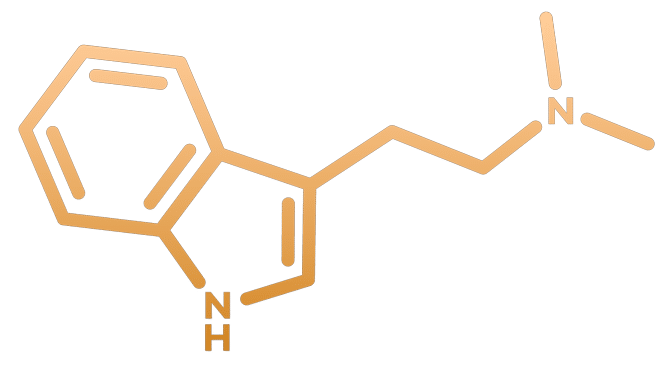
No, unfortunately DMT is not legal because it is listed on Schedule 1 of the Opium Act as a prohibited substance. This means that possession, production, and sale of DMT are punishable offenses in the Netherlands. DMT (dimethyltryptamine) is a powerful hallucinogenic substance that occurs naturally in various plants and animals, which actually makes it strange that it is an illegal substance. DMT is often used in shamanistic rituals, such as the use of ayahuasca, and has recently also gained popularity as a recreational drug. Despite the potential for therapeutic use, such as in the treatment of mental disorders like depression and anxiety, DMT remains DMT therapy temporarily illegal.
However, there are legal alternatives available for people interested in the therapeutic effects of psychedelics. In the Netherlands, for example, truffles can be used, which psilocybin contain, a psychedelic that can offer similar effects. These truffles are legal and can be used in guided ceremonies. Additionally, there are LSD variants and MDMA analogues which are also legal and can be used in therapeutic sessions.
1
11 September 2025 13:43

Since May 5, 1994, DMT has been explicitly listed on List I of the Dutch Opium Act. This follows from the Act of July 2, 1993 (Stb. 1993, 449), which re-established Lists I and II and included DMT therein; the Act entered into force on the second day following the issuance of the accompanying Royal Decree, which was issued on May 3, 1994 (thus entry into force May 5, 1994).
The Amendment Act of 1993 brought the Opium Act into line with the Convention on Psychotropic Substances (1971) and explicitly placed hallucinogens (such as DMT), among others, on List I. The Royal Decree of 24 January 1994 (Stb. 1994, 309) linked the entry into force to the publication date; since that publication took place on 3 May 1994, the Act came into force on 5 May 1994.
So DMT is illegal, and if you are wondering since when, it became illegal on May 5, 1994.