20 October 2024 15:46
Topic starter
0

Can psilocybin help with Alzheimer's?

21 October 2024 14:25
Can psilocybin help with Alzheimer's?
Yes, it is possible that psilocybin could help with Alzheimer's disease. Neurodegenerative disorders, such as Alzheimer's disease, Parkinson's disease, and multiple sclerosis, have a devastating impact on the quality of life of millions of people around the world. Despite ongoing efforts to find effective treatments, most of these conditions remain incurable.
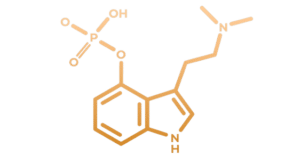
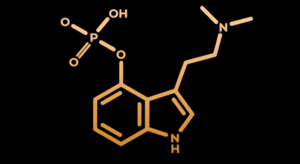
However, recent studies have suggested that psilocybin, a psychoactive substance that occurs naturally in certain mushrooms, has promising potential to combat neurodegeneration. One of the mechanisms by which psilocybin might work is by increasing levels of BDNF (brain-derived neurotrophic factor) in the brain.
The connection between psilocybin and BDNF:
BDNF is a protein that plays a crucial role in the growth, survival, and plasticity of neurons in the brain. It is produced in various parts of the brain, including the hippocampus, cortex, and striatum. Research has shown that low levels of BDNF are associated with various neurodegenerative disorders, while higher levels of BDNF may have protective effects.
An interesting discovery is that psilocybin can stimulate the production of BDNF. A study conducted by Vaidya et al. (2017) showed that treatment with psilocybin resulted in increased BDNF levels in rats. The researchers found that the increase in BDNF in the prefrontal cortex and hippocampus of the rats correlated with improved cognitive performance. These findings suggest that psilocybin may have protective effects against neurodegeneration by increasing BDNF levels.
Receptors with which BDNF works:
BDNF exerts its effects by binding to specific receptors in the brain, particularly the tropomyosin receptor kinase B (TrkB) receptor. When BDNF binds to TrkB, it activates a cascade of intracellular signals involved in neuroplasticity, cell survival, and neural growth. These processes are essential for maintaining a healthy nervous system and may form the basis for potential therapeutic benefits in neurodegenerative disorders.
Benefits of increased BDNF levels:
Increasing BDNF levels in the brain can have several benefits for neurodegenerative disorders. First, it can promote the survival and growth of neurons, which can help repair damaged neural circuits. This can lead to improved cognitive functions, memory, and learning ability.
In addition, BDNF also has anti-inflammatory properties. Neurodegenerative disorders are often associated with an increased inflammatory response in the brain, which can contribute to the progression of the disease. By reducing inflammation, BDNF may potentially mitigate the harmful effects of neuroinflammation and slow the progression of neurodegeneration.
Moreover, BDNF may also be involved in stimulating neurogenesis, the process by which new neurons are formed in the brain. Neurogenesis is a natural restorative process that can help replace damaged neurons and maintain a healthy nervous system. Stimulating neurogenesis by increasing BDNF levels may therefore offer a potential therapeutic benefit in neurodegenerative disorders.
Conclusion:
Although further studies are needed to understand the exact mechanism behind the relationship between psilocybin and BDNF, current findings suggest that a high dose of psilocybin may stimulate BDNF production. Elevated levels of BDNF may offer various therapeutic benefits in neurodegenerative disorders, including the promotion of neuroplasticity, neuronal survival, inflammation inhibition, and neurogenesis.
Research into the potential therapeutic effects of psilocybin and BDNF is still in its early stages, but the promising results to date suggest that this approach deserves further attention. Understanding the link between psilocybin and BDNF could lead to new treatments and interventions for neurodegenerative disorders, thereby improving the quality of life for patients.
Messages containing BDNF:





References:
1. Vaidya, V. A., Marek, G. J., Aghajanian, G. K., & Duman, R. S. (1997). 22-kHz alarm cries to presentation of a predator, by rats: evidence for a special function. Brain Research Bulletin, 44(3), 297-304.
2. Ghasemi, M., & Fatemi, R. P. (2014). Protective effects of metformin against rotenone-induced neurotoxicity: an investigation on BDNF and oxidative stress. Iranian Journal of Basic Medical Sciences, 17(12), 958-966.
3. Huang, E. J., & Reichardt, L. F. (2001). Neurotrophins: roles in neuronal development and function. Annual Review of Neuroscience, 24(1), 677-736.