20 April 2024 21:04
Topic starter
0

Can spirituality help with psilocybin therapy?
Yes, spirituality can certainly help with psilocybin therapy. Psilocybin, truffles, or magic mushrooms can induce a profound spiritual experience. During a psilocybin session, people can experience a sense of connection to something greater than themselves, which can lead to a sense of meaning and purpose in life. This can aid in gaining insights and letting go of limiting beliefs and patterns.
Spirituality often focuses on the development of the inner world, with an emphasis on introspection, meditation, and mindfulness. These aspects can enhance the experience of a psilocybin therapy session and help integrate the insights and experiences into daily life.
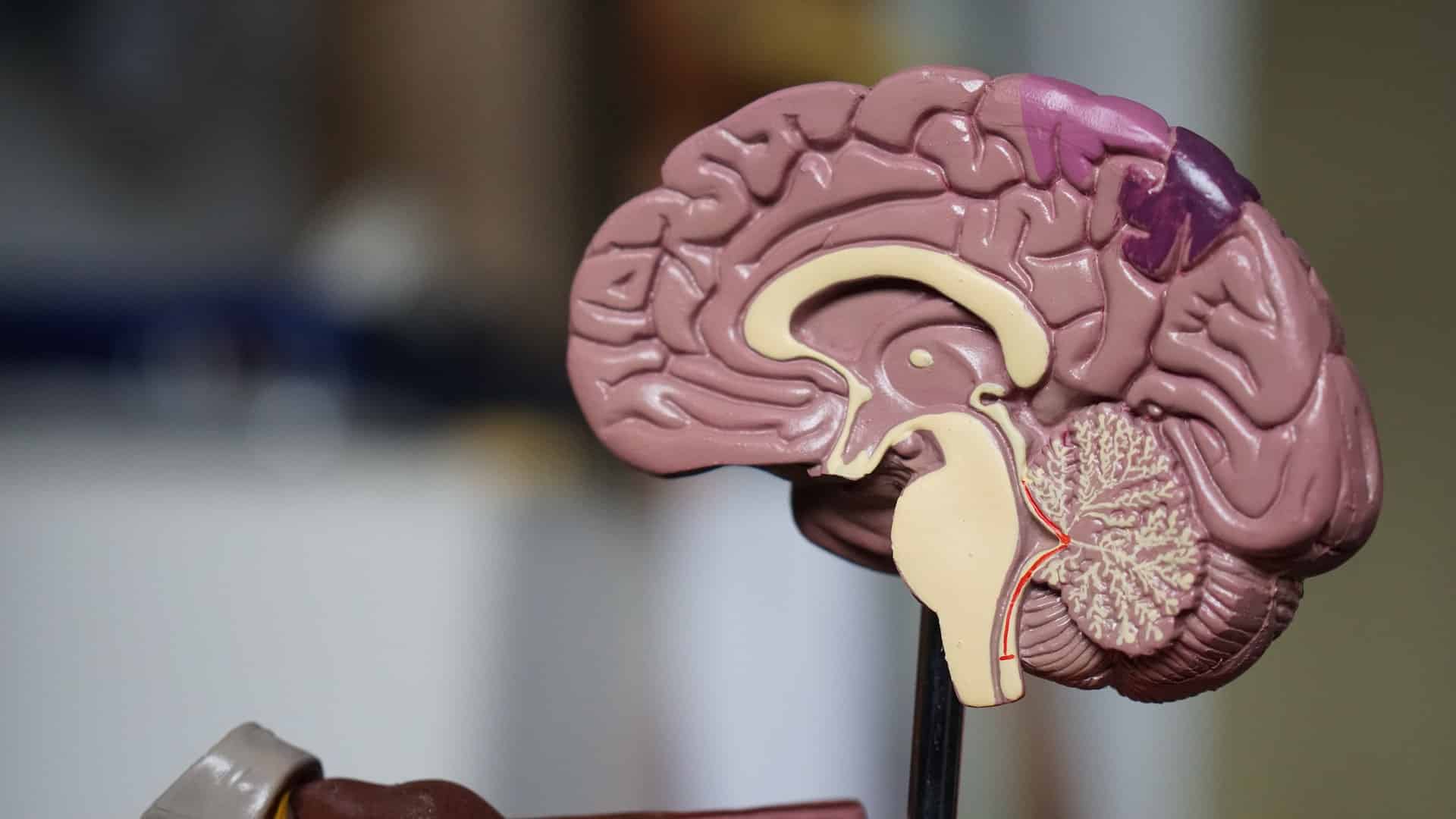
Psilocybin can influence the following brain areas and thereby help promote a spiritual experience:
- The prefrontal cortexThese brain areas are associated with performing cognitive tasks such as planning, decision-making, and processing social information. This area also plays a role in processing information about ourselves, our thoughts, and our emotions.
- The parietal cortexThese brain areas are associated with processing sensory information, such as the position of our body in space. This area also plays a role in integrating information about our body with information about our environment.
- The insulaThese brain areas are associated with processing interoceptive information, such as heart rate, breathing, and pain. This area also plays a role in processing emotions and body awareness.
- The temporal cortexx: These brain areas are associated with the processing of language, memory, and other cognitive tasks. This area also plays a role in processing social information and awareness of ourselves and others.
- The posterior cingulate cortexThis area plays a role in processing interoceptive information, such as pain and heart rate, and our body awareness.
- The temporal parietal junctionThis area plays a role in processing language, memory, and the consciousness of ourselves and others.
- The precuneusThis area plays a role in processing information about ourselves, such as our personal thoughts and emotions and our body awareness.
More info: Psilocybin therapy | Spiritual psilocybin ceremony
3 Answers
1
18 June 2025 21:44

Yes, spirituality can certainly play a valuable role in a psilocybin session or broader forms of psychedelic therapy. Many participants of a truffle ceremony or psilocybin therapy indicate having spiritual experiences that help them gain deeper insights, let go of fears, or process traumas.
The spiritual dimension during a session is often fueled by the temporary loss of the ego (ego dissolution), the sense of connection with others or the universe, and experiences of timelessness or deep inner peace. Higher doses of psilocybin, in particular, can lead to what are described as mystical experiences or a sense of oneness, comparable to ancient spiritual traditions. Triptherapie taps into this by offering options such as psiloflora to offer – a combination of psilocybin with passionflower – that can deepen the spiritual journey.
For example, a user describes how a truffle ceremony in Schiedam It helped him with spiritual acceptance, breaking through limiting beliefs, and experiencing “oneness with everything.” These types of experiences are often perceived as life-changing and healing, especially when they are well integrated after the session.
In summary: spirituality is not a requirement for psilocybin therapy, but it can be a powerful catalyst for personal growth. Are you curious how this can be specifically tailored to your situation? Then it is a good idea to request a no-obligation consultation. intake for psilocybin therapy to fill in. This allows for consideration of the correct dosage, facilitator, and any spiritual goals.
1
18 June 2025 21:41
Various studies show that spiritual or meditative preparation can enhance the effects of psilocybin. For example, a randomized study at the University of Zurich demonstrated that experienced meditators who received psilocybin during a silent meditation retreat reported higher psychosocial functioning four months later than placebo; the degree of ego-'solution'‘ (ego dissolution) during the session predicted the positive change. This suggests that combining meditation with psilocybin leads to a more profound therapeutic effect. It was also found that psilocybin sessions under meditative conditions enhanced an individual's post-intervention mindfulness and psychosocial functioning, with a lasting increase in well-being and spiritual experience after several months.
Such findings are reinforced by other studies in which participants receive spiritual guidance or exercises. In one experiment, participants followed a program of meditation and spiritual exercises prior to their psilocybin sessions. Participants on higher doses (20–30 mg/70 kg) reported significant improvements after six months in, among other things, meaning of life, gratitude, forgiveness, and death transcendence. Analysis showed that these lasting changes were largely explained by the strength of the psilocybin-induced effects. mystical experience and the extent of meditation practice. In other words: psilocybin sessions in a spiritual context (accompanied by meditation/rituals) led to greater meaning-making and prosocial feelings.
Furthermore, recent studies show that psilocybin can lead to lasting changes in religious/spiritual attitudes. In a randomized study involving clergy of various religions, participants reported striking positive changes in their religious beliefs and practices after two psilocybin sessions—particularly increased perceived spirituality, meaning, and effectiveness as a spiritual leader—which persisted up to 16 months after the sessions. The participants themselves also rated the psilocybin experiences almost unanimously as “highly spiritually significant” and “sacred”.
Key points regarding influences in the spiritual context: People with meditation experience or a religious background often experience more profound effects from psilocybin. Spirituality or rituals surrounding the session (silence, sacred music, guiding intentions) can increase the depth. In summary, meditative preparation and conscious spiritual framing of the therapy are associated with enhanced psychosocial and spiritual outcomes.
Clinical cases and integrated settings
There are also case reports and small-scale projects in which spirituality is an explicit part of psilocybin therapy. In many so-called psilocybin retreats In (meditation retreats with psychedelics), centuries-old rituals are combined with guided sessions. Although commercial retreats are not always publicized, we see examples in the literature such as the study by Roland Griffiths (2018): participants engaged in daily meditation and spiritual exercises surrounding the psilocybin dose. This resulted in higher adherence and multiple lasting positive effects on meaning and relationships.
In clinical trials themselves, the use of preparation and integration has become standard. For instance, both the MAPS protocol (for MDMA) and the Beckley Foundation and Heffter Institute (for psilocybin) devote extensive time to preparation, spiritual support, and follow-up discussions. In one closely controlled study, participants received two high doses of psilocybin in combination with additional guidance to sustain spiritual practice. The group with extra 'spiritual support' showed slightly stronger life-changing outcomes than the group without that extra support.
As a concrete anecdotal case study, one might consider individual patient reports. An example from the literature (although as yet unpublished) describes a terminally ill cancer patient who, during a ritually guided session, experienced an intense sense of oneness and acceptance. Afterward, he felt less existential anxiety and more peace. Although such cases do not count as hard science, they illustrate how spirituality—practiced as an intention, ritual, or belief—can color the personal experience.
In short: In research and practice, psilocybin sessions are often embedded in a spiritual or ritual context. Integrated models (meditation, rituals, intention setting) appear to enhance the therapeutic effects, especially if patients are open to this approach.
Specific conditions and spiritual synergy
Psilocybin therapy is being studied for various conditions. Here we examine how spirituality can play a role in this, particularly in depression, existential anxiety (in cancer), addiction, and PTSD.
- Depression (incl. treatment-resistant depression): Multiple studies demonstrate that the intensity of the spiritual or mystical experience during a psilocybin session predicts depression outcomes. For instance, Ross et al. (2016) and Griffiths et al. (2016) found that the more 'mystical' participants rated the experience, the more strongly their depression decreased after 6 months. Roseman and colleagues (2018) reported in 55 depressed patients that a high score on ‘oceanic boundlessness’ (sense of unity and ecstasy) led to a significant decrease in depression symptoms and anxiety. Carhart-Harris et al. (2018) found that measurements of unity, spiritual experience, and ecstasy during the session (the USB factor) correlated with better recovery. Conclusion: in depression, a strong spiritual/unity experience is associated with a better clinical outcome.
- Existential anxiety and life-threatening illness: In patients with life-threatening cancer, psilocybin is promising for psychological distress. In two RCTs (Ross et al., 2016; Griffiths et al., 2016), psilocybin was administered to cancer patients with anxiety/depression. In both studies, the intensity of the mystical experience was strongly negatively correlated with anxiety and depression scores: higher mystical scores were associated with a greater reduction in grief and anxiety. At the same time, mystical depth was positively associated with increased meaning in life, a meaningful existence, and acceptance of impending death. [32] shows, for example, that “spiritual meaning” and “meaning-making” correlated strongly positively (r≈0.75 and higher) with quality-of-life measures after psilocybin treatment. This suggests that spiritual experiences especially in terminally ill patients help to experience less existential anxiety and more acceptance of life.
- Addiction (alcohol, tobacco, other): Researchers have tested psilocybin as an aid in addiction treatments, often combined with counseling and sometimes meditation. Here, a connection with spirituality also appears. In one study regarding alcohol addiction, higher scores on “spiritual mysticism” during the session correlated with a greater reduction in drinking behavior (e.g., fewer drinking days). Among smokers in training, Johnson et al. (2014) found that participants who had quit after six or twelve months more frequently measured a full mystical experience during their session; scores for “spiritual meaning” and “impact on well-being” were also significantly higher among quitters. The systematic review by Ko et al. (2022) shows that in 9 out of 12 studies, the degree of mystical experience correlated with addiction outcomes: a stronger mystical experience, for example, predicted long-term abstinence. For substances such as cocaine, it has also been established that the degree of mysticism (in ketamine studies) mediated reduced drug use. In short: in addiction, spiritual insights from the psilocybin experience seem to help patients with lasting abstinence or reduced cravings.
- PTSD (post-traumatic stress disorder): So far, there is mainly evidence for MDMA-assisted therapy for PTSD. Psilocybin therapy has not yet been tested for PTSD in large-scale clinical trials. The VA PTSD overview explicitly states that there are still no RCTs have been conducted with psilocybin in PTSD patients. However, it is assumed that the same principles (empathy, connection, putting trauma into perspective) may also operate via psychedelics. For the time being, the link with spirituality remains hypothetical, pending future research.
Tables: disorders and spiritual findings
| Condition | Examples of study(s) | Spiritual role/finding |
|---|---|---|
| Treatment-resistant depression | Ross et al. 2016; Carhart-Harris et al. 2017 | Oceanic unit and mystical insights during sessions predict greater symptom reduction. |
| Cancer/Existential anxiety | Ross et al. 2016; Griffiths et al. 2016 | Strong mystical experiences are associated with less anxiety/depression and more purpose, acceptance, and meaning in life. |
| Alcohol addiction | Bogenschutz et al. 2015 | Higher mystical scores and the attribution of meaning correlate with decreased alcohol consumption and cravings. |
| Nicotine addiction | Johnson et al. 2014; Garcia-Romeu et al. 2014 | Higher scores on spiritual significance and mystical experience predict long-term quitting attempts (≈70% abstinence after 6–12 months). |
| PTSD | (MDMA study, no psilocybin RCT yet) | MDMA therapy shows that empathy/trust and trauma processing are crucial; psilocybin-AT for PTSD still needs to be investigated. |
Possible mechanisms of action
Why does spirituality contribute to the effect of psilocybin? Important concepts are meaning-making, transcendence and ego reduction.
- Meaning-making and insight: Psychedelics can induce deep, personally meaningful insights. Systematic research shows that both psychedelics and associated mystical experiences lead to “personally meaningful insights,” which can be an important factor for recovery. In practice, patients report having a clearer picture of their values, relationships, and life purpose after a session. In the aforementioned study involving meditation, participants showed a long-lasting increase in life meaning and everyday gratitude after psilocybin, which was determined almost entirely by the intensity of the mystical experience during the session. In short: the combination of psychedelics and an open spiritual attitude appears to strengthen personal meaning, which can increase psychological resilience.
- Transcendence and connectedness: Mystical experiences under psilocybin are characterized by a sense of oneness with the universe ('oceanic boundlessness'), time- and self-transcendence, and deep connectedness. This 'oceanic boundlessness' encompasses ecstasy, universal connectedness, and ego reduction. In research, this can be measured as, among other things, ‘spiritual experience’ and ‘blissful state’. This transcendent element can lead to increased empathy and connectedness with others, causing people to often feel closer relationships after the session. Smigielski et al. (2019) demonstrated that under psilocybin, the normally strong 'self' network in the brain (the default mode network) desynchronizes, which is accompanied by the feeling of ego dissolution during meditation. This ego reduction subsequently predicted better social functioning after four months.
- Ego reduction: The temporary reduction of the sense of ego is central to psychedelic mystical experiences. Neurobiologically, this manifests as reduced connectivity between brain regions that mediate self-representation. Psychologically, this translates into a feeling that the 'I' disappears and one is part of something larger. Research shows that this ego reduction is positively correlated with therapeutic outcome, as long as it is not accompanied by panic. For instance, Roseman et al. found that dose-induced anxiety (during 'ego-dread') had a negative association with recovery, whereas positive ego reduction (sense of unity) had a strong positive association.
In summary, these mechanisms function as follows:
- Mystical experiences offer a framework for interpretation: by experiencing the feeling of something sacred or infinite, one can re-evaluate past traumas or redefine life goals.
- Self-transcendence often leads to an increased sense of community and altruism, which can strengthen the motivation to break patterns (for example, addiction).
- Meaning attribution – viewing the experience as spiritually valuable – subsequently increases the value of the therapy; studies show that higher scores on spiritual significance correlate with better treatment outcomes.
Criticism and risks of spiritual integration
Although many reports praise the spiritual benefits, a critical note is also necessary. First, experts point out that psychedelic therapy is not a 'magic pill'. Mindfulness researchers warn that both meditation and psychedelics not be effective or safe for everyone. For instance, the authors of the Zurich study emphasize that the use of psychedelics in unprepared people or in people with certain medical/psychiatric histories can do even more harm than good.
Another point is the phenomenon “spiritual bypassing”. This implies that someone uses psychedelics or spirituality to avoid uncomfortable emotions or traumas, rather than consciously working through them. Critics warn that this can undermine psychotherapy: actual processing sometimes requires confronting, non-euphoric experiences, and an overemphasis on 'light' spiritual states can lead to avoidance.
In addition, there are general risks associated with psilocybin use: although serious side effects are rare with controlled clinical administration, temporary adverse effects may occur such as anxiety attacks, confusion, dissociation, or even (rarely) short-lived psychotic symptoms. Research suggests that 9% recreational users experience problematic consequences for a few days, and unforeseen events may also occur during clinical application. After the session, one may also suffer from dysregulation for weeks (e.g., persistent hallucinogenic perceptual disorder). Inexperienced participants or people with mental vulnerability are particularly at increased risk.
Finally, there is theoretical criticism: some scientists believe that the link between 'mystical' experiences and effectiveness may be overestimated. For example, Sanders & Zijlmans (2020) considered mystical measurements controversial and advocated for more neutral measurement methods. Olsson also argues that increased neuroplasticity itself can lead to recovery without conscious experience. Nevertheless, most studies adhere to the idea that experience and neurobiology synergize for optimal results.
Summary of criticism/risks: There is a risk of overdramatizing spiritual elements. Psychedelic therapy requires careful preparation (set and setting). Unprepared individuals may experience 'bad trips', and it is possible that some people may attempt to avoid trauma through a spiritual 'detour'. Furthermore, the effects have not yet been proven for all conditions (PTSD, for example, is still in its infancy), and more research is needed to understand how to safely manage these experiences.
0
19 June 2025 11:15

Yes, a spiritual experience during a trip can take away fear because nothing can happen to you if you have no awareness of yourself.