4 December 2024 09:59
Topic starter
1

Does ayahuasca also give you the Tuesday slump?
4 Answers
1
8 May 2025 07:55

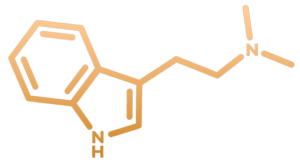
The well-known Tuesday slump is often experienced after using MDMA and is linked to a temporary depletion of serotonin. MDMA consumes a large amount of serotonin at once, causing users to feel lethargic, gloomy, or empty in the days that follow. With ayahuasca, this mechanism is different. Ayahuasca contains DMT, which, while affecting serotonergic systems, does not deplete serotonin in the same way that MDMA does.
Some users may indeed experience a temporary "down" after a deep ayahuasca experience. This is more likely due to emotional release, physical fatigue, or processing intense insights than to a purely neurochemical deficit. Furthermore, a lack of the intense feelings of connectedness experienced during the trip can also arise: a kind of emptiness or longing for the transcendent experience. With ayahuasca, therefore, it seems to be less often a purely physical dip and more of a integration dip.
In summary: ayahuasca generally does not cause the typical Tuesday slump like MDMA, but some users may feel temporarily melancholic or empty. This is primarily due to the intensity of the experience and the inner work that still needs to be processed afterward. Good integration support and aftercare are essential in this regard. For people looking for legal and supervised alternatives such as psiloflora, it is important to be prepared for this.
2
8 May 2025 07:50

The Tuesday slump occurs primarily with substances such as MDMA or similar ones. These substances deplete the body's own reserves of various neurotransmitters, such as serotonin and dopamine. However, with psychedelics like psilocybin, LSD, and ayahuasca, you add substances that resemble those neurotransmitters instead of consuming them. This difference in effect has important implications for the question of whether you can also get a Tuesday slump from ayahuasca.
Ayahuasca is a traditional South American drink consisting primarily of two plants: Banisteriopsis caapi, which contains monoamine oxidase (MAO) inhibitors, and Psychotria viridis, which contains dimethyltryptamine (DMT). DMT is a powerful psychedelic substance that, when taken alone, is rapidly broken down by the body due to MAO. The combination of these two plants in ayahuasca allows DMT to cross the blood-brain barrier and exert its psychoactive effects.
The effects of ayahuasca on the brain are complex and involve various biological processes. When DMT enters the body, it binds to 5-HT2A receptors, which play a crucial role in serotonin metabolism. This can lead to an increased release of serotonin, which in turn can contribute to a feeling of euphoria and connectedness. Unlike MDMA, which depletes serotonin stores, ayahuasca appears to modulate serotonin activity without depleting these stores. significant to consume.
Another important aspect of how ayahuasca works is the role of MAO inhibitors. These inhibitors ensure that DMT is not broken down quickly, causing the effects to last longer. This can lead to deeper introspection and the surfacing of repressed emotions and traumas. The experience can be emotionally intense, but it is not necessarily linked to the depletion of neurotransmitters as is the case with MDMA.
The Tuesday slump, often experienced after MDMA use, is the result of a combination of factors. First, there is the depletion of serotonin and dopamine, both of which are crucial for regulating mood and emotion. Additionally, the disruption of the neurotransmitter balance can lead to feelings of fatigue and gloom. This is a direct consequence of the neurochemical changes that occur after the use of substances that deplete neurotransmitter stores.
See also: Tuesday slump after MDMA use
With ayahuasca, however, users are less likely to experience a Tuesday slump. Although the experience with ayahuasca can be emotionally and psychologically challenging, the effect on neurotransmitter stores is different. Studies have shown that psychedelics such as psilocybin and DMT can promote neurogenesis, meaning they can stimulate the production of new neurons and synapses. In the long term, this can contribute to improved mental health and increased resilience against depressive symptoms.
Conclusion:
Although the Tuesday slump is a common phenomenon following the use of substances such as MDMA, it is unlikely that users of ayahuasca will have the same experience. The unique effect of ayahuasca on neurotransmitter balance, combined with the emotional and psychological benefits of the experience, makes it a potentially valuable tool for mental health. However, it is always important to be cautious and well-informed about the effects of psychedelics, especially in a therapeutic context.
More about ayahuasca:
Also check out the latest news about ayahuasca via our blog.




0
5 February 2026 20:30

I always feel great the week after ayahuasca. I often don't sleep for one night, but after that I sleep like a baby.
-1
7 May 2025 15:34

Ayahuasca doesn't really give you the Tuesday slump. However, I do notice more and more often around me that people experience more anxiety and dissociate after ayahuasca ceremonies.