4 November 2024 14:58
Topic starter
5

What makes psilocybin therapy effective, and what can you do to make psilocybin work even better?
11 Answers
6
18 February 2025 17:35

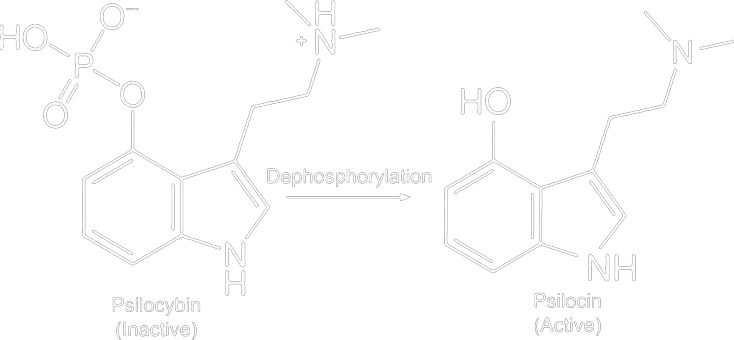
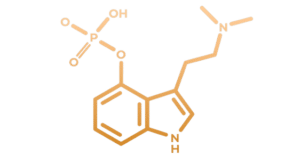
Psilocybin therapy is effective for various reasons, encompassing both physical and psychological aspects. First, psilocybin, the active ingredient in magic mushrooms, is converted in the body into psilocin, which activates serotonin receptors in the brain, particularly the 5HT2a receptors. This activation leads to changes in neurochemistry, such as an increase in the stimulation of serotonergic and TrkB receptors, which can contribute to an improved mood and a reduction in depressive symptoms.
Moreover, it promotes psilocybin after conversion neuroplasticity, which means that it enables the brain to form new connections and strengthen existing ones. This can be particularly beneficial for people suffering from neurodegenerative diseases or mental disorders, as it can help them break old, unhealthy patterns and develop new, healthier ways of thinking and feeling.
The subjective experience of the therapy also plays a crucial role. During a psilocybin session, individuals can explore deeper parts of their psyche, enabling them to address blockages and traumas that would otherwise be difficult to access. This can lead to insights and personal growth, further enhancing the effectiveness of the therapy.
In addition, psilocybin therapy combined with lifestyle coaching and talk therapy, which increases the chance of success. By adopting a holistic approach, integrating nutrition, exercise, and mental health, the positive effects of psilocybin can be enhanced.
The effectiveness of psilocybin therapy can therefore be attributed to the combination of neurochemical changes, neuroplasticity, subjective experiences, and a holistic approach to treatment.
What can you do to make psilocybin work even better?
There are several ways to optimize the effectiveness of psilocybin. Here are some suggestions:
- DosageThe dosage of psilocybin plays a crucial role in the effects you experience. It is important to choose the right dosage based on personal sensitivity. Higher dosages can lead to stronger effects. Generally, psilocybin works best in a range of 25-45 mg.
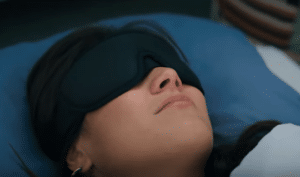
- PreparationPreparing your body and mind for a psilocybin session can improve the experience. This may involve adjusting your diet, getting enough rest, and mentally preparing yourself for the session.
- SupplementsThere are certain supplements and foods you can take to make the receptors for psilocybin more sensitive. This can help create a stronger and more meaningful experience.
- Environmental factorsEnsure a comfortable and safe environment during the session. A quiet and familiar setting can contribute to a positive experience. Our location is specially equipped for psychedelic sessions.
- IntegrationAfter the session, it is important to integrate the experiences. This can be done through reflection, journaling, or conversations with a therapist. It helps to process the insights you have gained and apply them in your daily life. We offer our own clients and others as well. extra group integrations On.
By taking these factors into consideration, you can potentially improve the effectiveness of psilocybin and achieve a deeper, more transformative experience. At Triptherapie, we create personalized, tailored advice to utilize all the previously mentioned factors.
3
18 February 2025 22:42

What makes psilocybin therapy effective?
Psilocybin therapy works by a combination of neurobiological and psychological processes. The effectiveness depends on various factors, including brain plasticity, serotonergic activity, setting and intention.
1. Neurobiological mechanisms
🔹 Increased brain plasticity – Psilocybin stimulates the growth of new neural connections, which helps break ingrained thought patterns.
🔹 Activation of the serotonin 5-HT2A receptor – This increases emotional openness and introspection.
🔹 Reduced activity in the Default Mode Network (DMN) – This brain area is responsible for self-reflection and worrying. By reducing this activity, psilocybin can lead to a deeper state of consciousness and new perspectives.
2. Psychological effects
🧠 Increased introspection – Provides access to deep-seated emotions and traumas.
🌎 Reduced ego control – Helps people break free from rigid thought patterns and increases empathy.
💡 More openness to change – Promotes personal growth and behavioral change.
How can you make psilocybin therapy more effective?
1. The right mindset and intention
✔ Preparation is crucial – Reflect on what you want to achieve.
✔ Set intentions – What do you want to process or understand?
✔ Be open and accept what comes – Don't fight the experience.
2. Optimal setting (environment)
🏡 Safe and quiet space – Ensure a comfortable, stress-free place.
🎵 Music – Special psychedelic playlists can deepen the experience.
👥 Accompaniment - A experienced tripsitter or therapist can help during difficult moments.
3. Integration after the experience
📓 Reflection and journaling – Write down your insights to process them better.
🗣️ Discuss the experience – Share your insights with a therapist or a trusted friend.
🏃♂️ Healthy lifestyle – Exercise, meditation, and good nutrition can enhance the positive effects.
4. Supplements
💊 Supplements Can help improve neurochemistry and maintain the positive effects longer.
🥑 Omega-3 and healthy nutrition support brain plasticity.
🌿 Lion's Mane mushroom – Can enhance nerve cell growth in combination with psilocybin.
Conclusion
Psilocybin therapy works best when supported by the right intention, environment and integration.
2
27 February 2025 11:36

Adding other anti-inflammatory products can help make pailocybin more effective.
2
12 August 2025 12:14

Psilocybin is more potent when an MAO inhibitor is added. Whether it works better than a higher dose of psilocybin is debatable.
2
20 October 2025 13:23

What made psilocybin therapy effective for me was the build-up to the session. How you prepare made a difference to the actual psilocybin session for me. Everything I worked on beforehand fell into place during the session, and because of this, I didn't need active integration. So, focus mainly on the preparation and the session itself.
1
12 July 2025 10:27

Psilocybin is rapidly gaining popularity as a means to expand consciousness, gain personal insights, and possibly even treat psychological ailments. This powerful substance, found in certain mushrooms and truffles, has been used for spiritual and therapeutic purposes for centuries. Modern science is only now truly beginning to understand how psilocybin works – and why it can have such a profound impact on the human brain.
In this comprehensive article, we dive into exactly what psilocybin is, how it works in the brain, what to expect from a trip, the differences between therapeutic and recreational use, the risks, the legal status, and practical tips for safe use.
What is psilocybin?
Psilocybin is a psychoactive substance found in more than 200 species of mushrooms, often referred to as magic mushrooms or psilocybin mushrooms. Truffles—the underground sclerotia of the same fungus—also contain this substance. In the Netherlands, magic mushrooms have been banned since 2008, but truffles are still legally available in smart shops.
After ingestion, psilocybin is converted into psilocin in the body. This substance is responsible for psychedelic effects such as visual hallucinations, an altered sense of time, and a deeper experience of emotions. Psilocin is chemically very similar to serotonin and primarily affects the 5-HT2A receptors in the brain, causing your consciousness to temporarily function differently.
How does psilocybin work in the brain?
Under the influence of psilocybin, the communication between different brain networks changes. The so-called default mode network (DMN), which is linked to self-image and ingrained thought patterns, is temporarily 'shut down'. At the same time, new connections are formed, leading to increased neuroplasticity.
That explains why users often feel like they are breaking out of old patterns, gaining deeper insights, or releasing emotional blockages. Psilocybin induces a state that is neurologically comparable to dreaming or childlike creativity – and it is precisely that which makes it interesting for therapeutic use.
Effects of a psilocybin trip
A psilocybin experience lasts an average of 4 to 6 hours and typically consists of the following phases:
- Attendance (30-60 min): first visual changes, sense of energy shift.
- Peak (1-3 hours): more intense visuals, time distortion, deep introspection or sense of unity.
- Afterglow (3-6 hours): gradual return to normal consciousness, often accompanied by emotional release or insights.
Typical effects:
- Visual hallucinations (wavy patterns, more intense colors)
- Changed perception of time
- Heightened sense of connection or spirituality
- Emotional openness or catharsis
Physical side effects are usually mild: mild nausea, increased heart rate, headache, or fatigue afterwards.
The experience depends heavily on set (your mental state) and setting (the environment in which you trip). A positive mindset and a safe environment increase the chance of a valuable experience. A lack thereof can lead to a bad trip, with fear, confusion or panic.
Psilocybin as therapy: the scientific state of affairs
In recent years, dozens of studies have been conducted worldwide into psilocybin as a treatment for, among others:
- Depression (including treatment-resistant)
- Anxiety disorders in terminal patients
- Addiction problems (alcohol, nicotine)
- Obsessive-compulsive disorder (OCD)
- PTSD
The most impressive results come from studies on depression. In clinical trials, a single high dose of psilocybin, in combination with therapy, shows a rapid and profound reduction in symptoms in a subset of patients. Neurobiologically, this is thought to be related to the “resetting” of negative thought patterns and the opening of emotional processes.
At the same time, caution is advised. Not everyone responds positively; some participants experience anxiety or suicidal thoughts after the session. Psilocybin is not a 'quick fix,' but a tool that only truly comes into its own within a well-supervised process.
Official studies are currently underway in the Netherlands. Outside of a research setting, psilocybin therapy may not yet be offered, although truffles are legally available and guided sessions (outside the medical circuit) take place.
Microdosing: hype or hope?
With microdosing, you take a subperceptual dose of psilocybin (often 0.1 to 0.3 grams of truffles), with the goal of experiencing subtle cognitive or emotional benefits without actually tripping. Users often report:
- More focus and creativity
- Improved mood
- Less stress
However, the first double-blind studies show that the placebo effect plays a major role in this. Microdosing is therefore still far from scientifically proven. Moreover, it is not without risks, especially for those with mental vulnerability or those using antidepressants.
Recreational use: meaningful or risky?
Although psilocybin is rarely used as a party drug, many people consciously choose a recreational trip in nature or at home. They often seek spiritual deepening, inspiration, or self-insight. For many, it remains limited to one or a few experiences.
The risks associated with recreational use are primarily psychological in nature. An overwhelming experience in an unsafe environment can lead to panic or confusion. Important rules of thumb:
- Know your dose
- Ensure a safe, trusted environment
- Let yourself be guided by a sober tripsitter
- Do not mix agents
- Integrate the retrospective experience
Legal status in the Netherlands and the world
In the Netherlands, magic mushrooms are banned, but truffles are legally available in smart shops. Psilocybin and psilocin are on List I of the Opium Act, but truffles are legally exempt from this. Spores and cultivation kits are legally for sale, provided you do not grow mushrooms from them.
International:
- US: Illegal at the federal level, but some states (Oregon, Colorado) have legalized psilocybin for therapeutic use.
- Australia: Psilocybin approved for psychiatric use in treatment-resistant depression.
- Jamaica & Brazil: no specific ban; commercial retreats exist.
The legalization of psilocybin for therapy is an emerging global trend, but for the time being, caution and compliance with local law remain essential.
Tips for safe and responsible use
- Prepare yourself mentally – Formulate an intention and educate yourself.
- Ensure a nice setting – Avoid stimuli, choose peace and safety.
- Start with a low dose – Especially the first time.
- Use a tripsitter – Someone who stays sober by your side.
- Do not use other medications at the same time – Especially no alcohol, cannabis, or stimulants.
- Integrate your experience – Reflect, write, or talk about it.
- Know your limits – Do not use if you are prone to psychosis, have severe heart problems, or in combination with certain medications.
Conclusion
Psilocybin is not a magic miracle cure, but it is a powerful tool that – if used carefully – can make a valuable contribution to personal development, therapy, and finding meaning. The combination of centuries-old traditions and modern science makes this substance fascinating and promising.
Anyone considering using psilocybin would do well to prepare thoroughly, respect legislation, and seek guidance if it is intended for therapeutic purposes. In this way, a psilocybin experience can be not only safe but also deeply transformative.
DisclaimerThis article is for informational purposes only and does not replace medical advice. Psilocybin is a powerful substance and is not suitable for everyone. Always consult a professional for mental health issues. Never use psilocybin without knowledge of contraindications and legislation.
1
21 October 2025 11:59

A good therapist or tripsitter can provide the safety to connect more deeply with yourself and do therapeutic work with you.
1
5 November 2025 12:38

Psilocybin works even better if you feel safe or satisfied during the trip and then engage in exposure therapy. This is often at the end of the session when you become somewhat cognitively clearer again.
1
5 November 2025 13:45

Psilocybin therapy works particularly well due to the combination of neuroplasticity, the reduction of the Default Mode Network, and proper preparation. To make it even more effective, intention is very important: be clear about what you want to process and ensure a safe, quiet environment with an experienced tripsitter. Integration after the session is just as crucial as the session itself—reflect on your insights and work them into your daily life.
Page 1 / 2
next