28 October 2024 14:10
Topic starter
2

Why would you want to microdose with truffles?
3 Answers
3
6 September 2025 11:34

Although the higher doses with truffles, which give you a full trip and therefore work better, there are a lot of people who choose to microdosing with truffles. The most frequently mentioned reasons and benefits cited by people who microdose are:
- Increased serotonin receptor stimulation, which can lead to a decrease in gloominess and depression.
- The ability to temporarily suppress negative feelings, enabling individuals to make changes in their lives.
- Improved creativity and focus, which can help in discovering connections and new insights.
- The support of physical recovery processes through neurogenesis, which means that the brain and nerve cells can repair themselves and form new connections.
- A sense of connection and openness, which can contribute to better social interaction.
- The potential to reduce anxiety, especially in people with conditions such as PTSD, making microdosing a useful first step.
1
6 September 2025 11:37

Microdosing with truffles is a subtle yet effective way to harness the benefits of psilocybin without the intensity of a full psychedelic experience. Within both the practice of Triptherapie On the forum for experts by experience, several clear reasons are mentioned why people choose microdosing.
The main motivation is stimulating the serotonin receptors, which can contribute to reducing depressive feelings, stress, and anxiety. This serotonergic activation closely resembles the effect of traditional antidepressants, but often without the side effects. Moreover, microdosing supports the production of new neural connections (neurogenesis), which can help restore brain functions disrupted by stress, trauma, or burnout.
Another frequently mentioned advantage is the increasing creativity and focus. Users often find that their brain makes connections differently, leading to new insights, problem-solving abilities, and even increased productivity. This is particularly valuable for people in creative professions or those seeking personal growth.
Microdosing with truffles is also often chosen as a stepping stone to a more intense experience, such as a truffle ceremony. It helps to become familiar with the material and to dispel any fears or prejudices.
According to Triptherapie, finding the right dosage is crucial. During a microdose kickstarter, we guided you in finding the so-called "sweet spot": a dose where you experience no visual effects, but do notice the positive mental shifts.
From the forum appears that users employ microdosing for:
-
a better mood and more resilience,
-
reduced social anxiety,
-
a greater sense of connection with others,
-
support for PTSD, ADHD or mood swings,
-
and as a way to let go of old habits or negative patterns.
Please note: Microdosing is not a miracle cure. It works best in combination with healthy lifestyle choices, sufficient rest, and reflection. Experience also shows that the dosage must exceed a certain threshold to be truly effective, as doses that are too low often work no better than a placebo.
Do you want to know if microdosing is right for you? Then you can take the without obligation intake for microdosing or a psilocybin session fill it out. Based on that, you will receive personalized advice.
0
6 September 2025 16:13
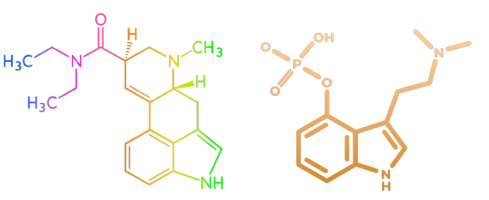
Microdosing involves taking psychedelics in very low doses (usually 5-10% of a normal dose) that do not cause a hallucinogenic trip. Commonly used microdosing agents are LSD and psilocybin (as in “magic” mushrooms or truffles). Despite the absence of a noticeable trip, users report subtle positive effects. Frequently mentioned benefits include a improved mood, more energy, increased creativity and better focus. Some people also use microdosing as a form of self-medication to alleviate psychological complaints or pain. For example, reports have been made of a reduction in feelings of sadness and greater mental balance with microdosing. Furthermore, there are anecdotal reports that microdosing can contribute to creativity and problem-solving ability – users feel freer in their thinking and come up with new ideas faster. Because the dose is so small that a “bad trip” is avoided, microdosers hope to harness the beneficial mental effects of psychedelics without the downsides of an intense hallucinogenic experience. Some even speculate about therapeutic applications: for example, microdosing is occasionally used by individuals for depression, anxiety disorders, or cluster headaches in the hope of relieving symptoms.
Although these benefits are frequently mentioned, experts emphasize that microdosing not a proven form of therapy is. The positive image is largely based on personal experiences and media attention. Nevertheless, people choose to microdose with truffles because of these alleged improvements in well-being, creative thinking, and productivity, combined with the fact that truffles are legally available in the Netherlands.
Scientific and Clinical Evidence
Despite the popularity of microdosing, the scientific evidence for its effectiveness is limited and mixed. Some small-scale studies and surveys show positive results. For example, an open-label experiment in the Netherlands found that participants performed better on creativity tests after a microdose of truffles (average 0.37 g dried) – both their divergent as Convergent thinking improved significantly. This supports the claim that microdosing can increase creative problem-solving ability. Also online questionnaires and observational studies reports indicate that microdosers experience improvements in mood, mental health, and mindfulness after a number of weeks. For example, a 2022 study by the University of British Columbia found that people who microdosed psilocybin reported less anxiety and depression after one month than a non-microdosing control group.
However, researchers warn that these positive findings must be viewed critically. First, many studies are observational or non-placebo-controlled, which expectation effects can play a part. Indeed, it turned out in a large-scale placebo-controlled research (191 participants, self-blinding method) that both the microdosing group and the placebo group showed comparable improvements in mood and mindfulness. This indicates that placebo effects can play a major role in microdosing. Moreover, some double-blind laboratory studies found no evidence for the claimed benefits. A recent randomized study of microdosing with LSD in adults with ADHD, for example, showed that a low LSD dose (20 µg twice a week) was safe but no more effective than placebo in improving ADHD symptoms. Similarly, a double-blind study with psilocybin microdoses reported no significant improvement in well-being, creativity, or cognitive functioning compared to placebo. In some cases, unexpected mild cognitive impairments even occurred in the microdosing group.
It is important that ongoing investigation should provide more clarity in the coming years. Worldwide, several clinical studies are being set up to test microdosing for conditions such as depression and as an aid in therapy. The preliminary conclusion from the current literature is that there are indications of subtle positive effects (particularly on creativity and mood)., but that strong clinical evidence is lacking and results are mixed. Scientists emphasize that more large-scale, controlled studies are needed to determine the extent to which the benefits of microdosing outweigh placebo. Until then, it remains insecure “whether microdosing really works.
Risks and Side Effects of Microdosing
Even though very small quantities are used, Microdosing carries certain risks.. First of all, there can side effects occur, although these are usually mild. Frequently mentioned physical side effects are headache and nausea– for example, because truffles contain the indigestible fiber chitin, which can cause gastrointestinal issues. Some users feel slightly agitated or restless on microdosing days; LSD microdosing in particular can occasionally anxiety or tension to induce reactions in sensitive individuals. Furthermore, microdosing can affect functioning in daily activities: for instance, there is a chance of slightly delayed reaction times, which can make driving or operating machinery unreliable. For this reason, it is advised against participating in traffic on microdosing days until one is certain how subtle the effects are.
Despite the low dosages, remain similar risks as with higher doses present, albeit to a lesser extent. A significant danger is accidentally exceeding the intended microdose. Because it can be difficult to measure the active substance exactly (potency of magic mushrooms/truffles varies, LSD liquid can be unpredictable), there is a risk of taking too much and unexpectedly starts tripping. This can, of course, lead to very undesirable situations, especially if someone is counting on staying sober. Therefore, experts always advise dosing cautiously and starting with the smallest possible quantity.
Another risk is the worsening of underlying psychological problems. People with certain conditions are strongly advised against microdosing without medical supervision. For individuals with, for example, bipolar disorder, (familial) susceptibility to psychosis, or schizophrenia, even a microdose can worsen symptoms or trigger an episode. Self-experimentation with microdosing is also discouraged for severe anxiety disorders, depression, or ADHD. Firstly, because microdosing is not a proven treatment (effective medication could be neglected), and secondly, because unpredictable effects can further disrupt these vulnerable groups. For this reason, the Trimbos Institute emphasizes that microdosing not a substitute for therapy or medication may be. People who take regular medication (such as antidepressants or antipsychotics) should not simply stop taking it to microdose, as abruptly stopping medication can cause dangerous side effects.
In addition, it applies that the long-term risks The effects of frequent microdosing are still unknown. Psychedelics can cause physiological tolerance: with repeated doses in quick succession, the effect diminishes because receptors become less sensitive. This means that a person may be inclined to increase the dose or adjust schedules, which could potentially lead to unforeseen consequences. Therefore, it is recommended to regularly breaks to incorporate (e.g. stopping for a few weeks after 6-8 weeks) to allow tolerance to reset. Microdosing is not physically addictive – psilocybin causes no demonstrable physical dependence – but a psychological habit formation cannot be ruled out. A person might come to believe they need the microdoses to function properly, which could potentially lead to excessive use. In the case of ketamine, there is a clear risk of addiction (see further), and chronic high-frequency use of ketamine can cause severe bladder damage (“ketamine bladder”) – although it is not known whether microdoses carry that risk as well.
In conclusion: although microdosing is considered relatively safe by many, there are certainly risks. Experts recommend a responsible approach: keep doses to a minimum, do not dose too frequently, do not combine with other medications, and be extra careful or avoid it if you have health problems. If in doubt, it is wise to seek medical advice rather than experimenting on your own.
Truffles vs. Magic Mushrooms in Microdosing
Magic truffles (bottom left of the image) next to various types of dried magic mushrooms on the counter of an Amsterdam smartshop (2007). Truffles are sold with indications of strength, but contain the same active substances as magic mushrooms.
What is the difference between truffles and magic mushrooms? In fact, truffles and magic mushrooms are two forms of similar fungi. Magic mushrooms are the above-ground mushrooms of certain Psilocybe species, while “trip truffles” are the sclerotia (underground fungal nodules) are of the same or related fungal species. Both contain the following as the main psychoactive substances psilocybin and psilocin, which are responsible for the psychedelic effect. In other words: chemically speaking, there is no fundamental difference – a truffle of Psilocybe Mexicana contains the same active content as a magic mushroom of Psilocybe Cubensis. Therefore, it can be assumed that microdosing with an equivalent dose of psilocybin produces the same effects, whether from truffles or magic mushrooms.
However, there are a few important practical differences regarding microdosing. First, the potential per unit weight variable. Magic mushrooms can vary greatly in potency depending on the species and cultivation conditions. Truffles from smart shops are often cultivated more consistently, but psilocybin content can also vary between truffle species. In general, truffles have a lower psilocybin content per gram (they are fresh and contain a lot of moisture) than dried magic mushrooms. The guideline from producers is approximately 1 gram of dried magic mushrooms is equivalent to 10 grams of fresh truffles.. A microdose of 0.1 g of dried magic mushrooms is therefore roughly equivalent to 1 g of fresh truffle. This means that microdosing with fresh truffles involves slightly more material in terms of volume, but the final amount of psilocybin ingested is comparable.
A second difference is the dosing accuracy. Because magic mushrooms are illegal worldwide, microdosing is often done with home-grown or obtained dried mushrooms, which are mixed into powder and placed in capsules to accurately measure the minute quantity. However, potency can vary from mushroom to mushroom, meaning each capsule can turn out slightly differently if not properly homogenized. Truffles, on the other hand are sold legally in Dutch smartshops, sometimes even in convenient microdosing portions. Producers claim that their cultivated truffles have very consistent concentrations of psilocybin (approx. 1–2 mg per gram of fresh truffle). As a result, microdosing with truffles is generally simpler and more consistent: for example, one can purchase ready-made portions of 1 gram of truffle, which is considered a safe microdose in which psychedelic effects do not occur. Ease of use and legal availability make truffles a more attractive choice for microdosers in the Netherlands than magic mushrooms.
Finally, there are sensory differences: magic mushrooms are usually consumed dried (or in tea), whereas truffles are often chewed fresh or likewise processed into tea. Truffles have a nutty, earthy flavor and a firm texture; magic mushrooms taste more “mushroom-like”. However, for microdosing (where the quantity is small), this difference is minor. More importantly, at the correct low dosage, both magic mushrooms and truffles do not cause noticeable hallucinations – in both cases, the goal of microdosing is subtle cognitive effects without a trip. In short, apart from their legal status (see below) and dosing practices, truffles and magic mushrooms are largely interchangeable in the context of microdosing.
Legal Status of Truffles and Microdosing
The legal status of psilocybin products varies significantly by country, and this influences which substances people choose for microdosing. In the Netherlands is the law remarkably ambiguous: so-called magic mushrooms (Hallucinogenic mushrooms) have been explicitly banned since 2008, even in fresh form. Magic mushrooms fall under Schedule II of the Opium Act (soft drugs), which means that possession and trade are illegal. This ban applies to all psilocybin-containing mushrooms that grow above ground. However, the law does not prohibit the underground sclerotia. not mentioned. As a result, “magic truffles” fell outside the ban and remained legal for sale. To this day, psilocybin truffles are freely available in Dutch smartshops as legal alternative for magic mushrooms. This unique legal loophole makes the Netherlands one of the few countries where one can legally microdose with natural psilocybin (via truffles). Microdosing itself is not punishable; it is about the substance. An adult may legally buy and use truffles, including in microdoses.
For other popular microdosing products, the situation is different. LSD is illegal in the Netherlands and virtually everywhere in the world (Opium Act List I, a hard drug). Possession of even small amounts of LSD is punishable, regardless of the purpose of use. Therefore, anyone wishing to microdose LSD is entering a legal grey area or illegality – the substance must be obtained through the black market, with all the associated risks. Ketamine falls under the Medicines Act: it is a registered anesthetic/painkiller that doctors and veterinarians may prescribe, but possession or sale without a license is illegal. In practice, this means that recreational (micro)dosing with ketamine without medical supervision is also against the law. Other psychedelics that are sometimes microdosed (such as 1P-LSD, DMT in ayahuasca, etc.) are generally also prohibited or permitted only through ritual exceptions.
International The legal landscape is in flux, but psilocybin remains predominantly prohibited. In almost all countries, “magic mushrooms” are on the list of controlled substances, similar to LSD. Nevertheless, there are recent exceptions: in some regions, psychedelics are tolerated or even legalized for therapy. For instance, the state of Oregon (US) legalized psilocybin in a supervised therapeutic setting as of 2023, and Colorado is working on a similar regulation. Several cities (such as Oakland and Denver in the US) have also placed the possession of natural psychedelics as a lowest priority (decriminalized them). In Australia, psilocybin was approved as a medication for depression in 2023 under strict conditions. Ketamine is an approved medicine for hospital use in various countries (including the US and EU countries) and – in the form of esketamine nasal spray – a registered treatment method for depression. Outside that medical context, ketamine is generally an illegal drug. Microdosing As an act in itself, it is usually not mentioned separately in legislation; it stands or falls with the legality of the substance in question. In summary: anyone wishing to microdose internationally with psilocybin or LSD is breaking the law in most countries, except in special situations or jurisdictions where relaxation of the rules applies. The Netherlands distinguishes itself by the legal availability of truffles, which makes microdosing there more accessible and legally safer than elsewhere.
Practice: Dosage, Frequency and Methods of Use
How do people approach microdosing in practice? There is no universal protocol, but there are guidelines from the user community and literature. microdose is usually defined as approximately 1/5 to 1/20 of a recreational dose – just enough for subtle effects, but not enough to really trip. In the case of psilocybin, this amounts to approximately 0.1 – 0.5 grams of dried mushroom, which corresponds to roughly 0.5 – 3 grams of fresh truffles at a time. In practice, one often starts around 0.1-0.2 g dry (±1 g fresh) as a starting point. For LSD, a typical microdose is approximately 5 to 15 micrograms (by comparison: a full trip dose of LSD is ~100 µg or higher). Ketamine has no established microdosing dose; if used, it involves at most ~5–10 mg orally or nasally, well below the threshold for noticeable high.
Frequency Dosing is an important point of attention due to tolerance build-up. Generally, microdosing is used. two to three times a week and not every day. A well-known schedule is the so-called Fadiman protocol, named after researcher James Fadiman. With this method, you take a microdose on day 1, followed by 2 days without (no dose on days 2 and 3), and repeat this in a cyclical fashion. For example: microdose on Monday, nothing on Tuesday and Wednesday, microdose again on Thursday, etc. This schedule (1 on, 2 off) gives the body time to reduce any tolerance and prevents one from being constantly under the influence. Other users employ a fixed twice a week rhythm (e.g., Monday and Friday). It is important to listen to your own body and take longer breaks if necessary (as mentioned earlier, a reset period every few months). In the longer term, it is often recommended to take a break of at least two weeks after ~6-8 weeks of microdosing to allow the receptors to fully normalize again.
Methods of use differences by substance:
-
Psilocybin truffles are usually freshly chewed or drunk as tea. At microdoses of ~1 gram, the taste and texture are tolerable. Some users dry truffles and grind them into powder to pack them into equal capsules for consistent dosing, but note: in the Netherlands, drying truffles is technically a form of processing that is not legally permitted. Fortunately, fresh truffles are quite stable; they can be stored in the refrigerator for a few weeks, or vacuum-sealed for a longer period. Ready-made versions even exist. microdosing truffle packets (e.g. 6 x 1 gram doses) which are legally available for purchase at smartshops or online. This makes it simple: one takes one portion in the morning on an empty stomach, chews thoroughly (to release the active ingredients), and goes about their day.
-
Magic mushrooms (where used illegally) are usually dried and in capsules Done. Users dry their culture, grind everything into a single batch of powder (to homogenize the potency), and divide this into microcapsules of ~0.1 grams. Such a capsule is then swallowed on the planned day. Making tea from a very small amount of magic mushrooms is also possible, but with microdoses, the quantity is so small that this is less common.
-
LSD microdosing is almost always done with user-broken or diluted doses. Since LSD often comes on paper (blotter), microdosers, for example, cut a quarter or an eighth of a blotter (depending on strength) for a microdose. A more reliable method is to dissolve a known quantity of LSD in a liquid (such as distilled water or alcohol) and accurately measure out drops from it. In this way, one can dose, for example, 10 µg per drop. LSD is preferably taken in the morning because it can have a subtle effect lasting ~8-12 hours and otherwise disrupt sleep. Nowadays, blotters with microdoses are also available.
-
Ketamine Microdosing is less common, but when practiced, it is typically done orally (e.g., in a capsule) or via very light nasal powder sniffs. There is no standard, but some experimenting users take a few milligrams in the morning or every other day. However, due to the risk of tolerance and habituation associated with frequent ketamine use, this is rarer.
Regardless of the method, the following applies: Microdosing must remain sub-perceptual. If someone experiences clear psychoactive sensations (strong visuals, disorientation), the dose is too high and is no longer a microdose. New microdosers are advised to start low and only increase the dose if no effect is noticeable. Many people keep a diary to monitor the subtle changes in mood, concentration, creativity, etc. Because the effects are small, it sometimes takes several weeks for it to become clear whether microdosing is having a positive effect on them or not.
Comparison with Other Microdosing Substances (LSD, Ketamine)
Microdosing has become popular, especially for classic psychedelics such as psilocybin and LSD. Ketamine is also increasingly appearing in this context. Below is a comparison of psilocybin truffles versus LSD and ketamine in their microdosing use:
| Feature | Psilocybin (truffles) | LSD | Ketamine |
|---|---|---|---|
| Operating class | Classic psychedelic (5-HT 2A agonist) – causes a hallucinogenic trip at high doses. | Classic psychedelic (ergoline) with a receptor profile similar to psilocybin. | Dissociative anesthetic (NMDA antagonist) – completely different mechanism of action, causes out-of-body effects at high doses. |
| Typical microdose | ~0.5–1 g fresh truffle (≈0.1 g dry) per dose. | ~10 µg LSD (1/10 blotter) per dose. | No standard; ~5–15 mg oral/nasal (very low dose compared to recreational use). |
| Duration of effect | Approx. 4–6 hours of subtle effects (versus 4–7 hour trip at high dose). | Duration: ~8–12 hours of subtle effects (LSD is longer-lasting, a trip lasts 10+ hours). | In short: 1–3 hours mild effect at low doses (ketamine works intensely at high doses for <1 hour). |
| Reporting benefits | Improved mood, creativity, focus, emotional balance. Sometimes more connection and openness. | Similar: improved mood, inspiration, productivity. Slightly more stimulation; some feel more alert and energetic. | Primarily improvement in mood/anxiety reduction. Low doses of ketamine may have an antidepressant effect in some people. No strong evidence of increased creativity or focus. |
| Side effects (micro) | Mild headache, stomach upset (nausea). Hardly any cognitive impairment; with 1 g of truffle no hallucinations. | May cause mild restlessness or anxiety. Also insomnia Possible if taken too late (long duration of action). Usually no nausea. | With microdoses, usually little immediately noticeable; possible drowsiness or mild dizziness. Cumulative: Frequent use can lead to memory and concentration problems. |
| Risks | Unknown long-term effect. Risk of a trip in case of overdose. Not physically addictive. Caution in case of psychological vulnerability. | Unknown long-term effect (possible heart valve strain with very long-term use has been suggested due to 5-HT2B agonism). Risk of tolerance and cross-tolerance with psilocybin. Not addictive either, but illegal. | Risk of addiction: ketamine can be mentally addictive; notorious for bladder and kidney problems with regular high doses. With microdosing, that high-harm threshold is not reached, but no investigation towards chronic microuse. |
| Legal status (NL) | Legal – truffles not mentioned in the Opium Act, freely for sale in smartshops. | Illegal – LSD is on Schedule I (a prohibited hard drug). Possession of microdoses of LSD is punishable. | Partially legal – Ketamine falls under the Medicines Act; it may only be used with a doctor's prescription. Otherwise, possession/sale. illegal. |
| Comments | Truffles are natural products, somewhat variable in strength. Chew well or consume as a tea for better absorption. Legal availability makes them accessible. | Very potent synthetic agent; dosage must be precise (small margin between micro- and threshold dose). Long duration of action may affect daily routine. | It is used in higher doses in a medical setting for treatment-resistant depression (IV or nasal spray). Microdosing with ketamine has been studied less; not recommended without medical supervision. |
Conclusion: Psilocybin truffles and LSD show many similarities in the microdosing experience – both aim to stimulate mood improvement, creativity, and focus via the same receptors. LSD is more potent per volume and lasts longer, whereas truffles are legal and natural but slightly more variable in composition. Ketamine distinguishes itself strongly in terms of effects and risk profile: although it is used by a few in microdosing for mood purposes, the science in this area is still in its infancy. Moreover, microdosing ketamine carries the risk of an illegal, potentially addictive habit, whereas LSD/psilocybin do not carry that physical addiction risk. Ultimately, most microdosers choose psilocybin or LSD due to the abundance of positive anecdotes and the (cautiously) growing scientific research surrounding these substances – whereas ketamine microdosing remains a rarity for the time being, emerging primarily as potential in clinical research (for example, in the form of low-dose ketamine treatments for depression).
Important: Microdosing, whether with truffles, LSD, or something else, should be approached with respect and caution. The motivation for many—improvement of well-being and functioning—must be weighed against the uncertainty regarding long-term effects and legality. For the time being, the message from the scientific community is that there possible positive effects are, but definitive evidence is lacking and one must remain alert to risks. By using reliable sources, common sense, and preferably consulting a professional, someone who nevertheless decides to microdose can do so as safely and responsibly as possible.
Sources: The information in this overview is based on recent scientific publications.