14 December 2023 23:13
Topic starter
1

Are truffles drugs?
Yes, magic truffles are drugs. The culinary black truffle is not a drug, although it can be more addictive due to its good taste. The well-known magic truffles fall under the category of psychedelic drugs. Psychedelic drugs are in a class of their own when it comes to therapeutic potential, and we would like to see the psilocybin-containing truffle recognized as a medicine.
Figures on the harmfulness of truffles and magic mushrooms
There have been almost no fatal cases associated with the solitary use of magic mushrooms or truffles. If we just blame magic mushrooms or truffles for a moment, without considering interactions with medication, the average mortality due to psilocybin-related use comes out at less than 1 per year. To put this into perspective, the figures are approximately 20,000 deaths per year for smoking, around 2,000 for alcohol, 50 for cocaine, 30 for ecstasy/amphetamine, and 200,000 for medication!
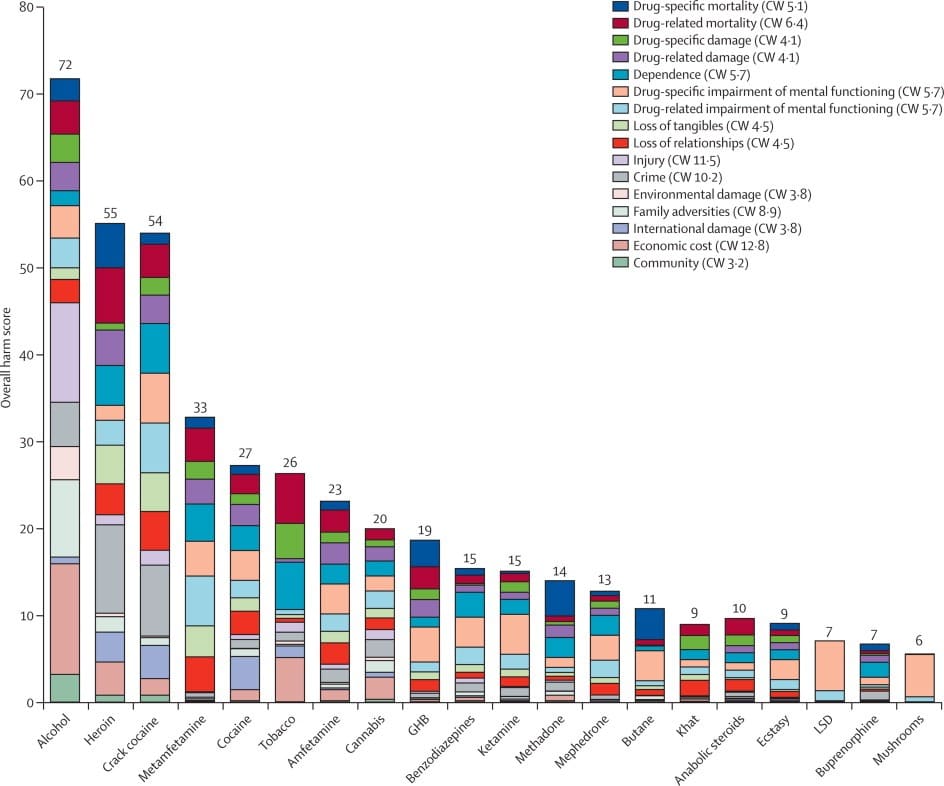
Truffles and magic mushrooms are not addictive
Magic mushrooms are not physically addictive. Furthermore, tolerance develops, meaning eating more does not work. Even using large amounts of mushrooms day after day does not work. You can only have a good trip once a week, and it is better to wait two weeks. The risk of physical harm to reasonably healthy people, taking medication into account, is virtually zero. The theoretical lethal dose is 1,000 times higher than the effective dose. Converted to magic mushrooms, that is 10 kg of mushrooms. That is what an average person consumes in four days.
Truffles as therapy
2 Answers
1
1 May 2025 15:53

Yes, Truffles are officially classified as 'drugs'', but in a therapeutic context — such as with Triptherapie — we prefer to speak of psychedelics with medicinal properties. They are legal in the Netherlands and contain the active ingredient psilocybin, which is converted in the body into psilocin.
Biochemically, psilocin strongly resembles serotonin, a naturally occurring neurotransmitter involved in mood, satisfaction, sleep, and appetite. Psilocin mimics serotonin because it is virtually identical in terms of molecular structure. As a result, it can bind to the same serotonin receptors, in particular the 5-HT2A receptors in the cerebral cortex.
This binding to the 5-HT2A receptor leads to a series of changes in brain activity:
-
Increased neuroplasticity – the brain temporarily becomes more flexible in its connections, which can help break negative thought patterns such as those associated with depression.
-
Reduced activity of the Default Mode Network (DMN) – this network is involved in worrying and ruminating. The decrease in DMN activity is often experienced as "ego loss," causing one to feel more connected to the greater whole.
-
Increased awareness of the subconscious – blockages, emotions, and memories come to the surface more easily, which can yield deep therapeutic insights.
The result for the individual is altered perception, intense introspection, heightened emotions, and often feelings of unity or meaning. This state of consciousness can, under guidance, be used to process trauma, anxiety, and depressive symptoms.
So, technically speaking, truffles are drugs, but according to international rankings belong to the safest means in terms of toxicity, addiction potential, and long-term effects. They are therefore increasingly being used as therapeutic aid for mental health problems.
You can read more about therapy: truffle therapy with magic truffles.
1
7 March 2026 20:22

Although the law currently still classifies them as recreational drugs, a massive shift is taking place in the medical world. The line between "drug" and "medicine" is beginning to blur.
Here is the reasoning behind why magic truffles (and the active ingredient psilocybin) are increasingly seen as the psychiatric medication of the future:
1. The shift from 'Recreational' to 'Therapeutic''
In science, people prefer not to speak about drugs, but about psychedelic therapy. Instead of suppressing symptoms (which many traditional antidepressants do), psilocybin is used to "reset" the underlying patterns in the brain.
-
Neuroplasticity: Research shows that psilocybin stimulates the formation of new connections between brain cells. This helps patients break free from ingrained negative thought patterns.
-
The 'Default Mode Network' (DMN): This network in your brain is often overactive in people with depression (the "worry center"). Psilocybin temporarily calms this network, creating space for new insights.
- Lowering inflammation levels
- A neurochemical shift in the balance of neurotransmitters
- The amygdala becoming less active
2. Ongoing clinical trials
High-level research is being conducted worldwide (including by institutes such as Johns Hopkins University and the Dutch UMC Utrecht) to the effectiveness in specific conditions:
-
Treatment-resistant depression: For people for whom regular medication does not work, clinical studies often show spectacular results after just one or two sessions.
-
PTSD and trauma: It helps patients process traumatic memories without the overwhelming fear that normally accompanies it.
-
End-of-life anxiety: In terminally ill patients, psilocybin is successfully used to reduce the existential fear of death.
3. The future: From Smartshop to Pharmacy?
It is expected that psilocybin will become an officially registered medicine in the foreseeable future. This will probably not mean that you can simply pick it up at the drugstore, but that it will be a supervised treatment is becoming.
| Aspect | Current status (Truffles) | Future status (Medicine) |
| Access | Freely available in smartshops. | Only on prescription/under medical supervision. |
| Application | Recreational or self-medication. | Part of psychotherapy. |
| Quality | Natural product (varying strength). | Precisely dosed, pharmaceutical psilocybin. |
Conclusion
Although society still often labels them as "drugs" due to their history and effects, everything indicates that we are on the eve of a medical revolution. For many researchers, truffles are not means to escape reality, but rather means to restore mental health.
Would you like me to go into more detail about exactly what a therapeutic session with psilocybin looks like?