1 March 2024 22:24
Topic starter
3

What are truffle ceremony experiences?
Truffle ceremony experiences are diverse and differ per participant. The effects of truffles are influenced by various factors, such as dosage, preparation, set (mood), and setting (environment).
Some common experiences during a truffle ceremony:
- Enhanced sensory perceptions: Colors, sounds, and textures can be experienced more intensely and vividly.
- Change in perception of time: Time can seem to go faster or slower.
- Introspection: You can gain deep insights into your own emotions, thoughts, and patterns.
- Emotional release: You may experience emotions that you normally suppress, such as sadness, fear, or anger.
- Spiritual experiences: You can feel more connected to nature, the universe, or a higher power.
- Mystical experiences: You may experience visions or other paranormal phenomena.
After the truffle ceremony:
- The effects of the truffles are gradually wearing off.
- You may feel more open, creative, and empathetic.
- You can have a new perspective on your life.
Overview of experiences: Truffle ceremony experiences and reviews of truffle therapy
Information about truffle ceremonies: Truffle ceremony
3 Answers
3
21 April 2025 14:50

Truffle ceremony experiences are extremely diverse and are strongly influenced by your personal situation, intention, preparation, and the chosen dosage of truffles. Nevertheless, there are some recurring themes that are recognizable to many participants. On the page with truffle ceremony experiences You will find more than 200 personal reviews that together give a good picture of what you can expect.
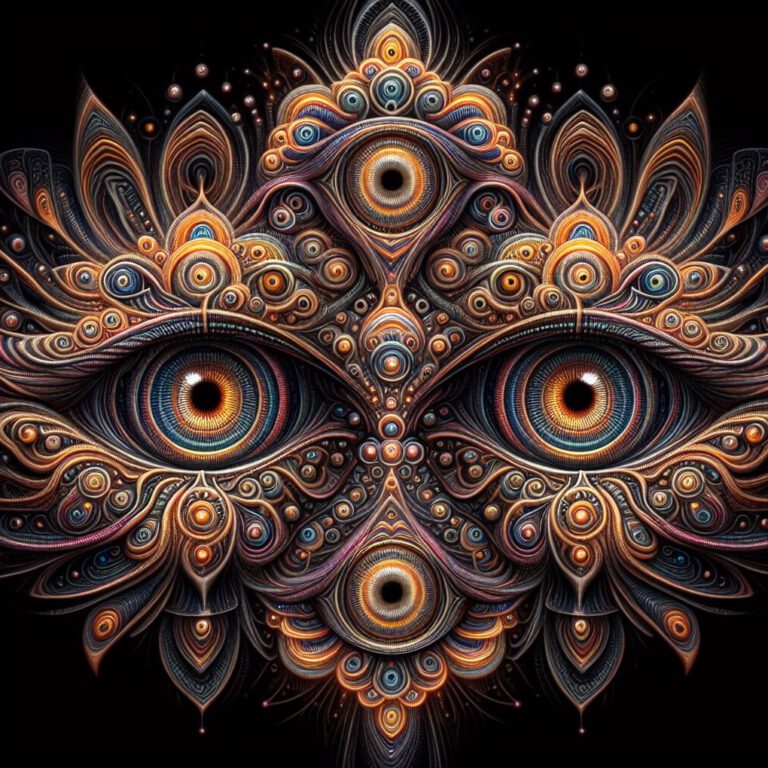
A common start of a truffle ceremony is a phase of physical sensations such as warmth, cold, nausea, or tingling. Subsequently, visual effects increase: colors become more intense, objects seem to breathe, and with closed eyes, you often see geometric patterns. After about 75 to 90 minutes, the peak phase of the trip usually begins, in which the ego temporarily fades, time seems to stand still, and deep introspection arises. This is often described as a journey into the subconscious.
Experiences range from reliving old memories to meeting symbolic figures or entities, experiencing spiritual connection, or even mystical feelings of oneness with the universe. The detailed explanation of the truffle trip Describes this process in detail and emphasizes how important it is to surrender to the experience rather than steer it.
Participants often share how, during the ceremony, they were able to process intense emotions, release traumas, or gain clear insight into destructive patterns, for example. Some even call it the most meaningful experience of their lives. Group ceremonies are often experienced as connecting, while individual sessions offer more space for personal depth.
Would you like to experience for yourself what a truffle ceremony can mean for you? Then you can via the intake for truffle therapy discover if you are suitable and which type of session best fits your goals. This way, your experience is optimally tailored to what you are looking for — whether that is healing, insight, or spiritual deepening.
2
21 April 2025 14:48
A truffle ceremony begins with careful preparation, during which the facilitator welcomes the participants and creates a safe, relaxed atmosphere. This often takes place in a room that is warmly and homelike furnished, with soft cushions, blankets, and subdued lighting. During the introduction, the facilitator explains what to expect, discusses the dosage of the truffles, and reviews the safety guidelines. Afterward, the facilitator invites everyone to formulate a personal intention: what do you want to work on, or what questions or themes do you wish to explore? This intention can be very simple, such as releasing stress or seeking creative inspiration, but it can also be deeper, such as processing old emotional patterns.
Once the intentions have been set, you ingest the truffles. The dosage varies depending on individual experience and the intended goal, but is typically between five and fifteen grams of fresh truffles. After ingestion, you will notice the first effects within approximately thirty to sixty minutes: a warm sensation spreads through the body, sometimes accompanied by mild nausea. Your perception soon changes: colors become more intense, sounds may penetrate deeper, and you may experience patterns behind your closed eyes. Time seems to slow down or even fade, and many people feel a gentle shift in their consciousness.
In the deepest phase of the ceremony, which usually lasts between one and three hours, you truly embark on an inner journey. Images and thoughts surface that sometimes feel surprisingly clear and meaningful, as if a film of your own is playing in your mind. Music, carefully selected by the facilitator, enhances this experience and can trigger a great emotional release. It is not uncommon for participants to be confronted with old memories or deeply rooted beliefs. The facilitator remains present to offer support, answer questions, and assist you with compassionate guidance when emotions become intense.
As the peak subsides, the atmosphere becomes quieter and calmer. Space opens up for silence, in which you can integrate what you have experienced. Later, a conversation with the group often follows, in which you can share what you have seen, felt, and learned. This exchange creates a sense of connection with the other participants and helps to articulate your insights clearly. Some pick up a journal or sketch paper to record their discoveries, while others choose to listen to specific music that further deepens the experience.
After the ceremony, attention is given to aftercare and integration. Some facilitators schedule a follow-up session a few days or weeks later to discuss how the insights gained are impacting daily life. Practical tools are provided during these sessions, such as meditation exercises, breathwork, or writing exercises, to make the transformation sustainable. Through this integration, you can reap the benefits of your inner journey and anchor the positive changes.
The experiences during a truffle ceremony are very diverse. Many participants report seeing through old patterns and developing more self-compassion. Emotional release occurs regularly: some people cry, others laugh or experience brief moments of intense happiness. Creative impulses may surface in the form of new ideas for art, music, or other projects. Physically, you may sometimes feel a slight tingling in your body or, conversely, a sense of weightlessness. All these experiences contribute to a greater sense of connection with yourself, others, and nature.
A truffle ceremony can be a profound, transformative experience, provided you participate under the guidance of an experienced and responsible facilitator. It is important to be well-informed about contraindications, such as existing psychological vulnerabilities or medical conditions, and to schedule sufficient time for rest immediately after the ceremony. In this way, you can embark on the journey to inner insights and healing in a safe and respectful manner.
2
16 March 2026 20:34

People participating in a psychedelic session or truffle ceremony often describe the experience as developing in distinct phases. Although every experience is unique, strikingly similar patterns can be recognized in many accounts. These phases have both a physical and a psychological component and are strongly influenced by the environment, preparation, and guidance.
Below is an overview of the phases most frequently reported during a psychedelic session with psilocybin.
The run-in phase: from tension to an altered body perception
The first phase usually begins about thirty to sixty minutes after ingesting truffles. Many participants describe this period as a transitional phase in which the body and mind adjust to the effects of psilocybin.
In the beginning, there is often a slight tension. This is logical, because it is an unfamiliar experience for many people and control is temporarily loosened. At the same time, subtle physical sensations are already emerging.
Many people experience a warm or tingling sensation in the body. This is often described as a body high, where the abdomen feels warm and the limbs begin to tingle slightly. Some may yawn frequently or feel a light energy flowing through the body.
In addition to these physical changes, the first visual effects are also beginning to become visible. Colors may appear more intense, and objects sometimes seem to move or breathe subtly. These are early signs that psilocybin is starting to become active in the brain.
The confrontation phase: working with resistance
After the first phase, a period may arise in which the experience becomes more intense. This is often the moment when the ego tries to maintain control. In neuroscience, this is often linked to the Default Mode Network, the brain network responsible for our self-image and our inner dialogue.
During this phase, resistance may arise. Some people experience mild nausea or begin to shiver. In a ceremonial context, this is sometimes called a purge mentioned. Although it can be physically uncomfortable, it is often seen as a way for tension or stress to leave the body.
This phase can also be emotionally challenging. Suppressed emotions such as fear, sadness, or old memories may surface. For many participants, this is the moment when the real therapeutic processes begin.
Experienced counselors often emphasize that it is important not to suppress these feelings. By allowing them, space can be created for processing and insight.
The peak experience: insights and connection
When resistance slowly diminishes, the experience often reaches a deeper phase. This is often called the peak experience named.
In this phase, people frequently report symbolic or introspective experiences. Some describe traveling through memories from their past or reconnecting with their inner child. This often does not feel like an ordinary memory, but rather a direct experience in which emotions can be felt and processed anew.
In addition, a sense of connectedness is common. For example, people experience a stronger connection with nature, other people, or life itself. In research, these types of experiences are often referred to as mystical or transcendent experiences.
Studies show that precisely these moments of deep connection and insight are often associated with long-lasting positive changes in well-being.
The landing and the afterglow
After about four to six hours, the effects begin to gradually diminish. This phase is often called the landing.
Many participants describe the world as looking fresher or brighter at that moment. The intense effects fade slowly, but a sense of calm and clarity often remains.
A striking effect that is often mentioned is mental silence. The constant stream of worrying thoughts seems to temporarily disappear. People sometimes experience this as a mental reset.
In addition, a feeling of gratitude occurs regularly. Some people feel more compassion for themselves or experience a renewed appreciation for their lives and relationships.
This period, which can sometimes last for hours or even days, is often called the afterglow named.
Why the setting is so important
Both research and anecdotal reports show that the context in which a psychedelic session takes place has a tremendous influence on the experience. This is often summarized by the term set and setting.
The set refers to the mental state of the participant, while the setting describes the environment and guidance.
A number of factors turn out to be particularly important.
Music as an emotional guide
Music plays an important role during many psychedelic sessions. Music can amplify emotions and help people move through different phases of the experience. It acts as a kind of emotional guide that supports the journey.
Safety through guidance
The presence of experienced guides creates a sense of safety. When someone knows that support is available, it often becomes easier to surrender to the experience.
Should anxiety or panic arise, a caregiver can help through, for example, breathing exercises or reassurance.
The power of shared experience
In group ceremonies, the presence of others also plays a role. Even when participants are primarily undertaking a personal inner journey, the feeling that others are going through the same process can provide a sense of connection.
For people struggling with feelings of isolation or loneliness, this can be particularly healing.
Why people experience it as intensive therapy
Many participants describe a psychedelic session as a process in which a lot happens in a short time. It is not uncommon for people to describe it as the equivalent of years of therapy condensed into a single experience.
This does not mean that psychedelics are a miracle cure. The insights gained during a session often still need to be integrated into daily life.
But precisely because psychedelics make emotions, memories, and thought patterns directly accessible, the process of self-insight and processing can sometimes proceed much faster than with traditional methods.
For many people, a well-guided psychedelic experience therefore constitutes a powerful step towards greater self-understanding, emotional freedom, and personal growth.