2 March 2024 12:31
Topic starter
0

Which medications interact with MDMA that are dangerous?
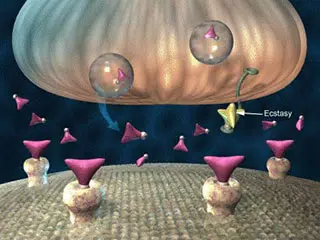
MDMA and MDMA analogues increase the available amount of neurotransmitters classified as monoamines. It also increases the concentration of freely available neuropeptides. This increase in substances can interact with medications. This is only a portion of possible interactions. Another potential interaction with medications arises from the fact that the enzyme CYP2D6 is primarily used to metabolize MDMA. Any medications that require this same enzyme may become more potent and potentially pose a problem.
Below is a selection of medications that may be dangerous in combination with MDMA due to the CYP2D6 enzyme, and therefore combining the medications listed below with MDMA is advised against:
Antidepressants:
- Amitriptyline
- Bupropion (Wellbutrin)
- Clomipramine
- Duloxetine
- Fluoxetine (Prozac)
- Imipramine
- Nortriptyline
- Paroxetine (Seroxat)
- Venlafaxine
Antipsychotics:
- Aripiprazole
- Haloperidol
- Propranolol
- Olanzapine
- Risperidone
Beta-blockers:
- Carvedilol
- Metoprolol
- Propranolol
- Timolol
Anti-HIV medication:
- Delavirdine (Rescriptor)
- Didanosine (Videx)
- Efavirenz (Sustiva)
- Emtricitabine (Emtriva)
- Maraviroc (Selzentry)
- Nevirapine (Viramune)
- Raltegravir (Isentress)
- Zalcitabine (HIV)
Other:
- Codeine
- Cimetidine (Tagamet)
- Dextromethorphan
- Flecainide
- Tamoxifen
- Tramadol
See also the following information for more contraindications: MDMA effects
1 Answer
1
18 July 2025 18:27

Combining MDMA (and its analogues) with certain medications can cause dangerous interactions. This is primarily because MDMA significantly increases the levels of monoamines (such as serotonin, dopamine, and norepinephrine) in the brain, along with freely available neuropeptides. This increase can conflict with medications that act on the same systems or depend on the same breakdown pathways in the body, such as the liver enzyme CYP2D6.
Why this is important:
MDMA is primarily metabolized via the enzyme CYP2D6. If you take medications that also use this enzyme, the breakdown of both the medication and MDMA can be slowed down. This leads to elevated blood levels, a stronger effect, and a greater risk of side effects such as overheating, serotonin syndrome, cardiac arrhythmias, or even neurotoxicity.
Below is an overview of medications whose use in combination with MDMA is advised against:
Antidepressants (especially TCA, SNRI, SSRI):
- Amitriptyline
- Bupropion (Wellbutrin)
- Clomipramine
- Duloxetine
- Fluoxetine (Prozac)
- Imipramine
- Nortriptyline
- Paroxetine (Seroxat)
- Venlafaxine
Antipsychotics and mood stabilizers:
- Aripiprazole
- Haloperidol
- Olanzapine
- Risperidone
- Propranolol (also has a beta-blocker effect)
Beta-blockers (cardiovascular risk):
- Carvedilol
- Metoprolol
- Propranolol
- Timolol
Anti-HIV medication:
- Delavirdine (Rescriptor)
- Didanosine (Videx)
- Efavirenz (Sustiva)
- Emtricitabine (Emtriva)
- Maraviroc (Selzentry)
- Nevirapine (Viramune)
- Raltegravir (Isentress)
- Zalcitabine (HIV)
Other medicines with a risk of interaction via CYP2D6 or serotonergic action:
- Codeine
- Tramadol
- Dextromethorphan
- Cimetidine (Tagamet)
- Flecainide
- Tamoxifen
This list is not exhaustive, but it is representative of the most risky combinations. Please note: even a low dose of these medications can be problematic in combination with MDMA. The risks are greatest for serotonin syndrome, cardiac arrhythmias, and high blood pressure, but psychosis or dissociation can also occur with antipsychotics.