5 May 2024 18:44
Topic starter
2

Are there dangerous interactions between Caapi (from psilohuasca or ayahuasca) and meat or fish?
2 Answers
1
9 August 2025 14:24

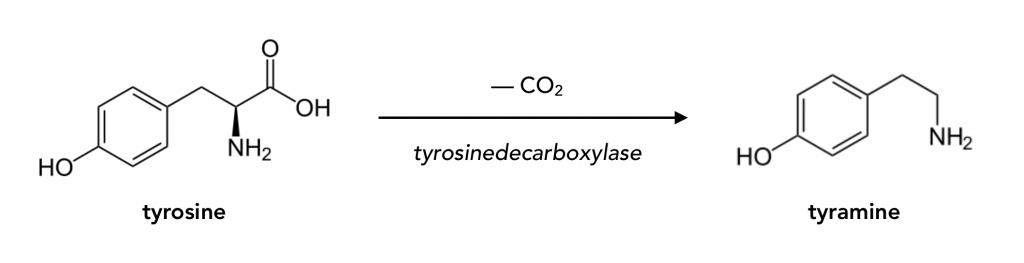
Yes, dangerous interactions can occur between Caapi (the MAO inhibitor in psilohuasca and ayahuasca) and certain foods, including meat and fish. Caapi contains MAO inhibitors, which limit the activity of certain enzymes such as MAO (monoamine oxidase) in the body. These enzymes are responsible for the breakdown of tyramine, a substance that occurs naturally in certain foods.
Consuming foods high in tyramine while using an MAO inhibitor such as Caapi can lead to increased blood pressure and potentially life-threatening reactions. Meat and fish, especially if raw, smoked, or fermented, can have high tyramine levels and should therefore be avoided before using Caapi.
It is important to a special tyramine-restricted diet to follow in the days leading up to the use of psilohuasca or ayahuasca, avoiding foods high in tyramine. This diet also restricts the intake of other foods and drinks containing tyramine, such as cheese, red wine, beer, and fermented foods.
More about: Tyramine diet for ayahuasca and psilohuasca
2
9 August 2025 08:48

Yes. Caapi (Banisteriopsis caapi) contains harmala alkaloids, including harmine, harmaline, and tetrahydroharmine. These substances act as reversible MAO-A inhibitors (RIMAs). The enzyme MAO-A normally breaks down certain amines in food, including tyramine. When MAO-A is temporarily inhibited, a high intake of tyramine can lead to a hypertensive response: a sudden, sharp rise in blood pressure, headache, and palpitations.
1. Which types of meat/fish are risky?
The danger lies primarily in meat or fish that contains high levels of tyramine due to ripening, fermentation, or salting. Examples include:
-
Fermented meats, such as salami and pepperoni.
-
Aged meat, such as prosciutto and Serrano ham.
-
Salted or dried fish, such as stockfish, salted herring, and caviar.
-
Raw cured products, such as certain sushi tuna or ceviche that has been marinated for a long time.
2. Is fresh meat or fish safe?
-
Fresh meat or fish that is prepared immediately (for example, chicken breast or salmon from the same day) generally contains very little tyramine and poses a low risk in practice.
-
However, many facilitators advise avoiding all meat and fish 1 to 3 days before caapi, sometimes even a week, to rule out any risk.
-
Traditional ayahuasca diets are often completely plant-based in the days before and after a ceremony, to promote both physical and emotional clarity.
3. Possible symptoms of a tyramine reaction
-
Sudden, severe headache (often in the back of the head).
-
Pounding heart and a sharp rise in blood pressure.
-
Excessive sweating and nausea.
-
In rare cases: risk of stroke or heart problems.
Conclusion
-
High risk: old, fermented, aged, salted, or dried meat and fish — avoid.
-
Low risk: freshly prepared meat and fish — usually safe, but better to avoid to be sure.
-
Safest: 100% plant-based diet in the days before and after psilohuasca or ayahuasca with caapi.
Avoid these products:
Here is an overview of food items that tyramine can contain, arranged in categories and numbered. This is useful when using MAO-A inhibitors such as caapi from psilohuasca or ayahuasca. The older, more fermented, or less fresh a product is, the higher the tyramine content usually is.
1. Fermented and aged meat
-
Salami
-
Pepperoni
-
Chorizo
-
Serrano ham
-
Prosciutto
-
Dry sausage
-
Pastrami
-
Corned beef
2. Fermented and salted fish
-
Stockfish (dried cod)
-
Fermented fish such as surströmming
-
Salted herring
-
Caviar
-
Dried anchovies
-
Canned fish that has been preserved for a long time (tuna, mackerel, sardines)
3. Aged and matured cheeses
-
Parmesan cheese
-
Gouda cheese (aged)
-
Cheddar (old)
-
Roquefort
-
Brie (aged)
-
Camembert (aged)
-
Gorgonzola
-
Stilton
4. Fermented soy products
-
Soy sauce
-
Tamari
-
Miso
-
Tempeh
-
Natto
5. Alcoholic beverages (especially aged or fermented)
-
Red wine
-
Sherry
-
Port
-
Vermouth
-
Draft beer (especially unpasteurized)
-
Craft beer that ferments for a long time
-
Champagne
6. Other fermented or aged products
-
Sauerkraut
-
Kimchi
-
Fermented pickles
-
Olives (long fermented)
-
Marmite and other yeast extracts
7. Overripe fruit
-
Bananas with brown spots
-
Avocados that are overripe
-
Figs (dried or overripe fresh)
-
Papayas that are overripe
8. Nuts and seeds
-
Walnuts (stored for a long time or stale)
-
Peanuts (old or moldy)
-
Cashew nuts (old or stored in a damp place)
9. Other products that may contain tyramine
-
Chocolate (especially dark and long-term)
-
Energy drinks with yeast extract
-
Yeast dough that has risen for a long time (such as sourdough bread)