
Topic starter
Most scientific studies on psychedelics combine the use of LSD or psilocybin with psychotherapy. In such studies, participants receive multiple preparatory sessions, a guided session, and subsequent integration sessions. This provides valuable insights but also raises the question: is psychotherapy always necessary to benefit from an LSD experience? New research shows that this is not necessarily the case. LSD can have a powerful effect on anxiety and other psychological issues on its own, provided it takes place in a safe setting. Guidance during the session remains highly recommended.
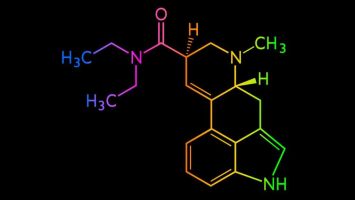
The scientific basis
A large phase 2b study published in JAMA investigated the effects of a single dose of MM120 (a pharmaceutical form of LSD) in people with generalized anxiety disorder. What makes this study unique is that no psychotherapy was added during the sessions. The participants therefore received only the substance in a controlled, supervised setting, but without therapeutic interventions. Nevertheless, the research showed that the 100-microgram dose in particular led to a clear and long-lasting reduction in anxiety symptoms. Even twelve weeks after the session, the effects were still noticeable in a large proportion of the participants. This suggests that LSD itself, without a psychotherapeutic framework, can induce powerful changes that are relevant to the treatment of anxiety.
What makes LSD effective without therapy?
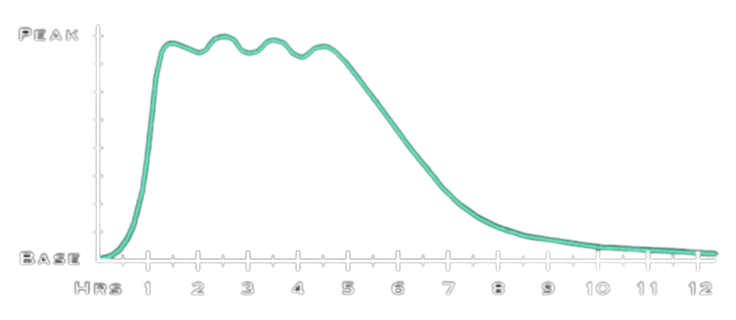
The mechanism of action of LSD is deeply rooted in neurobiology. LSD activates the 5-HT2A receptors in the cerebral cortex, creating a wave of glutamate activity and triggering processes of neuroplasticity. As a result, the brain enters a more flexible state in which old thought patterns can be released and new connections formed. Additionally, LSD alters communication between brain networks, including the default mode network and the amygdala. This can lead to less rigid self-reference, fewer automatic fear responses, and greater openness to new perspectives. These processes occur largely independently of psychotherapy and stem from the pharmacological action of the substance itself.
The effects of LSD | BDNF increase | mTOR signal route | Inflammation reduction | Cell rejuvenation
The role of guidance
The fact that LSD can be effective even without therapy does not mean that one must do it alone or without guidance. A lot can happen during an LSD session: visual changes, intense emotions, profound insights, but also temporary fear or confusion. An experienced facilitator can ensure safety, calm, and support if the experience becomes overwhelming. Moreover, good preparation and a calm environment can make the difference between a healing and an unsettling experience. Guidance is therefore not a luxury, but an important prerequisite for a safe and meaningful process.
The Triptherapie therapists and trip guides
Integration after the experience
Even though the study shows that therapy is not necessarily required to experience a positive effect, integration after the session remains important. By discussing what you have experienced, anchoring insights, and implementing changes in your daily life, the likelihood that the positive effects will be lasting increases. This does not always have to be done with a psychotherapist; coaching, self-reflection, writing, or conversations with trusted individuals can also be valuable.
Conclusion
The idea that LSD is only effective within a therapeutic framework is increasingly being challenged. New research shows that the substance itself, in the right dose and setting, can already lead to substantial improvement in anxiety symptoms. Psychotherapy is therefore not always necessary, but guidance during the session and support with integration remain strongly recommended. In this way, the experience can be safe, meaningful, and effective, even without formal therapy.
Posted : 16 September 2025 12:13