
Topic starter
Anti-depression diet?
Depression can have various and multiple causes. Poor nutrition combined with psychological stress is the cause in most cases. Addressing psychological stress through diet works to a certain extent, especially if the stress stems from subconscious anxiety. To fully address subconscious anxiety, we provide assistance in the form of trip therapy. Nutrition addresses the root cause, allowing depression to be combated more effectively and, in some cases, to be completely cured. If the diet is right, the neurotransmitters in the brain will restore balance, providing a foundation for more positive thoughts.
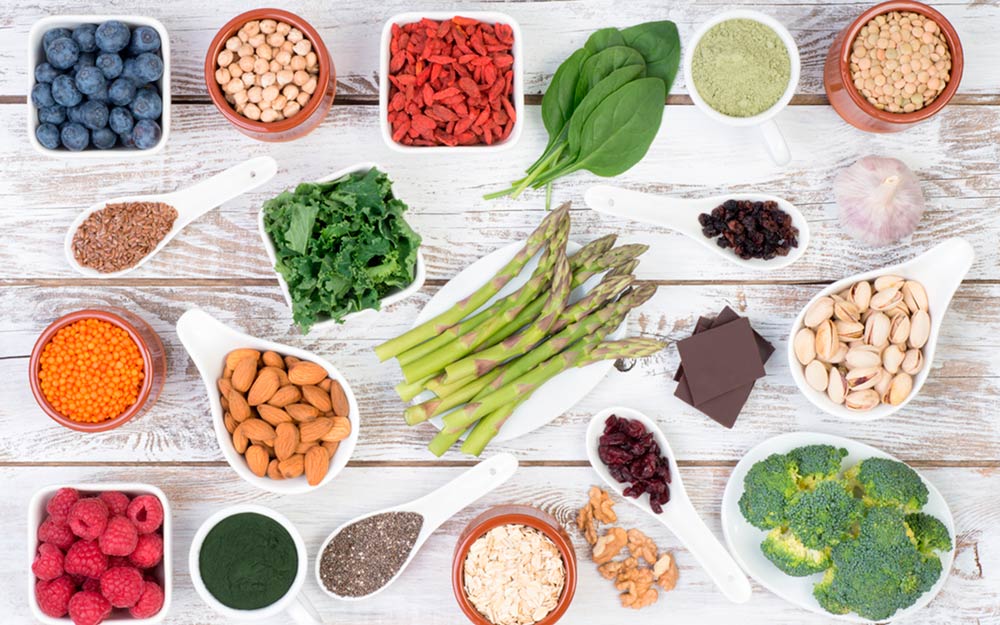
Most diets focus on the body. It is primarily about losing weight as quickly as possible, and whether that is done in a healthy or unhealthy way is often secondary to the visual result or what the scale says.
The dietary advice below is written to help you feel better in your own skin. Its effect is primarily on the brain, but the body benefits from it as well. One cannot exist without the other, since the brain is, after all, also an organ of the body. This dietary advice is more of a guideline than a rigid diet. We provide the ingredients that you need to combine yourself, but the good news is that you will start to notice a difference within just a few days.
Free radicals
When breathing, the body fills with oxygen, which the mitochondria (the powerhouses of your cells) use to make fuel for the body. They leave behind free radicals, the part of the oxygen that they cannot use. This oxygen is highly reactive and wants to bond with anything, which then oxidizes (like iron rusts).
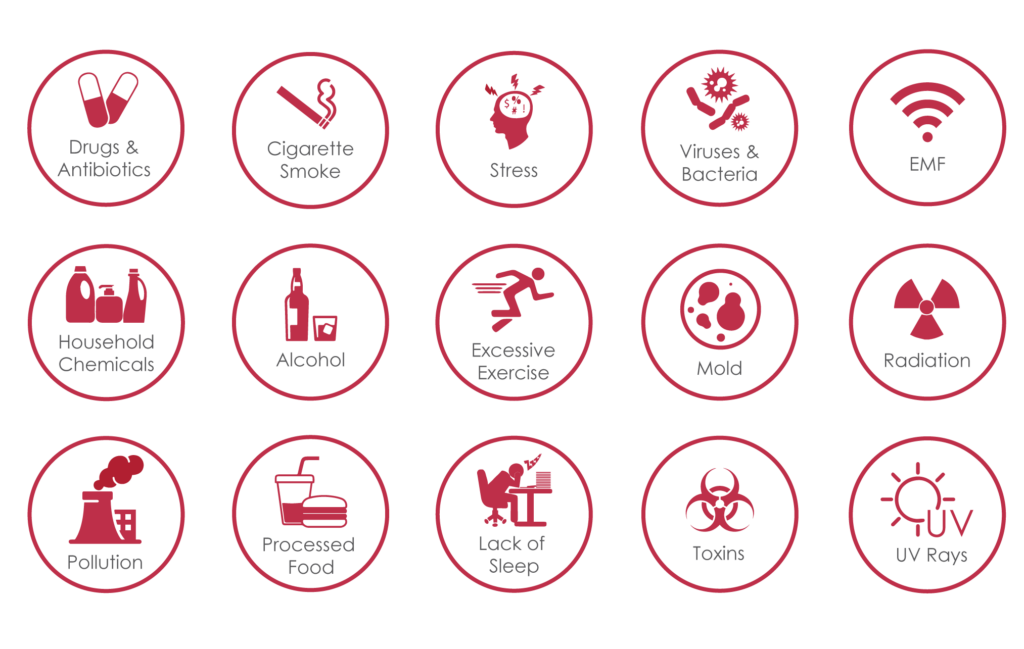
A few free radicals are good; they destroy damaged cells so you can replace them. But excess free radicals begin to attack strong cells, causing inflammation and leading to premature aging. Chronic stress, toxins from smog and poor indoor air, mold, sugar, pesticides, and many other attributes of modern life produce high levels of free radicals, so that inflammation in the body leads to less serotonin and BDNF being released, causing despondency or even depression.
More info about BDNF and serotonin
Polyphenols against free radicals
All vegetables contain polyphenols that neutralize free radicals and prevent them from causing damage. Low inflammation increases blood flow to your brain, providing it with the oxygen to produce more energy. Increased blood flow gives you stable energy and focus. Polyphenols also help you produce more BDNF (Brain-derived neurotrophic factor), a protein that promotes neurogenesis. Neurogenesis ensures that you build new brain cells.
Dark green vegetables are a good source of polyphenols. For an extra anti-inflammatory boost, add dark red, purple, and blue plants. They often contain the strongest polyphenols in the largest quantities. Here are some of the most powerful sources of polyphenols:
Coffee It contains special polyphenols that protect cells with a high fat content, and the brain is made up of some of the fattiest cells in your body. Coffee is strongly neuroprotective. Coffee should be consumed in moderation and not later than 1:00 PM due to sleep. More than two cups of coffee a day will actually work against your health, so drink in moderation.
Green tea It contains theanine and catechins, both of which prevent cognitive decline. Theanine also improves attention and mood when combined with caffeine, so drink your caffeinated green tea. You won't find green polyphenols in coffee. Drink a cup of each for extra cognitive performance in the morning.
Blueberries They get their deep blue color from anthocyanins, powerful polyphenols that increase blood flow and drastically extend lifespan in animals. Blueberry polyphenols also directly increase BDNF, allowing you to create new brain pathways. Blueberries contain relatively little sugar, but they still have a few grams, so stick to two handfuls a day.
Pomegranates contain ellagitannins, special polyphenols that reach your mitochondria directly and protect them from damage. Moreover, your gut bacteria break down pomegranate into something called urolithins, which can protect the brain against cognitive decline. Stick to a few handfuls of pomegranate seeds per day. Avoid ready-made pomegranate juices, which contain more sugar and far fewer polyphenols.
Red cabbage Contains anthocyanidins, which are particularly powerful in combating inflammation. They give red cabbage its color; white or green cabbage does not have the same powerful effect.
ORAC list. The ORAC list contains foods high in antioxidants. Antioxidants absorb free oxygen and thereby also prevent inflammation.
Good fats. Most polyphenols are fat-soluble, so make sure you get them with a good dose of good fats, which we write about further below.
Saturated fat to keep your brain cells insulated
The brain contains approximately 60% of fat, of which 25% is cholesterol. If you have ever followed a low-fat diet and always felt tired or unfocused, you now know why: you are starving the brain of one of its most important components.
Brain cells send signals to each other along long nerve connections. Many of these nerve connections are covered with myelin sheaths, fatty coatings that insulate your brain cells so that electrical signals travel faster through your brain. It is similar to the way electricity travels through an insulated wire.
When myelin begins to break down, electrical communication in the brain slows down. That is when one forgets keys and loses their train of thought. Myelin is made almost entirely of cholesterol. Cholesterol is also the basis for all sex hormones: testosterone, estrogen, cortisol (which is needed in healthy amounts), and so on. Give the body enough cholesterol to work with, and it balances the hormones.
Too many carbohydrates should not be consumed alongside saturated fat. Carbohydrates, particularly simple sugars, cause oxidative inflammation that ultimately leads to cardiovascular disease (oxidized LDL and saturated fats). In other words, it is the inflammation caused by excess sugars that weakens the heart, not just the saturated fat. A low-carbohydrate (primarily low-sugar), anti-inflammatory diet is ideal for most people.
Best sources of saturated fat and cholesterol
Grass-fed butter. Pay attention to the sunny yellow color and creamy consistency. White or waxy butter is a sign that the cow that produced it had a poor diet, meaning the butter is not of good quality either.
Eggs. Free-range, grass-fed eggs, and omega-3 eggs are the best choice. Avoid eggs from grain-fed chickens.
Dark chocolate. Watch out for added sugar. The darker, the better. The best is as unprocessed as possible, such as cocoa nibs. Chocolate is also full of polyphenols.
Grass-fed beef and lamb. Go for the fattiest ground meat available. It is usually the cheapest because most people think fat is bad, but with grass-fed beef and lamb, that is not the case.
Omega-3s against inflammation and brain structure

There are two types of omega-3s that are very good for the brain. Eicosapentaenoic acid (EPA) competes with omega-6 fats, thereby reducing inflammation throughout the body and particularly in your brain. Docosahexaenoic acid (DHA) is the main structural component of your brain and central nervous system. In fact, there is strong evidence that high-DHA diets played a major role in the evolution of the modern human brain.
DHA is one of the most important factors in sharp memory and brain cell integrity. It is also essential for mood: a global study on fish consumption, DHA levels, and depression showed that eating more DHA-rich fish correlates strongly with greater happiness. It is not a proven cause-and-effect relationship, as the connection could also be the other way around, namely that happy people eat more fish.
The third type of omega-3 is alpha-linolenic acid (ALA); this omega-3 is found in plants. The body cannot use ALA, so it converts it to DHA and EPA, but the conversion is inefficient. You only convert about 6% of ALA to DHA/EPA. All those superfood companies claiming that their plant-based products contain a lot of omega-3 are using misleading marketing; with the exception of a few types of algae, plants contain only ALA, which actually doesn't do you much good. Get your omega-3s from animal fats (or algae, if you are vegetarian/vegan).
Here are top sources of omega-3 fatty acids (DHA and EPA):
Wild-caught, low-mercury fish. Alaska salmon, anchovies, sardines, mackerel, and trout are all good sources. Make sure they are caught in the wild, and if you get them canned, check that the cans are BPA-free.
Fish / krill oil. Krill oil tends to be a bit better, but it is also more expensive.
Grass-fed organ meat It also contains many omega-3 fatty acids. Brains are by far the best source. Avoid cow brains due to the history with mad cow disease, but lamb brains are excellent if you can find them. Heart, liver, and kidneys also contain a lot of DHA and EPA. Make sure your organ meat comes from grass-fed animals.
What else can you eat?
We have previously written about how you can produce more BDNF through diet and lifestyle and thereby combat depression. We recommend that you read the section on nutrition. You can easily combine the dietary advice contained therein with the information in this article. Together, this information forms an excellent foundation for a healthy body and mind.
Read more here nutrition, BDNF and depression
Supplements
Supplements can be a welcome addition to your diet. We have written about this before.
Read here which supplements work against depressive symptoms
Other things to consider
Incorporating the above foods into your diet is a solid foundation for a fast, resilient brain that is more resistant to depression. This article covers the tip of the iceberg: you can stimulate your brain even more by eating even fewer carbohydrates and more healthy fats, and by fasting occasionally. Fasting can have a cleansing effect. Even intermittent fasting works. Eating only between 12:00 and 18:00 for a few weeks can already yield significant improvement.
Posted : 8 February 2019 13:30