
Topic starter
In recent years, interest in Triptherapie has skyrocketed. What was once seen as an alternative approach to spiritual exploration is now a much-discussed topic in both scientific and therapeutic circles. At Triptherapie.nl Legal variants such as magic truffles are being used to help people break through mental and spiritual blocks, process trauma, and develop a deeper connection with themselves and the world around them. In this article, we explore not only the active ingredients and their effects, but also the holistic approach required to safely and effectively integrate these experiences into daily life.
We take you on a journey through the world of psychedelics. From the biochemical effects of psilocybin and psilocin in magic truffles to the deep spiritual journeys during a truffle ceremony, from the subtle impact of microdosing to the intense experience of a full psychedelic session. Additionally, we compare various psychedelic substances – such as LSD, MDMA, ketamine, 5-MeO-DMT, and ayahuasca – and discuss the influence of other substances such as cannabis and XTC on our brains. Furthermore, we cover the role of neurotransmitters such as dopamine and serotonin, and delve deeper into the risks and benefits of MAO inhibitors. Special themes are also addressed, such as the influence of the pineal gland, the power of regression therapy, and the meaning of a professional tripsitter.
This article is intended for anyone curious about the possibilities of psychedelic therapy, whether you are considering undergoing a session yourself or wish to deepen your knowledge of how these powerful substances work. Read on and discover how these treatment methods can help you let go of old patterns and discover the best version of yourself.
1. Biological and Neurochemical Foundations
1.1 The Pineal Gland and Psychedelic Truffles
The pineal gland, also known as the “third eye,” is a small endocrine gland in the center of the brain that is often associated with spiritual awareness and inner visions. Traditionally, this gland is believed to form a gateway to higher levels of consciousness. In combination with psychedelic truffles, which contain psilocybin, the function of the pineal gland can be enhanced. This creates experiences that are both scientifically and spiritually fascinating.
Research suggests that activation of the pineal gland may coincide with elevated serotonin levels, which plays a role in the altered perceptions and feelings of connectedness that can occur during a psychedelic trip. Although much more research is needed to unravel the precise mechanisms, current knowledge indicates that the pineal gland may play a key role in facilitating deep, spiritual experiences.
1.2 Neurotransmitters: Communication in the Brain
Our brains function through complex networks of nerve cells, in which neurotransmitters transmit the message from cell to cell. Two crucial neurotransmitters in the context of psychedelics are dopamine and serotonin.
- Dopamine acts as the key to motivation, reward, and movement. Increased dopaminergic activity can lead to a feeling of pleasure and energy, which is essential for motivation and positive behaviors.
- Serotonin In contrast, it is the key factor for our well-being and plays a crucial role in mood, sleep, and appetite. Psychedelics such as psilocybin particularly affect the serotonin-2A receptor, leading to the characteristic changes in perception, emotions, and consciousness.
These changes in brain chemistry form the basis for the psychedelic experience and contribute to both the therapeutic and spiritual aspects of the therapy.
1.3 Psilocybin, Psilocin and Magic Truffles
Magic truffles contain psilocybin, which is converted into psilocin in the body. Psilocin binds to the serotonin 2A receptor, thereby causing the psychedelic effects. The intensity of these effects depends on the dosage and individual sensitivity.
In addition to classic magic truffles, combinations such as Psiloflora used. This combination of psilocybin-containing truffles with passionflower (a mild MAO inhibitor) results in a softer and more controlled experience. This makes it possible to maintain both deep introspection and a certain degree of control, which is particularly valuable in therapeutic settings.
2. Overview of Psychedelic Substances
2.1 Magic Truffles and Dried Mushrooms
Although magic mushrooms and magic truffles both contain psilocybin, there is an important difference in their legal status in the Netherlands. Since 2008, magic mushrooms have been banned, while magic truffles remain legal. This has led to magic truffles often being used as the preferred substance for therapy. Additionally, there are new forms of administration such as mushroom drops, which offer psilocybin in liquid form. These drops allow for precise dosing, but their legal status can vary.
On the Psilocybin page you can read more about the effects, research, and legality of these substances. In addition, the pages about Dried Mushrooms and Mushroom droplets extra information about the differences between the various forms.
2.2 Other Psychedelic Substances
Besides psilocybin, there are various other psychedelics that are used in therapy and spiritual exploration:
- LSD: A powerful psychedelic substance known for its intense and long-lasting effects. LSD and psilocybin are often compared; although both substances expand consciousness, the experience differs significantly.
- MDMA (Ecstasy)MDMA was originally developed as an empathogen and is used for therapy for post-traumatic stress disorder (PTSD) and depression. The societal impact and risks of MDMA are based on the MDMA page discussed in detail.
- XTC and EcstasyThese substances belong to the same group as MDMA, but there are important differences in composition and effects.
- KetamineOriginally an anesthetic, but used in low doses for the treatment of depression. Ketamine can have both medical and recreational uses, although the emphasis in therapy is on the controlled, low dose.
- 5-MeO-DMT and DMT: Strong psychedelics known for their intense and often overwhelming experiences. DMT is sometimes called the “forbidden mind-altering substance” due to its potency and the complexity of the experience.
- CannabisAlthough cannabis often has a milder effect than the aforementioned substances, it plays an important role in both recreational use and the treatment of certain conditions.
2.3 MAO Inhibitors and Their Role
MAO inhibitors (monoamine oxidase inhibitors) are substances that slow down the breakdown of neurotransmitters such as serotonin. In combination with psychedelics, MAO inhibitors can enhance the effects, but they also carry risks. For example, with traditional ayahuasca ceremonies strong MAO inhibitors are used, which can lead to complications. With alternative approaches, such as Psiloflora, milder ones are chosen. MAO inhibitors such as passionflower, so that the risks remain limited and the experience proceeds in a more controlled manner.
Read on the MAO inhibitors page more about the effects, risks, and proper use of these substances.
3. Ceremonies and Guided Experiences
3.1 The Truffle Ceremony: A Journey to Self-Discovery
A truffle ceremony is a shared experience in which psilocybin-containing magic truffles are used to embark on a deep psychedelic journey. During such a ceremony, the setting is of crucial importance; a safe and supportive environment ensures that the client can fully surrender to the experience.
3.1.1 Blue Lotus during a Truffle Ceremony
In addition to magic truffles, the blue lotus is sometimes used as complementary plant medicine during a ceremony. The blue lotus is known for its calming effect and for enhancing the trance-like state. In combination with truffles, the blue lotus can contribute to deeper meditation and a more intense spiritual experience. The combination stimulates the senses and makes it easier to let go and connect with your inner world.
3.1.2 I Give Birth to the Universe: A Journey to Letting Go
Many participants describe their experience during a truffle ceremony as a moment of complete surrender. “I give birth to the universe” is a metaphor for the liberating experience in which letting go of old patterns, fears, and emotional baggage makes way for a renewed sense of freedom and connection with the universe. This experience can lead to profound insights and a renewed perspective on life.
3.1.3 Psilocybin Ceremony: A Profound Inner Journey
The psilocybin ceremony is an intense process in which the participant goes through various phases of consciousness. From the moment of ingestion to the peak experience and ultimately the gradual 'landing' in a normal state of consciousness, this journey offers space for both self-reflection and emotional catharsis. The process may be accompanied by visual hallucinations, an altered perception of time, and a deep connection with both oneself and the environment.
Read more about the structure and guidance of a psilocybin ceremony on the Psilocybin page.
3.2 Microdosing: Small Doses, Big Impact
3.2.1 Microdosing for Depression: What Does Science Say?
Microdosing involves taking very small amounts of psychedelics, just enough to bring about subtle changes in mood and creativity, without experiencing a full psychedelic trip. Scientific studies suggest that microdosing can help with depression by balancing serotonin levels and improving communication between brain cells. The effect appears similar to that of traditional antidepressants, but without the often severe side effects.
More information about this approach can be found on the Microdosing page.
3.3 Trip Therapy: The Alternative Route to Insight and Growth
Trip therapy, also known as truffle therapy, offers an alternative route to self-insight and personal growth. Through guided sessions, old patterns are broken, traumas are processed, and the way is cleared for new insights. This form of therapy combines the psychedelic experience with psychological guidance, nutritional and lifestyle advice, and an integration process in which the acquired insights are translated into concrete changes in daily life.
Read more about this holistic approach on the Triptherapie page.
3.4 Set and Setting: The Keys to a Successful Ceremony
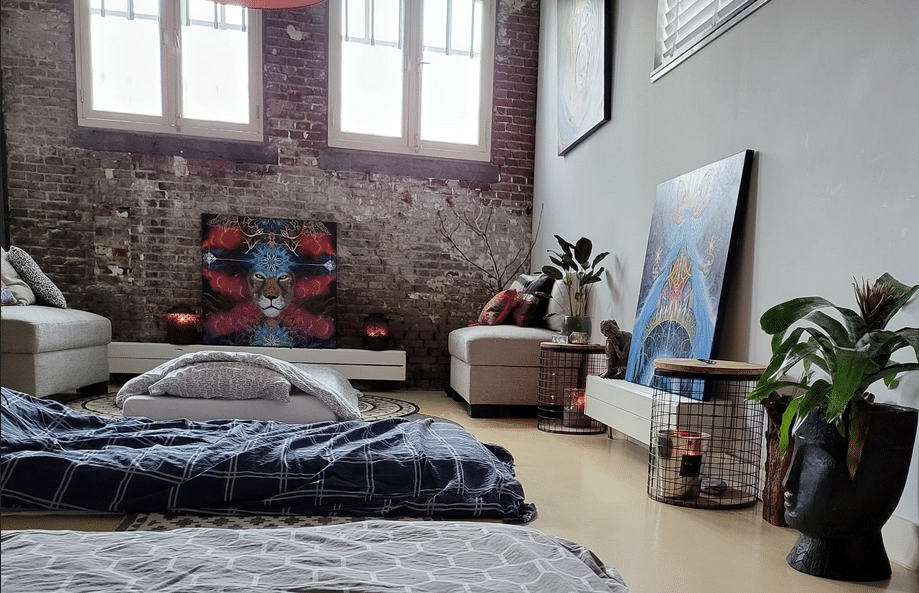
A crucial part of every psychedelic experience is the set (the participant's mental state) and the setting (the physical and social environment). An optimal combination of these ensures a safe, supportive, and deeply transformative experience. This includes not only the arrangement of the space but also the presence of a professional tripsitter who guides you during the journey.
You can read more about this essential aspect on the Method page.
4. Specific Therapeutic Applications and Personal Transformation
4.1 Trauma Release: Releasing Tension with Truffles
Many people carry physical and emotional tensions with them for years as a result of trauma. During a truffle ceremony, these blockages can be accessed and released at a deep level. The psychedelic experience stimulates a process of emotional catharsis, in which old wounds and ingrained patterns surface and can subsequently be processed in a safe manner. This form of trauma release can lead to renewed energy, a reduction in chronic stress, and a sense of emotional liberation.
4.2 Regression Therapy: A Deep Inner Journey with Truffles
Truffle regression therapy focuses on reliving and processing past experiences that unconsciously have a negative impact on your current life. By undergoing a regression experience in a controlled setting, you can relive and transform old traumas and repressed emotions. This form of therapy can be particularly healing for people who are stuck in old patterns and are seeking the deeper cause of their problems.
4.3 Processing Grief During a Truffle Ceremony
The loss of loved ones or major life events can lead to prolonged grief and emotional blockages. A truffle ceremony offers a safe space to experience, process, and ultimately let go of this grief. Under the guidance of experienced therapists, emotions are approached in a controlled manner, which can lead to deeper acceptance and the beginning of emotional recovery.
4.4 Addressing the Eating Disorder: Program for Transformation
Some clients experience that destructive eating patterns are linked to underlying emotional and psychological issues. By combining psychedelic therapy with nutritional and lifestyle advice, a transformation program can be implemented aimed at breaking these patterns. This program includes both an in-depth therapeutic experience and practical advice to restore a healthy relationship with food and one's own body.
4.5 Becoming the Best Version of Yourself: Here's How to Do It
Personal growth is a continuous process. Many clients report gaining renewed insight into who they truly are after a psychedelic experience. This can lead to letting go of limiting beliefs and shaping a new, stronger self-image. An essential part of this is embracing the changes and actively working on personal goals. Through coaching, aftercare, and integration, Triptherapie helps you become the best version of yourself, step by step.
5. Spiritual and Existential Explorations
5.1 The Sacred Journey: A Profound Spiritual Discovery
For many, a psychedelic experience is more than a therapeutic session; it is a spiritual journey. The “sacred journey” refers to the deep, almost sacred experience that some people have during a truffle ceremony. This journey can lead to insights that go beyond everyday reality and can help redefine your place in the universe.
5.2 Mindtravellers: Travelers of the Mind
The term “mind travelers” is often used to describe people seeking a deeper, consciousness-expanding experience. These travelers explore the boundaries of their minds and discover new perspectives, which can lead to personal growth and spiritual awakening. The path of the mind traveler is one of continuous discovery and transformation.
5.3 Religious Trauma Syndrome: After Religious Indoctrination
Some clients have developed deep-seated traumas and limiting beliefs due to their religious background. Religious Trauma Syndrome refers to the emotional and psychological scars left behind after intensive religious indoctrination. Psychedelic therapy can help reinterpret and release these traumas, creating space for your own authentic spiritual path.
6. Equations and Substance-Specific Insights
6.1 MAO Inhibitors: Mechanism of Action, Risks, and Use
MAO inhibitors slow down the breakdown of neurotransmitters in the brain. When using psychedelics, they can enhance the effects of psilocybin, but they also carry risks, such as an increased risk of hypertension or interactions with other medications. It is therefore essential to choose the right MAO inhibitor and to use it in a controlled setting. On the MAO inhibitors page read more about the science behind this and how you can use it safely.
6.2 Sumatriptan for Migraine and the Influence of Truffles
Sumatriptan is a medication commonly used for migraines. Research is ongoing into the influence of psychedelic substances such as truffles on migraine symptoms. Some studies suggest that the altered neurotransmission during a psychedelic experience may have a positive effect on the frequency and intensity of migraine attacks.
6.3 Psilocin, Depression, and the Influence of Truffles
The conversion of psilocybin to psilocin is crucial for the psychedelic experience. Psilocin influences serotonin receptors and can thus help break depressive patterns. Many clients experience a significant reduction in depressive symptoms after a truffle ceremony, which contributes to a better sense of well-being. On the Psilocybin page you will find extensive information about how this works.
6.4 Neurotransmitters: Communication in the Brain
As discussed earlier, neurotransmitters play a central role in how our brains function. In addition to dopamine and serotonin, there are other neurotransmitters involved in the effects of psychedelics. These chemical messengers facilitate communication between brain cells and influence both our mood and our perception of reality.
6.5 Dopamine and Serotonin: Keys to Motivation and Well-being
- Dopamine is of essential importance for motivation, reward, and experiencing pleasure. It stimulates us to pursue goals and gain new experiences.
- Serotonin regulates mood, sleep, and appetite. An optimal balance of serotonin is crucial for our overall well-being. The influence of psychedelics on these neurotransmitters is an important part of their therapeutic effect.
6.6 XTC, Ecstasy, and MDMA: Origin, Use, and Societal Impact
XTC and MDMA belong to the empathogens and are often used for both recreational and therapeutic purposes. MDMA has a proven effect in the treatment of PTSD and depression. The societal impact, risks, and therapeutic applications of these substances are discussed extensively on the MDMA page.
6.7 Psychedelic: What Is It and How Does It Work?
The term “psychedelic” literally means “mind-opening”. Psychedelic substances disrupt the normal functioning of the brain, causing new patterns and connections to form. This leads to heightened awareness, creative insights, and sometimes spiritual experiences. On the Psilocybin page and other related pages, you will find more information about the function and applications of these substances.
6.8 Cannabis and Ketamine: History, Use, and Risks
- Cannabis It has a long history, both as a medicine and a recreational drug. Despite the mild effects compared to other psychedelics, cannabis also carries risks, such as addiction potential and psychological side effects with long-term use.
- Ketamine It was originally developed as an anesthetic, but is increasingly used in low doses for the treatment of depression. Ketamine has both medical and recreational applications, but its use must always be supervised due to the risks of abuse.
6.9 5-MeO-DMT: A Profound Psychedelic Experience
5-MeO-DMT is a particularly powerful psychedelic substance, known for its intense and often indescribable experiences. This substance leads to a rapid and profound expansion of consciousness, causing users to often speak of an “ego death” or a total unification with the universe.
6.10 Mind-Altering Substances and Hallucinogenic Effects
The term “mind-altering substances” encompasses all substances that expand our consciousness and grant us access to deeper layers of reality. Hallucinogenic effects, such as visual and auditory hallucinations, are often the gateway to these deeper insights. Seeing patterns, colors, and shapes can be symbolic of inner processes and the letting go of old, limiting beliefs. These effects are often experienced as a journey through time and consciousness, where each experience opens up new perspectives.
6.11 LSD versus Psilocybin, Mescaline and Peyote
There are various psychedelics that resemble each other but still exhibit subtle differences. For example:
- LSD and psilocybinAlthough both substances have powerful mind-expanding effects, an LSD trip typically lasts longer and has a different quality of hallucinations.
- Mescaline (obtained from peyote or San Pedro) has a different chemical structure and produces a more organic and earthy effect.
- Peyote is often compared to a truffle ceremony; both offer a deep, introspective experience, but the cultural context and the method of ingestion can differ.
6.12 DMT: The Forbidden Mind-Altering Substance
DMT is known as one of the most powerful psychedelics and is often referred to as the “forbidden mind-altering substance.” Despite strict regulations in many countries, DMT holds a special status in spiritual traditions. The short but intense experience with DMT is often described by users as a journey to another dimension, where time and space seem to fade away.
7. Legal and Historical Aspects
7.1 Legality of Psilocybin Mushrooms and Magic Mushrooms
In the Netherlands, the legal status of magic mushrooms has changed since 2008: magic mushrooms are prohibited, while magic truffles remain legal. This has led to a shift in the way psychedelic therapy is practiced. Magic truffles are currently used as the primary source of psilocybin, whereas alternative forms such as dried mushrooms or mushroom drops are subject to strict regulations.
7.2 Sclerotia and Magic Mushrooms in Amsterdam and Holland
Sclerotia, the underground structures of certain psilocybin-producing fungi, offer an alternative to traditional magic mushrooms. In Amsterdam and the rest of the Netherlands, there is a strong focus on the diversity of magic truffles and magic mushrooms, with extensive information available regarding their effects, dosage, and legal context.
8. Alternative Treatments and Cleansing
8.1 Kambo: A Deep Cleansing for Body and Mind
In addition to psychedelics, Kambo, a secretion from the giant frog, is increasingly being used as a cleansing ritual. Kambo is known for its powerful effects on both the body and the mind. The Kambo process cleanses the energy channels and can help remove blockages, which can enhance the effectiveness of psychedelic therapy. This treatment is often used in combination with truffle ceremonies, where it further helps the client release physical and emotional tension.
8.2 Ayahuasca versus Truffle Ceremony: Which One Suits You?
The choice between a traditional ayahuasca ceremony and a truffle ceremony depends on personal preferences, goals, and the desired intensity of the experience.
- Ayahuasca is a traditional South American plant medicine that is often accompanied by lengthy, intensive rituals.
- Truffle ceremonies In contrast, they offer a more accessible and often milder experience, suitable for people seeking a profound yet controlled inner journey.
Read more about the differences and how to make the right choice on the Ayahuasca vs. Truffles page.
8.3 Ayahuasca Netherlands: A Deep Spiritual Journey
Although ayahuasca is strictly regulated in many countries, alternatives such as psilohuasca and psiloflora are used in a controlled manner in the Netherlands. These approaches offer a similar spiritual journey, emphasizing breaking old patterns and discovering new insights. Guidance is essential to safely integrate the intensity of the experience.
9. Practical Guidelines and Starting Points
9.1 Trip Sitter: How to Find a Good One?
A good trip sitter is indispensable for a safe psychedelic experience. This person ensures physical safety, offers emotional support, and helps interpret the insights gained. Finding a professional trip sitter can make a big difference in the quality of your experience. View tips and advice on the Trip Sitter page.
9.2 A Professional Tripsitter: Travel Safely and Relaxed
In addition to the personal guidance of a trip sitter, hiring a professional trip sitter offers extra security. These professionals have years of experience and know how to handle the challenges of a psychedelic journey in an empathetic and expert manner. This allows you to travel with peace of mind and fully trust in the guidance.
9.3 Trip Therapy: An Alternative Route to Insight and Growth
Trip therapy combines the power of psychedelic experiences with professional psychological guidance. The goal is to sustainably integrate the insights gained during a session into your daily life. This process consists of a carefully structured intake, personal preparation, guidance during the session, and extensive aftercare. This holistic approach ensures that the therapeutic effects are lasting and that you can become the best version of yourself.
Read more about this approach on the Triptherapie page.
9.4 Set and Setting: What You Need to Know
The mental state (set) and the physical environment (setting) play a crucial role during a psychedelic session. A positive set and a well-arranged setting contribute to a safe and deeply transformative experience. Think of a comfortable space, calming music, pleasant scents, and the presence of an experienced facilitator. All of this helps to create an atmosphere in which you can fully relax and be open to the deeper layers of your consciousness.
You can read more about this on the Method page.
10. Historical, Cultural and Scientific Context
10.1 History of Psychedelics
Psychedelics have a rich history dating back to ancient civilizations. In many cultures, fungi, plants, and other natural substances were used for spiritual and healing rituals. These traditions form the basis for the modern application of psychedelic therapy, in which ancient wisdom is combined with modern scientific insights.
10.2 Research and Legality of Psilocybin
Over the past few decades, there has been increasing research into the therapeutic effects of psilocybin. Studies show that, under controlled conditions, psilocybin can aid in the treatment of depression, anxiety, PTSD, and addiction. The legality of these substances varies significantly from country to country. In the Netherlands, the sale of magic mushrooms is prohibited, but magic truffles remain legal, making them an important tool in contemporary psychedelic therapy.
10.3 Psilocybin Mushrooms, Magic Mushrooms, and Sclerotia: Legal Aspects
Since 2008, magic mushrooms have been banned in the Netherlands. Magic mushrooms and sclerotia – the underground, spherical structures of certain fungi – are subject to strict regulations. Nevertheless, a great deal of information is available regarding the differences between these forms, their effects, and their safety. On the Mushroom therapy page and through other sources you can read everything about the legislation and practical applications of these means.
11. Comparisons of Different Psychedelics
11.1 LSD and Psilocybin in Comparison
LSD and psilocybin are among the best-known psychedelics. Although both substances lead to heightened awareness and intense hallucinations, they differ in duration, intensity, and the way the experience is perceived. LSD is known for its longer duration of action and more visual hallucinations, while psilocybin is often described as a more “organic” and introspective experience.
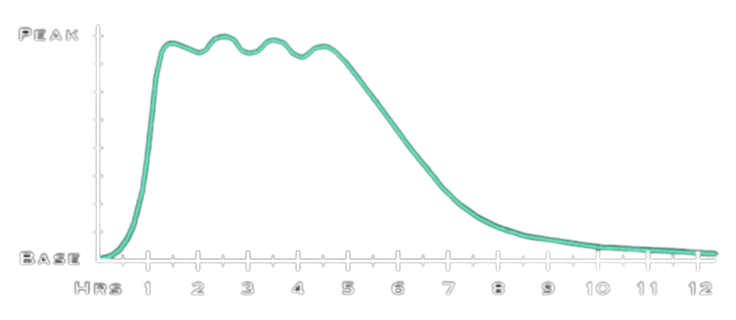
11.2 Ibogaine versus Truffle Ceremony
Ibogaine is a powerful psychedelic substance primarily used for addiction treatment. Compared to a truffle ceremony, which focuses more on personal growth and spiritual transformation, an ibogaine session offers a different, often more intense approach. Both experiences have their own unique characteristics and applications.
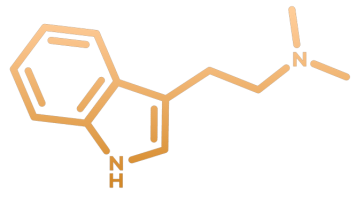
11.3 San Pedro vs. Truffle Ceremony
San Pedro, a cactus containing mescaline, is used in traditional South American rituals. Although the effects of San Pedro are somewhat similar to those of magic truffles, the cultural context and the duration of the experience are different. A San Pedro ceremony may be more connected to nature and traditional medicine, whereas a truffle ceremony is often more focused on individual introspection and personal transformation.
11.4 Set and Setting: Visual Hallucinations and Consciousness
During a psychedelic session, visual hallucinations may occur, such as patterns, colors, and distorted images. These hallucinations act as gateways to deeper layers of consciousness and can hold symbolic meanings. The intensity and nature of these visual effects are strongly influenced by the set and setting, making each experience unique.
12. Additional Themes and In-Depth Insights
12.1 Sumatriptan for Migraine and the Influence of Truffles
Sumatriptan is a medication traditionally used to treat migraine attacks. There is growing interest in the potential influence of psychedelics, such as magic truffles, on migraines. The altered neurotransmission during a psychedelic experience may potentially reduce the frequency and intensity of migraines, which is an interesting field of research.
12.2 Hallucinogenic Effects: Gateways to Deeper Insights
The hallucinogenic effects of psychedelics, such as visual hallucinations, play a central role in gaining deeper insights. These effects can be seen as a kind of “visual language” in which the subconscious communicates. The ability to interpret these images can lead to valuable insights into personal trauma, creativity, and spiritual growth.
12.3 Addressing Eating Disorders with Psychedelics
Psychedelic therapy is also being investigated as a treatment for eating disorders. By breaking old, destructive patterns and opening new perspectives, a combination of psychedelic sessions and lifestyle coaching can help restore a healthy relationship with food and one's own body. This transformation program focuses on both the emotional and physical aspects of eating disorders.
12.4 Psychedelic Experience: A Journey to Inner Growth
The psychedelic experience is often described as a journey inward. This process can lead to a profound transformation and the discovery of a new self. Whether it involves processing grief, letting go of trauma, or discovering the best version of yourself, psychedelic therapy offers opportunities to grow in a unique and profound way.
13. Practical Tips and Guidelines for a Successful Experience
13.1 How Do You Start a Psychedelic Journey?
Starting psychedelic therapy requires thorough preparation. This includes completing an intake form, discussing your goals, and assessing your physical and mental state. Good preparation helps to make the experience as safe and effective as possible.
13.2 The Importance of a Good Trip Sitter
A trip sitter is essential for a safe psychedelic experience. They ensure physical and emotional safety and help you stay focused on your intentions during the experience. Finding a professional and experienced trip sitter can make the difference between a confusing experience and a transformative journey. View tips and advice on the Trip Sitter page.
13.3 Integration: The Key to Sustainable Transformation
After the psychedelic experience, integration is of crucial importance. This means that the insights and emotions gained during the session must be translated into practical changes in your daily life. Professional guidance during the integration process helps you to sustainably anchor the experience and reap the long-term benefits. Read more about the integration procedure on the Method page.
14. Other Means and Equations
14.1 Cannabis: History, Use, and Risks
Cannabis has a long history as a medicine and recreational drug. Despite its relatively mild effects compared to other psychedelics, cannabis also carries risks such as addiction and psychological side effects with excessive use. The history and current applications of cannabis offer an interesting contrast to the more intense psychedelic substances.
14.2 Ketamine: From Medical Drug to Recreational Use
Ketamine was originally developed as an anesthetic, but has become popular in recent years as a treatment for depression. In low doses, ketamine can have rapid antidepressant effects, but its use must be carefully monitored to prevent abuse.
14.3 5-MeO-DMT: A Profound Psychedelic Experience
5-MeO-DMT is a powerful psychedelic substance known for its short but intense effects. This substance leads to a profound change in consciousness and can confront users with the boundaries of the ego. It is often described as an “ego death” and offers a unique opportunity to explore the deeper layers of consciousness.
Conclusion
The world of psychedelics and truffle therapy offers a wealth of possibilities for personal growth, spiritual exploration, and therapeutic intervention. By combining scientific insights, ancient wisdom, and modern psychological guidance, experiences emerge that are both healing and transformative. Whether you choose a full truffle ceremony, microdosing, or a combination of multiple forms of therapy, the holistic approach of Triptherapie helps you let go of old patterns and forge a deeper connection with yourself.
With attention to both biological and spiritual aspects—from the role of the pineal gland and the functioning of neurotransmitters to the specific effects of psilocybin, MDMA, LSD, and other substances—this therapy offers a unique route to a renewed self. The comparison of various psychedelics, the discussion of alternative treatments such as Kambo, and the practical guidelines for a safe experience make this article a comprehensive reference work.
By choosing a guided psychedelic session with a professional trip sitter, a carefully curated set and setting, and a thorough integration process, you lay the foundation for lasting positive change in your life. The experiences you gain, ranging from deep introspection to letting go of old traumas, can lead to a renewed sense of energy, connection, and well-being.
See also:
Posted : 24 February 2025 20:19