
Using drugs wisely during therapy?
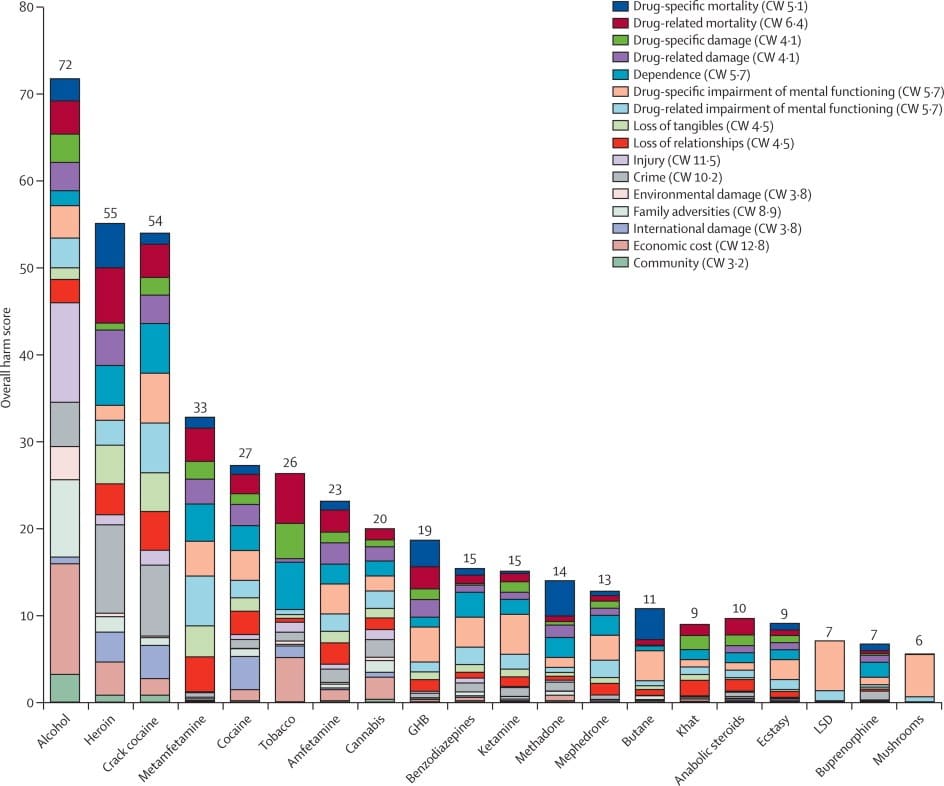
There are various types of drugs with different effects and uses. Some fall under drug abuse, addictive substances, or medicinal drugs such as marijuana. The way drugs are used is, of course, the most important factor. Recently, hallucinogens in particular, as well as non-hallucinogenic psychedelics, have been in the spotlight regarding their therapeutic potential. We therefore view psychedelics as a completely different sub-variant of the various types of drugs, and psychedelics are consequently the least harmful. This refers to the least harmful and most researched: psilocybin from magic mushrooms and magic truffles. However, LSD and MDMA are also receiving increasing attention.
What do the different psychedelics have in common?
1: BDNF
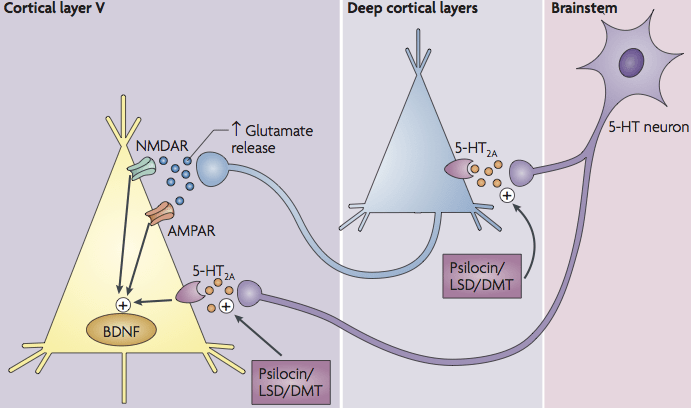
Almost all various psychedelics are known to increase activity on serotonin receptors. This is typically done because the psychedelics resemble serotonin and therefore fit into the same receptors. With some drugs, such as MDMA, activity is increased because more of the body's own serotonin reserves are released. All in all, most effects are achieved through the stimulation of the serotonin receptor 5HT2a. The degree of stimulation of the 5HT2a receptor in particular, as well as a mix of other receptors, causes a change in perception, mood, and the formation of new connections in the brain. These new connections in the brain are, in turn, attributed to the increased production of the neurotrophin BDNF. When the body releases more BDNF, it flips a switch on a series of genes that allow brand-new brain cells, nerve cells, and connections to grow. Slightly higher BDNF levels ensure that you learn faster, remember better, age more slowly, and that your brain quickly rearranges connections with the different parts of the brain and the body.
BDNF also increases brain plasticity. When brain cells are damaged or subjected to a stressful situation, BDNF protects them and helps them come back stronger. The neural pathways become more flexible instead of breaking down, which could explain why higher levels of BDNF are associated with warding off depression.
2: DMN activity
The Default Mode Network (DMN) comprises brain regions in the cortex that are normally active during rest and is involved in recalling events, social and emotional judgment, and future planning. Reducing DMN activity causes the sense of time to disappear and leads to living more in the here and now. This means that worries and fears about the future vanish.
Lower DMN activity therefore leads to lower stress levels and thus lower cortisol. Low cortisol allows the body to utilize its self-healing capabilities, enabling it to combat diseases and inflammation. Thanks to reduced inflammation levels, more serotonin is released, which in turn releases more BDNF, while also reducing anxiety and depression.
Read more about being in the now
3: Less ego
Psychedelics in higher doses cause self-awareness to take a back seat because a higher degree of connectedness can be experienced. The ego generally wants to be fed with increasingly more and often unhealthy things. The ego makes us restless and anxious, since self-preservation is the ego's greatest goal. Without an ego, we will not survive, but an overactive ego leads to separation, loneliness, and addictions.
Less ego means more connectedness, less depression, more serotonin, more BDNF, more healthy choices, less stress, and less DMN activity.
4: Emotions are allowed
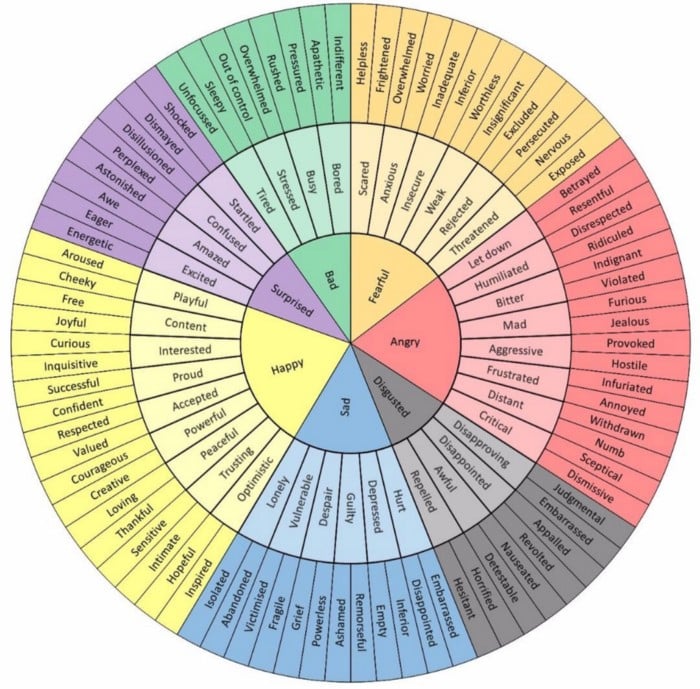
It regularly happens during a psilocybin session that emotions surface that have been blocked for a long time. It is precisely the release of this “old pain” that leads to the loosening of emotional blockages and sometimes also psychosomatic complaints. It can sometimes feel like a liberation to feel uninhibitedly everything that needs to be felt. Because psychedelics can also provide a sense of satisfaction, “negative” emotions can often be felt more easily and processed into something one can be satisfied with.
5: Hallucinations
At normal doses, MDMA causes almost no hallucinations, whereas other well-known psychedelics do. LSD, psilocybin, and DMT (ayahuasca), on the other hand, are known to induce hallucinations. The hallucinations, combined with the effects described above, can lead to new insights that can be helpful, spiritual experiences, or a truly beautiful experience that cannot be put into words. In our view, it also offers a glimpse into how the subconscious works, and with this new knowledge, one can make healthier choices sooner. Would you like to learn more about the hallucinations? Then read on via the link:
Want to start psychedelic therapy?
Our programs begin with the intake form. After completing the intake, initial advice will be sent to you via email containing the recommended trip and dosage. The email also includes an explanation of the approximate approach and how to schedule an appointment for the psychedelic session.
Overview of available days
View our current availability below via the following link:
Additional information
Would you like to know more about who we are and where we offer our services? Then please use the following links for more information.
Trip therapy rates | Trip therapy method | Home service | Our location | Trip therapy reviews | About us
Contact via chat apps
Nowadays, chatting via chat apps such as WhatsApp and Telegram the easiest way to get in touch quickly. The phone number we use for these chat apps is 0640898455.
Chat directly via WhatsApp
Chat directly via Telegram
Contact via email
Although emailing is used less and less frequently, you can of course also contact us via email. You can email us at the following email address.
Contact by telephone
Would you prefer to call? You can also reach us at the following phone number: 0640898455. In the event that we are unable to answer your call, you can request a callback using one of the options above.