
What are psychedelics?
Psychedelics are psychoactive substances that can temporarily alter perception and the emotional world. Psychedelics can enable people to resolve conflicts and traumas that underlie mental disorders. Enormous neuroplasticity and reorganizations are triggered by serotonin 2A receptors in the neocortex, which are stimulated by psychedelics and endogenous neurotransmitters. These non-patentable compounds are unattractive to Big Pharma, and as a result, research is progressing slowly. However, the studies subsidized by smaller parties are showing promising results.
Read more about the here ongoing research into psychedelics
Psychedelics are primarily substances found in nature. Examples include magic mushrooms, fungi, plants, and animals. Humanity has used psychedelics for thousands of years as sacred and medicinal substances. Some even claim that religion originates from the use of psychedelic substances.
-
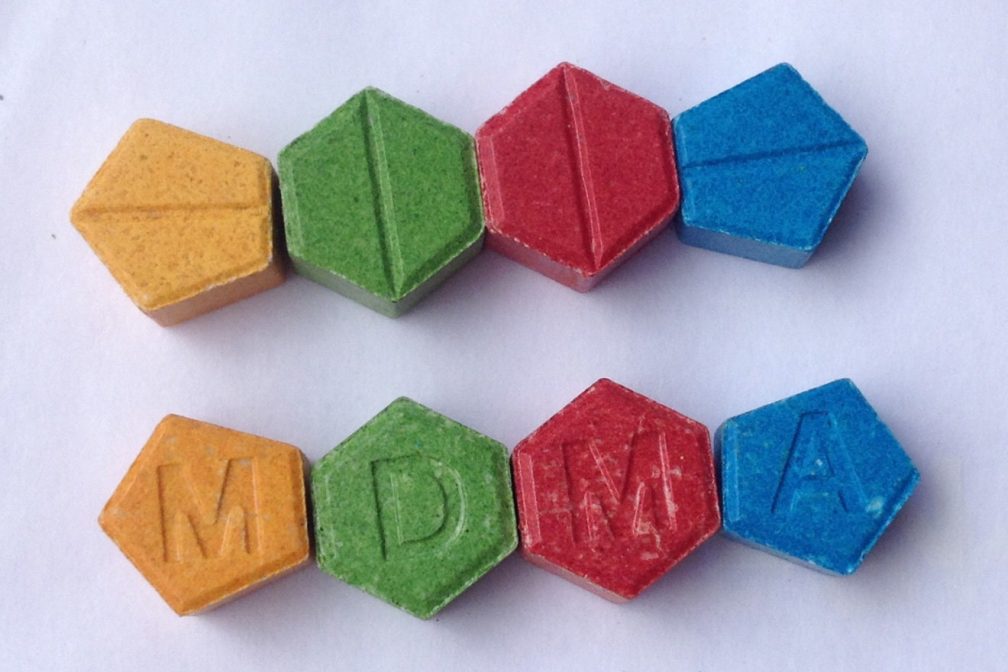
MDMA -
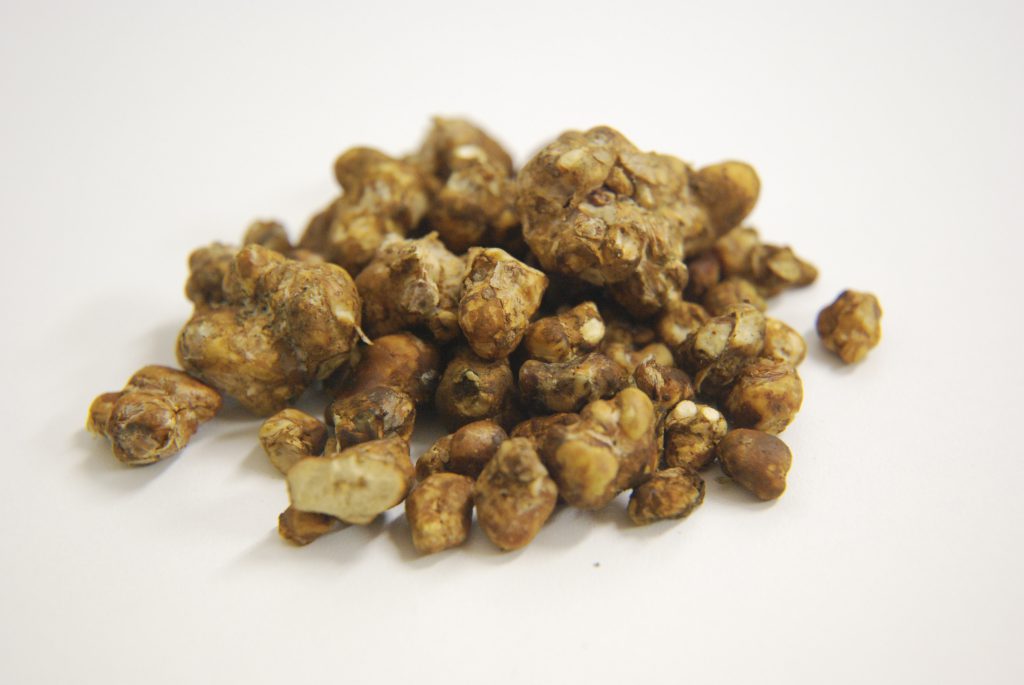
Truffles -
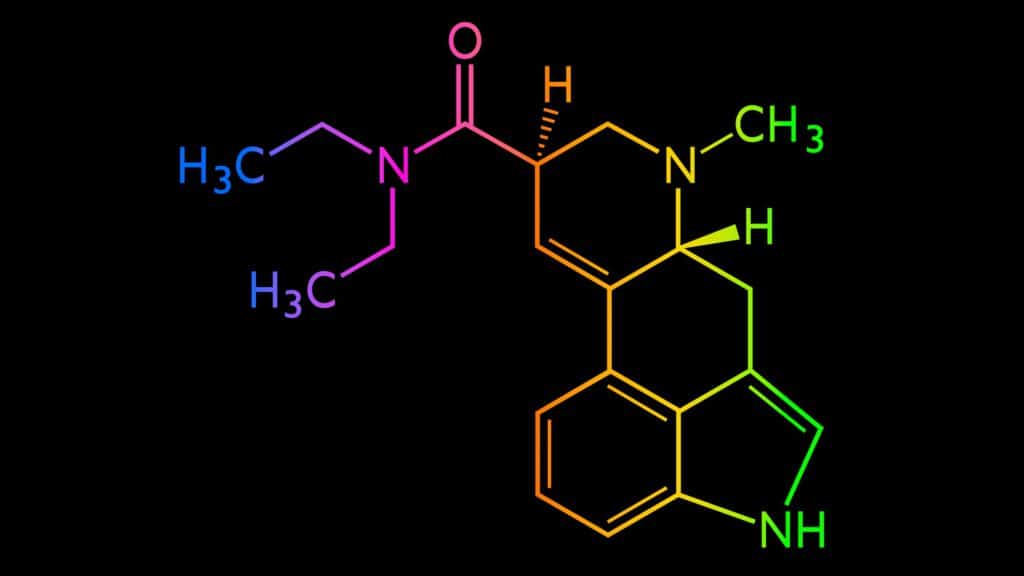
LSD
5HT2a receptors and the DMN network
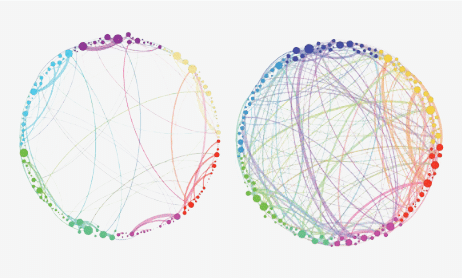
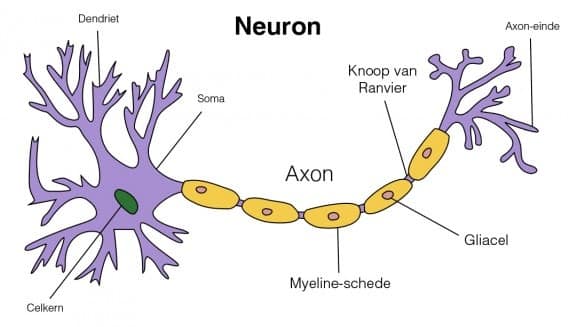
Psychedelics have a major impact on serotonin 2A receptors in the neocortex. These receptors increase connectivity between cortical neural networks that normally do not communicate with each other. This increases neuroplasticity in the brain. Another nice side benefit of the psychedelic state is that the default mode network (DMN) becomes less active. The DMN is active in a neural 'resting state' and causes people who are not doing anything to have more thoughts about the past, the future, and self-image (such as 'ego'). A less active DMN due to psychedelics therefore leads to less self-awareness, less anxiety about the future, and thus lower signaling from the amygdala to the adrenal glands, resulting in less cortisol secretion. Furthermore, the activation of 5HT2A receptors triggers neuroplastic changes, both functional and structural. This is due to the increased production of BDNF hormone, which promotes the repair and creation of new nerve cells/neurons.
Read more about the here Default Mode Network and psychedelics
Read more here BDNF and psychedelics
What do you experience during a psychedelic trip?
Beyond the physical (biochemical and electrochemical) changes, there is also a subjective experience that changes relative to daily life. Depending on the dosages and the individual in question, different effects arise, and the intensity of these effects can vary. In addition to hallucinations, other effects occur. Patients' subjective experiences include ego death (breaking down thought-filled, controlling, and rigid aspects of our mind), connection, access to emotions and memories, access to the subconscious, and a shift from previously rock-solid beliefs about oneself and the world. Sometimes, the beginning of such a session is challenging because, alongside the positive effects, tension can initially arise due to the need for control over the effects of the psychedelics. A good therapist or guide helps you through the beginning, thereby increasing your therapeutic potential. During the peak of a therapeutic session, emotions are allowed to surface so that they no longer form a blockage in the future.
Read more about the different here dosages and effects of psilocybin (Magic mushrooms/truffles)
Read more here hallucinations caused by psychedelics
Psychedelics for PTSD, trauma, depression, addiction, social anxiety, and burnout
In trip therapy, we primarily use psychedelics to treat depression and addiction issues. Additionally, we help many clients with anxiety-related complaints. Every approach is slightly different, and we take personal circumstances into account. We provide personalized advice based on an intake during which we also assess how to improve neurochemistry before the session. We also offer tips for preparing for the session. The preparation and the psychedelic session synergistically reinforce the effect, thereby increasing the chance of success. Are you curious about the different programs? Then read more via the links below.