7 December 2024 12:17
Topic starter
2

What are the similarities and differences between 2CB and XTC?
2 Answers
3
1 April 2025, 22:12

Similarities and differences between 2CB and XTC
Chemical Composition
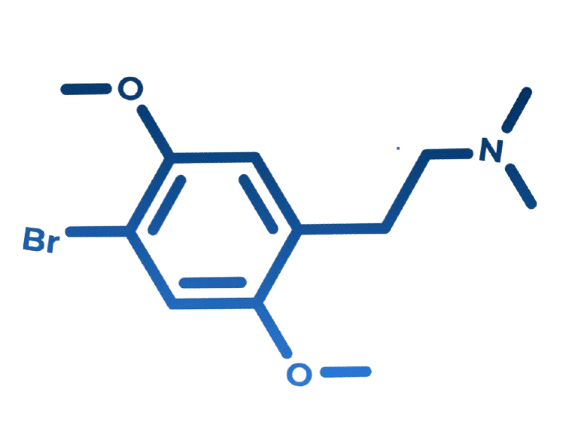
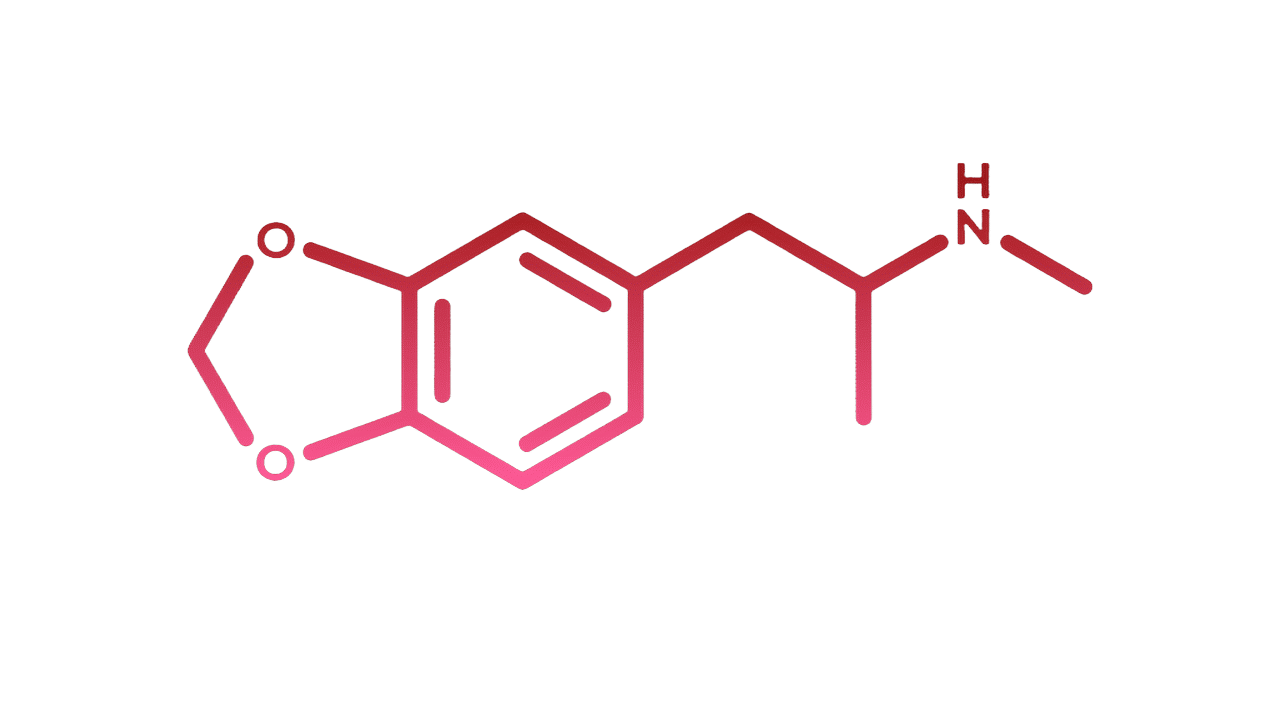
The chemical composition appears to be very different
2CB: 4-bromo-2,5-dimethoxyphenethylamine, is a phenylethylamine.
XTC (MDMA): 3,4-methylenedioxymethamphetamine, a amphetamine-like fabric.
Biochemical effects on the brain
2CB: It acts primarily on the 5-HT2C serotonin receptors and only partially on the 5-HT2A receptors, which may explain the mild hallucinations. It mimics serotonin and alters neural transmission. It therefore has less of an effect on the 5-HT2A receptor, which is typical of many other psychedelics.
XTC (MDMA): Releases a large amount of serotonin in the brain, inhibits the reuptake and breakdown of serotonin, leading to increased serotonin levels and a feeling of euphoria and connectedness.
An important difference, therefore, is that 2CB itself acts as a (partial) serotonin agonist, whereas MDMA causes the release and consumption of serotonin.
User experience
2CB: Primarily causes visual and sensory hallucinations. The experience can range from mild visual distortions to intense hallucinations, depending on the dose. Many users report empathogenic effects similar to those of MDMA.
XTC (MDMA): Known for its empathogenic effects, such as feelings of love, connectedness and euphoria. It also heightens sensory perception, which can make music and touch feel more intense.
According to many people, 2CB feels a bit like MDMA, but with mild visual effects.
Duration and intensity
2CB: The effects are usually shorter-lasting and less intense than those of XTC. The experience can last for several hours, depending on the dose and individual sensitivity.
XTC (MDMA): The effects can last for several hours and are often perceived as more intense than those of 2CB.
Risks and Side Effects
2CB: Side effects may include: increased heart rate, anxiety and visual disturbances. An overdose can lead to severe hallucinations and panic attacks.
XTC (MDMA): Side effects may include: increased heart rate, dehydration, loss of appetite, anxiety and depression. An overdose may lead to hyperthermia and serotonin syndrome.
Conclusion
Although 2CB and XTC both affect the serotonin system and can cause psychedelic effects, they differ significantly in their chemical composition, biochemical action and the nature of the experience they provide.
1
2 April 2025, 17:02

2C-B and XTC (usually MDMA) are both classified as entactogens or empathogens, which means they can enhance feelings of connection, empathy and openness. However, there are clear differences in their effects, intensity and experience, which make it important not to regard them as interchangeable.
Similarities between 2C-B and XTC: Both substances can induce euphoria, heightened sensory perception and a sense of connection with others. They are often used recreationally in social settings and can exhibit stimulant and psychedelic properties. Both 2C-B and XTC affect neurotransmitters such as serotonin, dopamine and noradrenaline, which produce the characteristic "feelings of love" and energy boosts.
Differences between 2C-B and XTC: XTC (MDMA) has a strong empathogenic and emotionally bonding effect, which makes it popular for therapeutic use. It often produces a warm, loving and ecstatic feeling. The experience is usually less visual and psychedelic, and more focused on social interaction and emotional introspection.
2C-B, on the other hand, falls somewhere between MDMA and LSD in terms of its effects. It has a milder empathogenic component than MDMA, but much stronger visual and sensory effects. Users often describe a psychedelic experience characterised by distorted images, patterns and an altered sense of the body. Mental clarity often remains reasonably intact, but the experience can also be more unpredictable, with both mild and intense phases.
There is also a difference in dosage and duration of effect. 2C-B lasts for an average of 4 to 6 hours, whilst XTC is usually active for 3 to 5 hours, with a more pronounced 'comedown'. 2C-B is often taken in smaller doses (5–20 mg), whilst XTC is usually available in tablets containing 80–150 mg of MDMA.
Users may also perceive the differences subjectively: some find 2C-B more mentally challenging or less predictable, whilst others actually prefer it because of its milder emotional effect compared with XTC.
If you are considering using one of these substances in a therapeutic setting, or are curious about their role within psychedelic therapy, it is important to consider your personal goals. MDMA now has a strong scientific basis for use in trauma therapy, whilst 2C-B, due to its visual and introspective nature, is sometimes being researched for creative and spiritual applications.