9 March 2024 17:08
Topic starter
0

Does the MDMA analogue work differently than MDMA?
For 95%, the MDMA analogue works the same as MDMA. There is a subtle difference in the slightly longer duration of action and lower dopamine depletion compared to MDMA. According to experts, this makes the MDMA analogue better suited for therapeutic settings and less suitable as a party drug. The well-known Tuesday crash is also less pronounced.
More information: MDMA analog pros and cons | MDMA analogue information sheet | Tuesday slump MDMA
1 Answer
0
31 October 2025 09:57

What Marcel describes here is exactly right. I would like to add some more nuance based on practical experience with both forms.
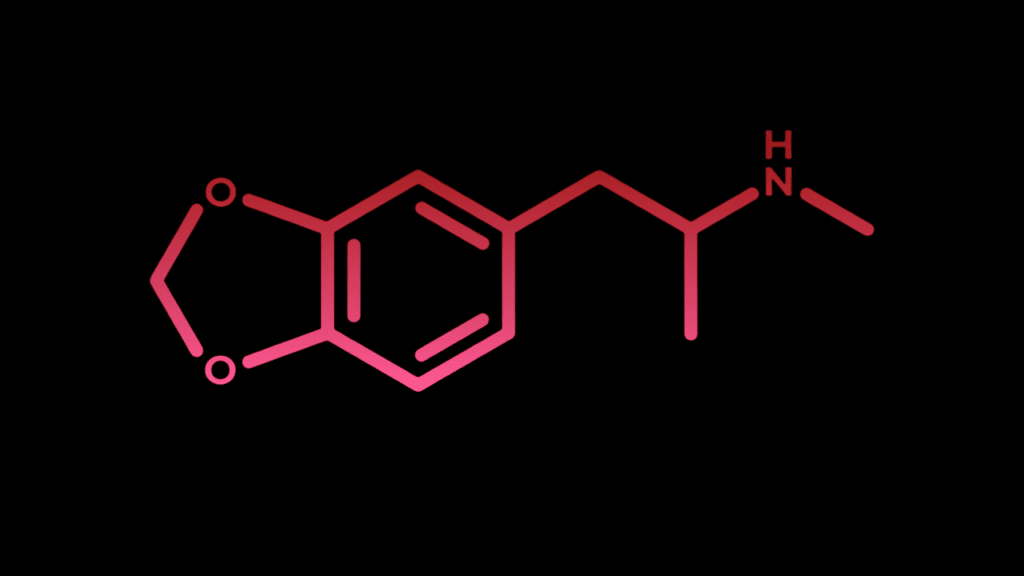
That 95% difference is truly resolved in the chemistry. The MDMA analogue has the same core structure but a minimal modification that results in a subtly different metabolism in your body. Where the difference really comes into play is in dopamine.
Regular MDMA causes a massive dopamine surge. This is why recreational use can feel so addictive. Dopamine also regulates your motivation, so after an MDMA session, many users feel apathetic—the infamous "Tuesday slump.".
MDMA analogue, on the other hand, contains the same serotonin activation that is truly therapeutic, but causes much less dopamine depletion. This is the major advantage for therapy. You get all the benefits of emotional openness and deeper insights, without that follow-up day of depression and fatigue.
What I see in sessions: people who use MDMA analogue report much more frequently that they can still function usefully the day after. They still feel good, they feel supported, and they can integrate their insights. With regular MDMA, this was much more difficult.
The longer duration of action mentioned by Marcel is also therapeutically beneficial. Instead of a sharp peak followed by a drop, with an MDMA analogue you have a slower build-up and a slower tapering off. This makes it much easier to remain in therapeutic work.
For anyone considering psychedelic therapy: MDMA analogue is truly the preferred choice for therapeutic settings. It offers the same emotional openness, but with much better maintenance of your emotional chemistry.