10 February 2025 17:47
Topic starter
1

Is serotonin a happiness hormone? And what others are there?
3 Answers
2
15 February 2025 14:34

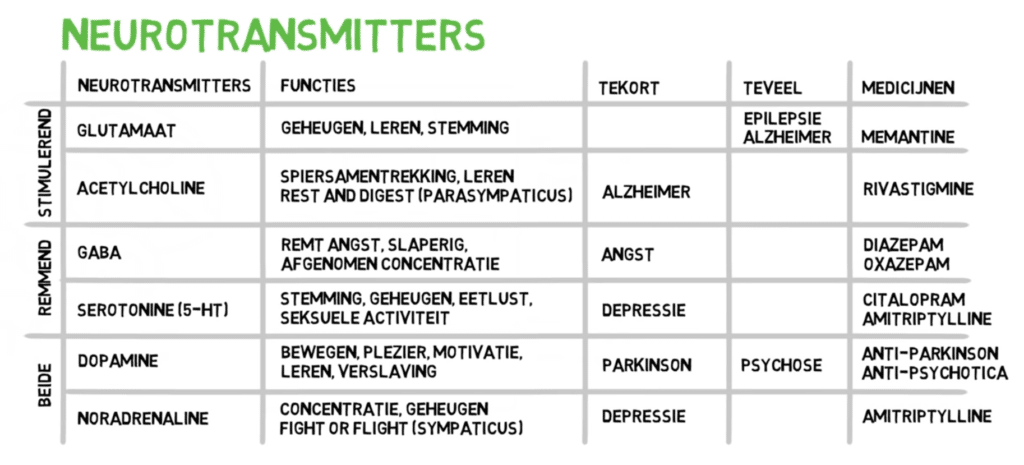
Serotonin It is often colloquially referred to as the “happiness hormone,” but this is a simplification. It functions in the brain serotonin primarily as a neurotransmitter that contributes to the regulation of mood, sleep, appetite, and memory. It promotes a sense of calm and stability, and a deficiency is often associated with depressive symptoms and anxiety. The level of serotonin in the brain depends partly on diet (such as tryptophan-rich foods), exercise, and exposure to sunlight.
In addition to serotonin, there are a number of other key substances that together form the “happiness cocktail” in the brain. Dopamine is a crucial neurotransmitter in the reward system. When we experience pleasure or achieve goals, dopamine is released in the nucleus accumbens, which generates feelings of motivation and reward. This signal motivates us to repeat behavior that is perceived as pleasant, but an imbalance can lead to addictive behavior.
Oxytocin, often referred to as the “cuddle hormone”, plays an important role in social bonding and trust. It is released during physical touch and intimate interactions, and promotes feelings of connection and empathy. In therapeutic settings, oxytocin is also used to reduce stress and strengthen social relationships.
Endorphins are the body's natural painkillers. These opioid neurotransmitters are released during intense physical exertion or laughter and cause a euphoric feeling, often experienced as a “runner’s high”. Endorphins also reduce pain and stress, and contribute to a general sense of well-being.
In addition, there is anandamide, an endocannabinoid involved in regulating mood, appetite, and pain. Anandamide promotes feelings of relaxation and mild happiness and works in a way similar to that of cannabis, without the psychoactive side effects of external substances.
Also plays GABA (gamma-aminobutyric acid) plays an important role in the brain, albeit as the main inhibitory neurotransmitter. GABA provides a calming effect and helps limit excessive neural activity, which is essential for anxiety reduction and a relaxed mood.
Finally, influences norepinephrine (noradrenaline) our alertness and the stress response. Although this substance is primarily associated with activating the “fight-or-flight” mechanism, it also contributes to the regulation of mood and concentration.
These neurotransmitters and neuromodulators work closely together in a delicate balance to regulate our emotions, motivation, and cognitive functions. Disruption of this balance, such as a deficiency or excess of one of these substances, can lead to a wide range of psychological complaints. The approach of Triptherapie.nl and Tripforum.nl emphasizes that a healthy lifestyle – with attention to nutrition, exercise, and social interaction – is essential for maintaining this balance in the brain.
1
4 August 2025 11:19

Serotonin is often called the “happiness hormone” mentioned, but that is actually a simplification. Serotonin is a neurotransmitter which plays an important role in regulating mood, sleep, appetite, memory, and social behavior. When your serotonin levels are well balanced, you often feel calm, stable, and emotionally resilient. With a deficiency, depressive feelings, anxiety, or irritability are more likely to occur.
But happiness and well-being are not determined by a single substance. Your brain works with a whole cocktail of happiness molecules, which each make their own contribution to your emotional experience. Here are the most important ones:
-
Dopamine – the reward and motivation hormone. Released when experiencing or anticipating pleasure, for example when achieving a goal or enjoying food or sex.
-
Oxytocin – the cuddle hormone. Is produced during physical touch, loving relationships, and social connection. Strengthens trust and empathy.
-
Endorphin – natural painkiller and euphoria booster. Released during intense exercise, laughing, or listening to music, and helps reduce stress.
-
Anandamide – a naturally occurring endocannabinoid that provides relaxation and a mild feeling of happiness.
-
GABA – the inhibitory neurotransmitter that helps reduce tension and overstimulation, important in combating anxiety.
-
Norepinephrine (noradrenaline) – helps with alertness, focus, and mood, especially in stressful situations.
Both on Triptherapie.nl as on the Tripforum It is emphasized that these substances work together and that an imbalance between them can lead to psychological complaints. Therefore, with Triptherapie, the goal is not only to gain insights during a psilocybin session, but also for the brain to support neurochemically — through diet, supplementation, exercise, and of course the psychedelic experience itself.
Would you like to know how your happiness molecules are in balance and whether a session can help you improve that balance? Then you can, without obligation, intake for trip therapy to fill in.
0
15 February 2025 14:33
Serotonin is indeed often referred to as the "happiness hormone," but this simplification requires nuance. As a neurotransmitter and hormone, it plays a central role in mood regulation, but the feeling of happiness is determined by a complex interplay of multiple neurochemicals. In addition to serotonin, dopamine (reward system), oxytocin (social bonding), and endorphin (pain modulation) are crucial players. This analysis integrates pharmacological, psychological, and sociological perspectives to explain the interactions and clinical relevance of these substances.
Neurotransmission and Hormonal Regulation of Happiness
Definition and Mechanisms of "Happiness Hormones""
The term "happiness hormone" is a popular name for substances that mediate emotional well-being via specific receptor interactions. Serotonin (5-HT) dominates this discourse, but never works in isolation.. The spectrum of action includes:
-
Synaptic modulationSerotonin regulates signal transmission between neurons in the prefrontal cortex and the limbic system.
-
Hormonal signaling: As a paracrine hormone, it influences gastrointestinal motility and platelet aggregation
The distinction between neurotransmitters (local nerve communication) and hormones (systemic effects via the bloodstream) is crucial. Serotonin functions as both, which explains its unique position in emotion regulation..
Serotonin: The Multifunctional Mood Regulator
Biosynthesis and Physiological Role
90-95% of the body's serotonin is produced by enterochromaffin cells in the intestinal epithelium, with tryptophan from food (eggs, nuts, bananas) serving as a precursor.1. The blood-brain barrier allows only 2% of peripheral tryptophan to pass through, which highlights vulnerability to nutritional deficiencies..
Clinically, serotonin deficiency manifests via:
-
Increased impulsivity and aggression (linked to 5-HT1B receptors)
-
REM sleep dysregulation (interaction with melatonin synthesis)
-
Irritable bowel syndrome (peripheral 5-HT3/4 receptor activity)
Serotonin and Subjective Well-being
SSRIs (selective serotonin reuptake inhibitors) increase synaptic 5-HT levels, but their antidepressant effect is delayed by 2–4 weeks. This suggests that acute serotonin elevation is insufficient for feelings of happiness—adaptive receptor downregulation and neurogenesis are essential secondary mechanisms..
Research shows that social recognition and status enhance serotonergic activity in the dorsal raphe nucleus, which explains why group membership induces mood improvement..
Other Crucial Happiness Mediators
Dopamine: The Reward Molecule
Dopamine (DA) operates primarily in the mesolimbic pathway (ventral tegmentum → nucleus accumbens). Its functions include:
-
Anticipation of reward (not the reward itself)
-
Motivation reinforcement via D2 receptor agonism
-
Motor control (substantia nigra → striatum)
Addictive mechanisms arise when DA release becomes coupled to maladaptive stimuli (drugs, gambling). The half-life of DA is only 2-3 minutes, which explains the urge for repeated exposure.2.
Oxytocin: Social Bonding Agent
Produced in the hypothalamus, oxytocin modulates:
-
Mutual trust (increased amygdala inhibition)
-
Parent-child bonding (via nucleus accumbens DA release)
-
Stress resistance (reduces HPA axis activity)
Physical contact increases oxytocin by 15-30%, while digital communication has no measurable effect. This underscores the importance of physical socialization for emotional health..
Endorphin: Endogenous Opioid Regulator
Endorphins (β-endorphin, enkephalins) act via μ-opioid receptors (MOR):
-
Pain suppression (inhibition of C-fiber transmission)
-
Euphoria during endurance exercise ("runner's high")
-
Immunomodulation (increased NK cell activity)
Interestingly, placebo analgesia for 36% is mediated by endorphin release, which illustrates psychosomatic interactions..
Secondary Modulators and Synergisms
GABA and Glutamate: The Excitatory/Inhibitory Balance
Although not primary happiness hormones, GABA (inhibitory) and glutamate (excitatory) influence the net activity of the above systems:
-
GABAergic medication (benzodiazepines) enhance DA release
-
Glutamate antagonists (ketamine) induce rapid antidepressant effects
Cortisol: The Stress Counterpart
Chronic cortisol elevation (via CRH-ACTH cascade) inhibits:
-
Hippocampal 5-HT1A receptors (depression risk +35%)
-
DA synthesis in the VTA (anhedonia)
-
Oxytocin receptor expression (social withdrawal)
Practical Implications for Neurochemical Well-being
Nutrition and Supplementation
-
Tryptophan-rich diets: 250-425 mg/day increase serotonin with 12-15%
-
Tyrosine (DA precursor): 500 mg twice daily strengthens cognitive flexibility
-
Omega-3 fatty acids: DHA modulates 5-HT2A receptor sensitivity
Behavioral interventions
-
Facial expressions: Grinning increases DA by 7% via facial feedback
-
Exposure to nature: 20 min forest walk reduces cortisol by 15%
-
Social contact: 8-second hug increases oxytocin by 22%
Conclusion
Serotonin is a key player in emotional regulation, but the concept of the "happiness hormone" requires a network perspective. Dopamine (anticipation), oxytocin (connection), and endorphin (euphoria) together form a dynamic system in which imbalance leads to psychopathology. Future research should focus on personal neurochemical profiling via saliva measurements of cortisol/oxytocin ratios and qEEG-based serotonergic activity patterns.