Is MDMA therapy mo...
 

[Solved] Is MDMA therapy possible in combination with Cobicistat?

1 posts
2 users
1 Reactions
873 views
0
[#872]
Topic starter

Is MDMA therapy possible in combination with Cobicistat?

Cobicistat works by inhibiting an enzyme in the liver called CYP3A. This enzyme is responsible for the breakdown of many medications, including HIV medications. By inhibiting CYP3A, cobicistat slows down the breakdown of HIV medications, allowing them to remain in the bloodstream longer and work better.

Cobicistat itself has no effect against HIV, but helps the HIV medications atazanavir, darunavir, and elvitegravir work better. Cobicistat is always prescribed together with these HIV medications.

The effect of Cobicistat:

  1. Cobicistat is often taken together with HIV medications.
  2. Cobicistat binds to CYP3A in the liver.
  3. This prevents CYP3A from breaking down the HIV medication.
  4. The HIV medications remain in the bloodstream longer.
  5. The HIV medications are more effective.


Can MDMA be taken with Cobicistat?

There are no hard facts we can present, but it appears that there is no direct interaction with Cobicistat on its own. MDMA has a very limited influence on CYP3A enzymes and is not expected to cause any dangerous interactions. However, Cobicistat is never used in isolation, and potential interactions between other medications and MDMA must also be considered. Therefore, more research into the medication is needed before starting. MDMA therapy.

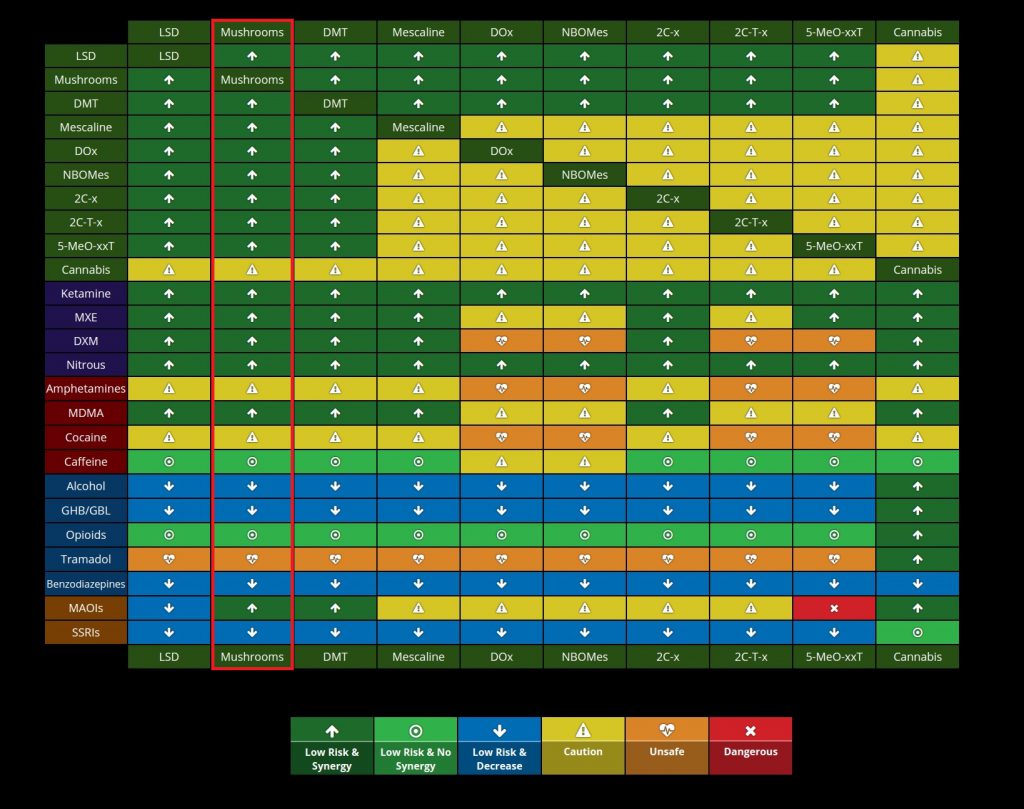
More information: MDMA therapy | Psychedelics and medication
https://triptherapie.nl/wp-content/uploads/2019/02/psychedelica-combineren-met-drugs-en-medicatie-1024x809.jpg


1 Answer
1

A direct interaction between MDMA and Cobicistat Based on current knowledge, it does not appear to be likely to be dangerous. Cobicistat works by affecting the enzyme. CYP3A to inhibit in the liver, which enhances the effect of certain HIV medication by slowing down breakdown. MDMA has only limited interaction with this enzyme, meaning a significant interaction between the two substances is not expected.

Cobicistat is a pharmacokinetic “booster” that primarily strongly inhibits CYP3A4 and also weakly inhibits CYP2D6. In humans, MDMA is largely (roughly 75 %) metabolized via CYP2D6-mediated O-demethylation (→ 3,4-dihydroxymethamphetamine) and subsequently further converted via COMT and UGT/SULT pathways. Reduced CYP2D6 activity (for example, by Cobicistat) leads to slightly higher MDMA plasma concentrations and reduced forms of the inactive metabolite HMMA.

Because Cobicistat inhibits CYP2D6 only weakly, the effect on MDMA clearance will be smaller than with strong inhibitors (such as paroxetine), but still present. This can result in:

  • Elevated MDMA blood levels: possible increase of several tens of percent in the AUC.
  • Reduced HMMA formation: decrease in metabolite levels by several tens of percent.
  • Minimally increased toxicity risks: The risk of MDMA-associated cardiovascular (tachycardia, hypertension) and neurotoxicity (serotonin syndrome, hyponatremia) may increase slightly.

Again, because Cobicistat has only a minimal effect on CYP2D6 inhibition, no problems are generally expected.

However, there is an important caveat: Cobicistat is never used alone, but always in combination with HIV medication such as atazanavir, darunavir or elvitegravir. These substances can interact with MDMA, potentially slowing down the breakdown of MDMA. This can lead to increased exposure to MDMA in the body, which may increase risks such as overheating, hypertension, or serotonin syndrome.

Marcel rightly states that there are no firm conclusions can be drawn without a detailed analysis of the complete medication list. A thorough medical assessment is therefore essential. before you start MDMA therapy in combination with Cobicistat and HIV medication.

Additional considerations and recommendations:

To ensure greater certainty, the following points are recommended for consideration.

  1. Avoid the combination If possible, plan MDMA sessions in consultation with the HIV treatment provider and any discontinuation (or switch) of Cobicistat until after completion of MDMA therapy.

  2. If non-removable, consider MDMA dose reduction and strict monitoring of cardiovascular function, electrolytes, and mental status.

  3. Consultation specialist: consult with a clinical pharmacologist or pharmacist specialized in HIV therapy and psychiatric pharmacotherapy.