10 July 2024 17:27
Topic starter
1

What does blood pressure do during an LSD session?

11 July 2024 14:02
What does blood pressure do during an LSD session?
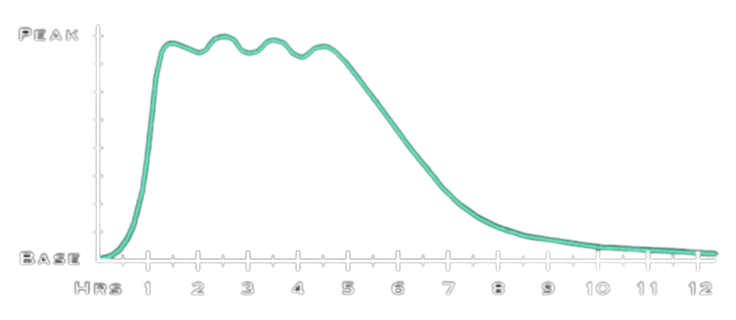
LSD can cause an increase in blood pressure at the beginning of the trip. This increase is usually mild and typically does not cause serious problems. As the LSD wears off, blood pressure may return to normal or even be lower than normal. However, it is also possible that blood pressure remains slightly elevated throughout the entire trip. The use of LSD by people with heart and blood pressure problems should be done with caution. Always consult your doctor if you have heart or blood pressure problems.
More about: How LSD works
1 Answer
0
6 June 2026 15:12

LSD usually causes a mild to moderate, temporary increase in blood pressure and heart rate, particularly during the early part of the session. In healthy people, these changes generally remain within a safe range in clinical studies, but at higher doses and/or in the presence of cardiovascular disease, the risks may be greater
General trend during an LSD session
-
Dutch information websites describe the main physical symptoms of LSD as dilated pupils, a slight increase in heart rate and a rise in blood pressure.
-
Pharmacological reviews paint the same picture: LSD can raise blood pressure, heart rate and body temperature, but the physiological effects are generally considered to be relatively mild to moderate in healthy subjects.
Dose and time course
-
At low doses (similar to microdoses, around 10–20 µg), studies show little or no clinically relevant change in blood pressure and heart rate; sometimes there is only a slight increase in systolic blood pressure.
-
At “full” psychedelic doses (approximately 100–200 µg), both systolic and diastolic blood pressure and heart rate increase markedly, peaking around 1 hour after ingestion and gradually returning to baseline levels over approximately 10–12 hours.
How significant are the changes?
-
In safety studies involving healthy volunteers, the effects were described as “moderate”; for example, in one safety study, systolic blood pressure did not exceed 180 mmHg in any participant following LSD administration, which was defined in that protocol as the threshold for severe hypertension.
-
Protocol descriptions for clinical LSD studies assume that an increase in blood pressure and mild tachycardia are to be expected and therefore monitor these parameters repeatedly, intervening only in the event of significant deviations (for example, >180/120 mmHg or >220 mmHg systolic).
The mechanism in brief
-
Among other things, LSD acts as an agonist on 5-HT2A-receptors in blood vessels, which can cause peripheral vasoconstriction and thereby raise blood pressure.
-
The sympathomimetic effects (activation of the sympathetic nervous system) result in a faster heart rate and a slight increase in blood pressure, similar to other classic psychedelics, although these effects are usually milder than those seen with typical stimulants.
Risks and contraindications
-
Medical reviews emphasise that the most common physical side effect of classic psychedelics (LSD, psilocybin) is an increase in blood pressure and heart rate, which is well tolerated by most healthy people.
-
For people with untreated or poorly controlled hypertension, severe cardiovascular disease, aneurysms or other vascular problems, this temporary spike in blood pressure can indeed be risky; in such cases, the use of traditional psychedelics is generally not recommended or is only considered under strict medical supervision.
Useful for sessions in a therapeutic setting
To ensure a safe environment outside of a strictly controlled clinical setting, the following applies: screen for hypertension and cardiovascular disease beforehand; take baseline measurements; check blood pressure and heart rate regularly during the peak phase (the first few hours); and seek immediate medical assistance if symptoms such as severe headache, chest pain, severe anxiety or neurological symptoms, seek medical assistance immediately.