14 November 2024 15:53
Topic starter
0

In what way does 3-MMC work the same as MDMA?

17 November 2024 11:41
In what way does 3-MMC work the same as MDMA?
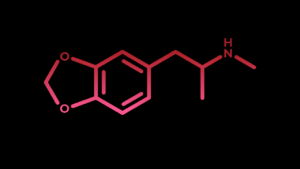
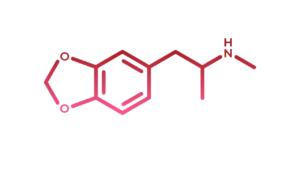
Just like MDMA, which increases the release of neurotransmitters such as serotonin, dopamine, and norepinephrine, 3-MMC can also influence these neurotransmitters. MDMA works by binding to monoamine transporters, leading to an increased release of serotonin and dopamine into the synaptic cleft. This results in feelings of euphoria, empathy, and heightened sensory perception.
3-MMC has a similar mechanism of action and can stimulate the release of serotonin and dopamine, leading to similar psychological and physiological effects. Based on user experiences, it appears that 3-MMC releases more dopamine than MDMA. This may explain the differences in experiences. Both substances can induce feelings of connectedness and increased social interaction, making them attractive for recreational use and therapeutic applications.
The exact mechanisms of action and safety of 3-MMC have not yet been investigated as extensively as those of MDMA. Long-term use of MDMA carries risks such as depression, anxiety, and memory problems, and it is possible that 3-MMC also poses similar risks. However, this needs to be further established in scientific research. For the time being, it does appear that 3-MMC is more harmful than MDMA due to reports of poisonings with this substance.
At Triptherapie we do not use 3-MMC but a MDMA analogue that is legal and has similar effects to MDMA, but with some differences in duration of action and neurotoxicity. This makes it possible to harness the therapeutic benefits of MDMA without the legal and health risks associated with the use of illegal substances.