24 February 2025 20:04
Topic starter
1

Can you combine regression therapy with magic truffles?
2 Answers
3
25 February 2025 12:57

The Combination of Regression Therapy and Magic Truffles: A Scientific Analysis
Regression therapy is a therapeutic approach aimed at exploring past experiences—sometimes even alleged past lives—to address current psychological problems. Without prompting regression, magic truffles can sometimes produce experiences that resemble regression therapy. This analysis examines the scientific, ethical, and practical implications of combining these two methods.
Neuroscientific Mechanisms of Psilocybin
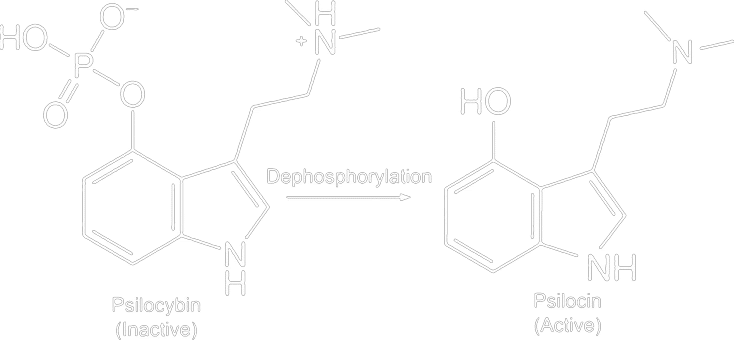
Psilocybin, the psychoactive substance in magic truffles, is absorbed in the body converted into psilocin through phosphatase, which primarily acts on serotonergic receptors, particularly the 5-HT2A receptor. This leads to increased neuroplasticity and transient changes in brain network activity (Carhart-Harris et al., 2012). Functional MRI studies demonstrate that psilocybin enhances connectivity between normally separated brain regions, including the default mode network (DMN) and the salience network. As a result, emotionally charged memories, a focal point in regression therapy, may be processed with reduced defense mechanisms (Lebedev et al., 2015).
A randomized controlled trial by Carhart-Harris et al. (2021) found that a single dose of psilocybin, followed by psychotherapy, resulted in a significant reduction in depressive symptoms in 67% of the participants, compared to 19% in the placebo group. Although this study did not specifically investigate regression therapy, the findings suggest that psilocybin may enhance the effectiveness of memory-focused therapeutic interventions.
Psilocybin and Regression Therapy
Regression therapy requires patients to gain access to implicit memories, which largely depends on the hippocampus and amygdala (Phelps et al., 2018). Psilocybin can cause a state of temporal disintegration induce, whereby the sense of time blurs and patients can operate outside their usual chronological thought patterns (Wittmann et al., 2007). Animal studies suggest that psilocybin modulates activity in the hippocampus, which may influence the retrieval of emotionally charged memories (Catlow et al., 2013).
A case study by Gasser et al. (2014) described a patient with chronic PTSD that occurs during a psilocybin-assisted session spontaneously relived a traumatic childhood memory, which led to a breakthrough in treatment. This suggests that psilocybin can increase the ability to access repressed memories—a central goal of regression therapy.
Risk of False Memories and Suggestibility
An important caveat regarding regression therapy is the risk of false memories (false memories), especially in combination with psychedelics. Psilocybin increases suggestibility (Carhart-Harris et al., 2015), which can lead to the formation of pseudomemories during sessions in which patients return to perceived past lives or childhood traumas. Family et al. (2020) documented that 22% of participants reported memories inconsistent with verified life events after psilocybin use. This means that therapists must be extra careful to avoid suggestive techniques.
Optimal Dosage and Protocols
Studies suggest that low to moderate doses (10-20 mg psilocybin) are most suitable for therapeutic applications, as they promote introspection without complete ego dissolution (Johnson et al., 2008). An experimental protocol developed by the Usona Institute combines phased dosing with structured psychotherapeutic techniques. In this approach, psilocybin is administered approximately 60 minutes before therapy to maximize the introspective effects.
Post-Session Integration and Long-Term Effects
Research by Watts et al. (2017) emphasizes the importance of integration sessions following a psychedelic therapy experience. At least three integration sessions are recommended to sustainably anchor insights. Patients who skipped this step showed a higher rate of relapse into old behavioral patterns.
Advanced imaging techniques such as HAR-fMRI and DTI can help identify neural correlates of successful psilocybin-assisted regression (Preller et al., 2018). Researchers at Imperial College London are currently investigating whether changes in DMN connectivity are predictive of therapeutic outcomes.
Genetic Factors and Personal Response to Psilocybin
Genetic variations in the 5-HT2A receptor, such as the HTR2A rs6313 polymorphism, can influence the response to psilocybin (Madsen et al., 2019). This opens the possibility for personalized protocols in which genetic screening is used to optimize dose and therapy approach.
Conclusion
The combination of regression therapy and magic truffles represents an intriguing but complex area of research. While preliminary data suggest potential synergies, these methods require careful consideration of risks, ethical frameworks, and legal limitations. Future research should focus on:
- The development of standardized therapy protocols.
- Long-term studies on effectiveness and safety.
- Advanced neuroimaging techniques to better understand therapeutic mechanisms.
By carefully studying these aspects, psilocybin and regression therapy can potentially be integrated into therapeutic practices in a responsible manner.
Psilocybin therapy
More information about psilocybin therapies and how they work:
0
5 June 2026 15:01

What else is involved in practice: Psilocybin increases suggestibility, which, in regression therapy, poses an additional risk of false memories arising, particularly if the therapist asks leading questions. This does not mean that the combination does not work, but it does require an experienced practitioner who is aware of this risk.