9 November 2024 11:10
Topic starter
0

Can you replenish your serotonin with magic mushrooms?
2 Answers
0
4 July 2025 09:52

In the short term
The use of magic mushrooms (psilocybin) can temporarily increase the excitation of serotonin receptors. This can help push negative feelings stemming from a serotonin deficiency into the background. During a psilocybin trip, activity in the frontal lobe of the brain can be increased, which can contribute to an improved mood and a sense of well-being. However, it is important to emphasize that these effects are temporary and that a healthy lifestyle, including diet and supplements, is essential for the long-term support of serotonin levels in the body.
In the long term
According to a new theory, the use of magic mushrooms, truffles, or psilocybin may also increase serotonin levels in the long term. This could be due to the reduction of inflammation levels and the introduction of psychedelics with a structure containing tryptophan, which normally has great difficulty crossing the blood-brain barrier.
Lowering inflammation levels through psilocybin can increase serotonin levels through various interconnected mechanisms. Inflammation in the body can lead to increased serotonin breakdown and decreased production. When inflammation levels are high, such as in the presence of cytokines like TNF-alpha and IL-6, this can disrupt the neurotransmitter balance, resulting in lower serotonin production.
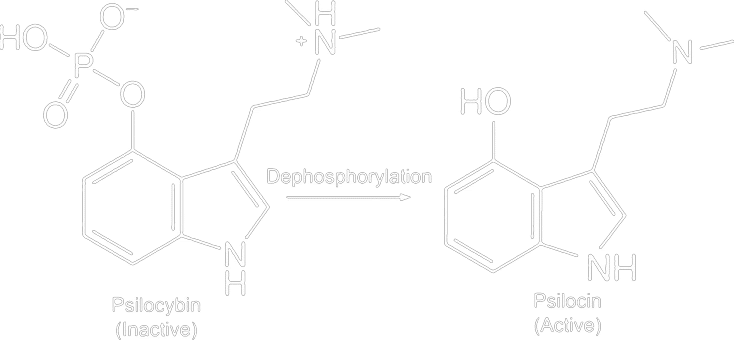
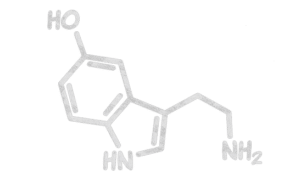
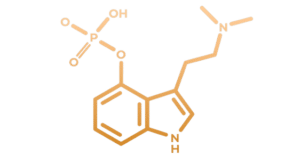
Psilocybin is converted by the body into psilocin before it reaches the brain. The breakdown products of psilocin can serve as a basis for the production of serotonin. After the breakdown of psilocin, the residues or breakdown products can potentially be converted into substances involved in the synthesis of serotonin. Psilocin is structurally similar to serotonin, and this can help to increase the availability of serotonin in the brain, especially in individuals with low serotonin concentrations. The use of psilocybin may therefore be a way to facilitate the supply of serotonin-like substances. Through this indirect mechanism, psilocybin may contribute to the production of serotonin in the brain. The latter is currently only a theory and requires further investigation.
Blogs with serotonin



1
4 July 2025 09:57

Yes, magic mushrooms can indirect contribute to replenishing or restoring serotonin, but they do not directly replenish serotonin.
Psilocybin, the active ingredient in magic mushrooms, can reduce inflammation in the body. Normally, inflammation causes tryptophan, the building block of serotonin, to be diverted to an alternative route (the so-called kynurenine pathway). When psilocybin inhibits inflammation, more tryptophan becomes available for the production of serotonin.
In addition, psilocybin can improve the sensitivity of serotonin receptors. Reduced inflammation ensures that these receptors function better again, which increases the effectiveness of serotonin in the brain.
Psilocybin also plays a role in processing stress and trauma. Persistent stress can disrupt serotonin levels, but magic mushrooms can accelerate this process and thus contribute to the recovery of the serotonin system.
However, it is important to emphasize that psilocybin does not produce serotonin, nor does it replenish serotonin stores like 5-HTP supplements do. Moreover, serotonin is actually consumed in excess during a trip, making aftercare and recovery essential.
In summary: magic mushrooms do not directly replenish serotonin, but can indirectly support the recovery of serotonin levels, among other things through anti-inflammatory effects, stress relief, and improved tryptophan utilization.