24 February 2025 19:20
Topic starter
1

Can you trip on truffles without having visual effects?
3 Answers
1
25 February 2025 16:04

Experiencing little to no effects when using psychedelic substances such as truffles or MDMA can have various causes. Below, we discuss some possible factors and offer suggestions to optimize the experience.
Aphantasia
Aphantasia is a condition in which a person has difficulty recalling mental images. While this can affect the ability to create visual representations during daydreaming or recalling, it does not necessarily mean that psychedelic substances have no effect. During a psychedelic experience, visual hallucinations are primarily caused by the stimulation of 5-HT₂A receptors in the visual cortex. This process does not depend on the voluntary recall of images, which is why most people with aphantasia can still experience visual effects during a trip. Aphantasia may slightly reduce the intensity of the experience, but does not exclude it.
Purity and Dosage of the Substance
The effectiveness of psychedelic substances depends heavily on their purity and freshness. Aged or improperly stored truffles can have a reduced concentration of active substances, leading to a weaker experience. It is therefore essential to use high-quality substances from reliable sources.
Individual Biochemistry and Receptor Sensitivity
Everyone reacts differently to psychedelic substances, partly due to variations in biochemistry and receptor sensitivity. Factors such as genetics, diet, and general health can influence how intensely someone experiences a trip. A deficiency in omega-3 fatty acids, for example, can affect the structure and function of cell membranes, which can lead to less sensitive serotonin and dopamine receptors. Supplementing these fatty acids can contribute to better neurotransmission and more intense experiences.
Enzymatic Degradation by MAO
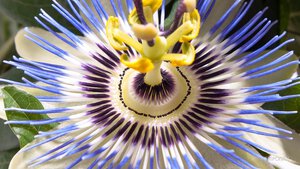
Monoamine oxidase (MAO) is an enzyme responsible for the breakdown of neurotransmitters and certain psychedelic substances. Increased MAO activity can cause these substances to be metabolized more rapidly, resulting in less intense or shorter-lasting effects. Using natural MAO inhibitors, such as passionflower, prior to a session can slow down breakdown and enhance the experience. However, this should be done with caution and under expert supervision.
Cross-tolerance and Interactions with Other Substances
Frequent or recent use of certain substances can lead to cross-tolerance, whereby the effectiveness of psychedelics is reduced. Substances such as THC (from cannabis), melatonin, and tyramine can affect receptor sensitivity and thus lower the intensity of a trip. It is advisable to minimize the use of such substances in the period leading up to a psychedelic session.
Medication and Psychedelic Experiences
Certain medications, such as SSRIs, benzodiazepines, and antipsychotics, can dampen or even completely block the effects of psychedelics. These medications affect the serotonergic system, altering the interaction with psychedelic substances. It is important to always discuss medication use with an expert before considering a psychedelic session.
Liver Function and Metabolism
The liver plays a crucial role in the breakdown and metabolism of psychedelic substances. Individual variations in liver enzymes can influence the speed and efficiency of these processes, resulting in stronger or weaker experiences. Healthy liver function contributes to a more predictable and intense trip.
Recommendations for a More Optimal Experience
- Quality and Dosage: Ensure you use fresh, high-quality truffles and determine an appropriate dosage in consultation with an expert.
- Diet and Supplements: Consider supplementing with omega-3 fatty acids and maintaining a healthy diet to optimize receptor sensitivity.
- MAO Inhibitors: The use of natural MAO inhibitors, such as passionflower, can enhance the effects, but this should always be done under supervision.
- Avoid Interactions: Limit the use of substances that can cause cross-tolerance in the run-up to the session.
- Medical Advice: Consult a professional if using medication that may affect the experience.
- Liver health: Maintain a healthy lifestyle to support liver function.
By taking these factors into account and preparing well, you can increase the chance of a profound and meaningful psychedelic experience.
Reading suggestions:
- Little to no effect from truffles and MDMA | Explanation & tips
- Watching movies during a magic mushroom trip
- Hippie Trip – Q&A
1
5 February 2026 20:02

It is indeed possible that people experience almost no visual effects, even at high doses of psilocybin. This seems to occur primarily in people with atypical neurochemistry and/or a history of medication use. Especially after long-term use of SSRIs, it sometimes happens that truffles or magic mushrooms have a less potent effect. This could be related to the downregulation of serotonergic receptors. In that case, it would be beneficial to work on developing more sensitive receptors by adjusting the diet, along with supplementation of the right omega-3 variants.
1
2 March 2026 09:18

Although most people see colored patterns or distortions during a truffle session, there are exceptions. The not Experiencing visual hallucinations or a weak trip can have various causes. This explanation provides the scientific background of psilocybin, possible reasons for a poor response, and practical tips to optimize the experience.
How psilocybin causes visuals
Psilocybin from the truffles is converted into psilocin in the liver. Both substances primarily activate the 5‑HT2A‑serotonin‑receptors in the cerebral cortex. Research shows that these receptors are densely present in brain regions responsible for learning and cognition.. The binding of psychedelics to 5‑HT2A‑receptors makes the brain less dependent on expectations and more on incoming sensory information, causing colors to become more intense and hallucinations to occur.. At higher doses, these receptors are activated more strongly, leading to deeper hallucinations.. Visual effects usually appear from “trip-level” 2 (intensity of colors and moving objects) and become pronounced from trip-level 3 and higher..
See also: Triple sheets
Possible causes for few or no visuals
Aphantasia and imagination
Aphantasia is the inability to conjure up mental images. People with this condition have difficulty daydreaming or remembering scenes. However, during a psychedelic experience, a large proportion of the hallucinations arise via bottom-up stimulation of the visual cortex. Although aphantasia can reduce intensity, these people do not have to remain without visuals..
Low quality or insufficient dosage
The concentration of psilocybin in truffles decreases due to aging or improper storage.. When someone uses aged truffles or takes too little, the 5‑HT2A‑stimulation becomes insufficient to induce visual hallucinations. Trip level 1 (microdoses) primarily results in vivid colors and an improved mood., while clear visuals only appear from trip levels 2 and 3.
Individual biochemistry and receptor sensitivity
Not everyone reacts the same way to psychedelics. Variations in genetics, diet, and general health determine how sensitive the brain receptors are.. A shortage of omega-3 fatty acids (DHA and EPA) can, for example, disrupt the structure of cell membranes, making serotonin and dopamine receptors less sensitive.. Supplementing omega-3 can contribute to better neurotransmission and more intense experiences..
Increased MAO activity (enzymatic degradation)
The enzyme monoamine oxidase (MAO) breaks down neurotransmitters and psychedelics. People with increased MAO activity metabolize psilocybin faster, causing less psilocin to reach the brain.. Natural MAO inhibitors, such as passionflower, can slow down the breakdown., but the use of such herbs must be done cautiously and under expert supervision.
Cross-tolerance and interactions with other substances
The use of certain substances can reduce sensitivity to psilocybin:
-
THC (cannabis): influences the endocannabinoid system and can modulate the response to psychedelics.
-
Melatonin: high levels can alter receptor processes and reduce sensitivity to psychedelics.
-
Tyramine: affects MAO and can alter tolerance.
Medication (SSRIs, benzodiazepines, antipsychotics)
Antidepressants and other psychoactive medications affect the serotonergic system and can dampen or block the effects of psychedelics.. Cchronic use of SSRIs (selective serotonin reuptake inhibitors) can lead to downregulation of 5‑HT2A‑receptors. As a result, people become less sensitive to psilocybin or other psychedelics..
A study in Neuropsychopharmacology reports that long-term antidepressant therapy in animals the head-twitch response (an indication of 5‑HT2A‑activation) reduces and that SSRIs downregulate 5‑HT2A‑receptors. The researchers note that the use of antidepressants in the weeks or months prior to a session can weaken the subjective effects of psilocybin..
Benzodiazepines increase GABA activity and calm the nervous system, reducing the intensity of the trip.. Antipsychotics directly block the 5‑HT2A‑receptor and can completely block the effects of psilocybin.. Anyone using such medications must consult a doctor before considering psychedelics.
Genetic variations (SERT, COMT, MTHFR)
Some people have genetic variations that affect serotonin levels. The SERT transporter removes serotonin from the synaptic cleft. People with the 5‑HTTLPR‑“short” variant have less SERT; this can lead to increased serotonin levels and adaptation (downregulation) of 5‑HT2A‑receptors..
It COMT gene codes for the enzyme that breaks down dopamine. The Met/Met variant results in less COMT activity, causing dopamine to remain active longer. This can lead to stronger emotional effects; the Val/Val variant, on the other hand, can provide a more tempered experience..
It MTHFR gene is essential for folate metabolism and the production of neurotransmitters. Polymorphisms such as C677T reduce enzyme activity and can decrease serotonin synthesis.. These genetic factors cannot be changed, but they can explain why some people react differently.
Liver function and metabolism
The liver converts psilocybin into psilocin and subsequently breaks it down. Variations in CYP enzymes or impaired liver function influence how quickly the substance is metabolized and how long it remains active. Genetic variants such as CYP2D6 or CYP3A4 can cause someone to metabolize psilocybin faster or slower.. Overloading the liver due to alcohol or medication can make the trip unpredictable..
Tolerance and downregulation
Repeated stimulation of the same receptors leads to downregulation (fewer receptors or reduced sensitivity). This occurs with frequent use of psychedelics or amphetamines.. People who frequently use truffles or other psychedelics will notice that the same dose has less effect. The body restores receptor sensitivity after a few days; therefore, it is recommended to wait at least one to two weeks between sessions.
Set, setting and mindset
In addition to biochemical factors, the psychological context plays a major role. Stress, anxiety, or poor preparation can suppress the effects of psilocybin or distract from visual perception. A safe, comfortable environment and an open attitude help deepen the experience. Environmental stimuli such as music or art, on the other hand, can enhance visuals.
Source: Triptherapie article about little effect from psychedelics
Tips to optimize the experience
-
Choose high-quality, fresh truffles: use truffles from reliable sources and check the freshness.
-
Determine the correct dosage: microdoses (0.5–1 g) usually do not produce visuals; for strong hallucinations, higher trip levels are needed (3–5). Start low and increase carefully under supervision.
-
Nutrition and supplements: ensure sufficient omega-3 (DHA/EPA) for optimal receptor function. A healthy diet supports neurotransmission.
-
Avoid cross-tolerance: limit the use of cannabis, melatonin, or tyramine-rich foods in the days before the session.
-
Be aware of medication: consult a doctor about antidepressants, benzodiazepines, or antipsychotics. Chronic SSRI therapy can significantly weaken the experience.
-
Consider (under supervision) mild MAO inhibitors: herbs such as passionflower can lower MAO activity and enhance the experience. Do this only with knowledge of contraindications.
-
Plan sufficient time between trips: give your body time to repair receptors (at least one to two weeks) to avoid tolerance.
-
Pay attention to liver health: limit alcohol, eat healthy, and avoid medications that put a heavy strain on the liver.
-
Create a safe set & settingPrepare yourself mentally and choose a comfortable space with familiar people. Add music or art to stimulate the visuals.
-
Professional guidance: guidance by an expert is recommended, particularly at higher dosages or when using antidepressants.
Conclusion
The absence of visuals during a truffle trip does not mean that psilocybin is not working. Visual effects are only one aspect of the psychedelic experience and depend on dose, body biochemistry, genetic factors, medication use, and environmental factors. Some people naturally have less sensitive receptors or increased enzyme breakdown, while others have downregulated their receptors due to long-term use of antidepressants.. By choosing good quality truffles, using the correct dose and preparation, and taking diet and medication into account, one can increase the chance of a profound and visually rich experience.