10 February 2025 18:51
Topic starter
0

What is hedonism and what helps with it?
2 Answers
2
15 February 2025 22:03

Hedonism is a philosophical movement that holds that pursuing pleasure and avoiding pain are the most important goals in life. The idea is that happiness comes from experiencing pleasure and satisfying desires. However, in the modern context, the pursuit of immediate gratification, such as through addictive substances or behaviours, can lead to a vicious cycle of dependency and dissatisfaction.
A psychedelic session, especially when combined with a dopamine detox beforehand, can help reveal true happiness. The dopamine detox helps reduce dependence on quick rewards, allowing the brain to reset and restore the balance between dopamine and serotonin. This creates a space for deeper connections and a sense of contentment that is not dependent on external stimuli.
During a psychedelic session, as with magic truffles, serotonin receptors are activated by psilocybin, which can lead to a sense of connection and less focus on the ego. This can help break the illusion of happiness that comes from external sources and instead experience an inner state of contentment and joy. So combining these two approaches can be a powerful way to discover true happiness that does not depend on temporary pleasures.
See also:
0
15 February 2025 22:22

Hedonism, a philosophical movement that regards pleasure and happiness as the highest goal of life, has inspired both admirers and critics over the centuries. This view of life, rooted in ancient Greece, holds that maximising pleasure and minimising pain is at the heart of human action. Hedonism, however, goes beyond superficial pleasures; it involves a complex interaction between psychology, ethics and social dynamics. This study highlights the historical evolution, philosophical nuances, neurobiological basis and practical applications of hedonism, while critically reflecting on contemporary implementations.
Historical and Philosophical Foundations of Hedonism
Etymological Origins and Early Developments
The term 'hedonism' takes its name from the Greek 'hèdonè' (pleasure), a term associated with the mythological goddess Hèdone. This philosophy did not emerge as a unified doctrine, but developed through dialectical debates between proponents of divergent conceptions of pleasure.
The Cyrenaic school, founded by Aristippos of Cyrene in the 4th century BC, emphasised immediate bodily pleasures as the ultimate truth. They argued that only the present moment offered certainty, and that delaying pleasure was irrational. However, this radical form of hedonism soon clashed with practical concerns about sustainable happiness.
Epicureanism: The Refined Hedonism
Epicurus (341-270 BC) introduced a revolutionary nuance by arguing for 'ataraxia' - a state of undisturbed peace of mind. Instead, his philosophy, often misinterpreted as mere pleasure, promoted moderation: "Pleasure is the beginning and the end of a happy life.". Epicurus distinguished three categories of need:
-
Natural and necessary (food, shelter)
-
Natural but non-essential (culinary refinement)
-
Unnatural and non-essential (fame, wealth)
By focusing on the first category, he believed he could achieve lasting happiness without falling into excesses. This approach laid the foundation for what is now called 'moral hedonism', in which ethical considerations temper the desire for pleasure.
Modern Philosophical Developments
In the 18th century, Jeremy Bentham reformulated hedonism as utilism, positing the 'greatest happiness for the greatest number' as a moral compass. His felicific calculus was an attempt to scientifically quantify pleasures using factors such as intensity, duration and certainty. John Stuart Mill refined this by introducing qualitative distinctions between pleasures, where intellectual pleasures were considered superior to merely physical.
Psychological and Neurobiological Foundations
The Neurochemistry of Pleasure
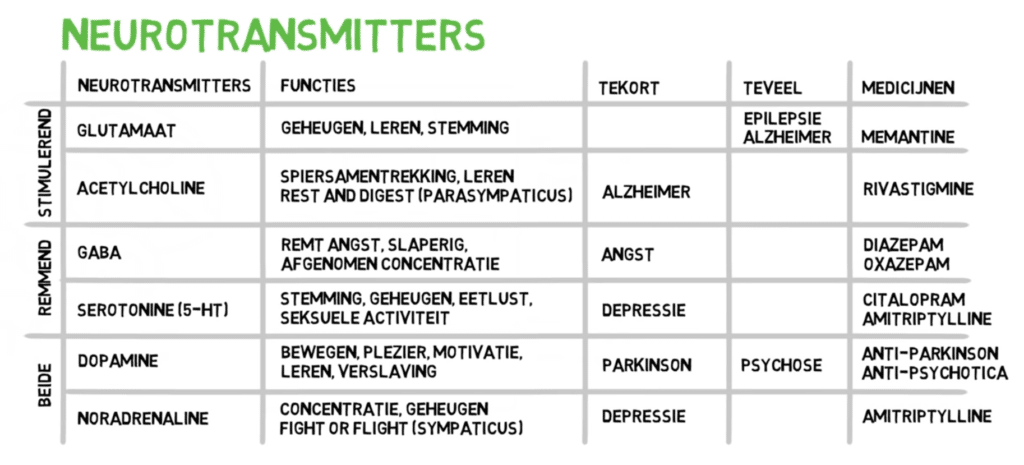
Hedonism finds its biological basis in the brain's reward system. Four crucial neurotransmitters modulate pleasure experiences:
-
Dopamine: Regulates anticipation of reward and motivation, active in novelty and goal-directed behaviour. See also: dopamine
-
Endorphin: Acts as a natural painkiller and euphoria inducer, released during physical exertion
-
Serotonin: Influences mood and self-esteem, linked to social status and connectedness. See also serotonin
-
Oxytocin: Facilitates social bonding and trust, crucial for interpersonal enjoyment
These neurochemical processes explain why hedonic practices have direct physiological effects. A study showed that social interactions can increase oxytocin levels with 50%, explaining the hedonistic preference for companionship.
Psychological vs. Moral Hedonism
The tension between immediate gratification and long-term happiness manifests itself in two main currents:
-
Psychological hedonism (Sigmund Freud): Focuses on unconscious drives and bodily pleasure principles. Freud's 'pleasure principle' argues that people primarily avoid pain and pursue pleasure, often at the expense of rational considerations.
-
Moral hedonism (Epicurus): Emphasises sensible pleasure choices that promote lasting well-being. This involves avoiding pain not only physically but also emotionally (fear, regret).
This dichotomy explains why hedonism can be associated with both debauchery and stoic self-control.
Practical Manifestations of Hedonism
Lifestyle characteristics of Hedonists
Empirical observations identify six typical behavioural patterns:
-
Spontaneity: 68% of hedonists prefer unforeseen activities to tight planning
-
Experiential focus: Investing in experiences (trips, events) over material acquisition
-
Social selectivity: Qualitative relationships are prioritised over quantitative social networks
-
Sensory refinement: Increased focus on gastronomy, aesthetics and tactile experiences
-
Time perception: Strong focus on the 'now', with cognitive strategies to minimise future anxiety
-
Autonomy: 73% values social conventions less than personal preferences
A case study among Amsterdam hedonists showed that this lifestyle leads on average to 23% higher subjective well-being scores, but also to 17% more frequent financial irregularities.
Hedonism in Working Spheres
Modern applications of hedonism in professional contexts include:
-
Passion-oriented career choices: Individuals select jobs that offer intrinsic joy, often at the expense of status or salary
-
Micro pleasures during work: Incorporate brief moments of pleasure (music, social interactions) to increase productivity
-
Autonomy-maximisation: Flexible working hours and remote working to suit lifestyle
-
Purpose alignment: Search for meaningful work that contributes to personal growth
An experiment at a Hague tech company showed that hedonic interventions (free coffee bar, spontaneous play breaks) increased job satisfaction by 34% but reduced output by 12% due to distractions.
Critical Perspectives and Ethical Dilemmas
The Shadow Side of Genre Maximisation
Hedonism suffers from four main objections:
-
Addiction hazard: Dopaminergic systems become accustomed to constant stimulation, creating tolerance
-
Social externalities: Individual pleasure can cause collective suffering (e.g. environmental impact of consumption)
-
Existential emptiness: Prolonged focus on superficial pleasure leads to meaning crises in 41%
-
Economic unsustainability: Irresponsible spending patterns result in indebtedness
A remarkable paradox: while hedonists 27% report more positive emotions, they also show 19% higher anxiety levels about health and future.
Asceticism as Antithesis
The ascetic counter-model, characterised by self-control and austerity, offers an interesting contrast:
| Aspect | Hedonism | Asceticism |
|---|---|---|
| Time focus | Present | Future/Eternity |
| Body posture | Celebration | Denial |
| Social relations | Intense but selective | Remote/universal |
| Economy | Consumer-oriented | Economy |
| Meaning | Experience | Discipline |
Research shows ascetics achieve higher scores on goal orientation (+28%), but lower on life satisfaction (-37%) compared to hedonists.
Hedonism in the 21st Century: Adaptations and Future Prospects
Digital Hedonism
Social media have created new pleasure dynamics:
-
Dopamine feedback loops: Likes and shares activate reward circuits, lead to compulsive use
-
FOMO (Fear Of Missing Out): 63% of young people experience fear of missing out on offline pleasures
-
Virtual experience economy: VR concerts and metaverse events offer new forms of enjoyment
A TikTok study found that users spend an average of 2.1 hours daily chasing short comedy videos - a digital form of hedonistic 'grazing'.
Sustainable Hedonism
An emerging movement integrates ecology with pleasure principle:
-
Slow movement: Enjoying artisanal production and conscious consumption
-
Eco-pleasures: Nature immersion (forest baths, stargazing) as sustainable enjoyment
-
Circular luxury: Sharing and reusing high-quality products
In Utrecht, a 'library of things' (tool library) reduced consumption pressure by 40% while users reported more satisfaction.
Neurotechnological Outlook
Emerging technologies promise to optimise pleasure:
-
Brain-Computer Interfaces: Direct stimulation of reward centres (ethically controversial)
-
Genetic modifications: CRISPR techniques to modulate sensitivity to neurotransmitters
-
Nootropica: Smart drugs that combine focus and pleasure
- Psychedelics: Fabrics such as psilocybin can reset dopamine feedback loops.
An experiment with transcranial stimulation increased the pleasure experience of chocolate with 58%, but reduced motivation to work with 33%.
Conclusion: Towards a Balanced Hedonism
Hedonism remains a powerful philosophical framework if implemented intelligently. Core lessons include:
-
Qualitative differentiation: Intellectual and emotional pleasures offer more lasting happiness than mere sensory ones
-
Temporal awareness: Balancing immediate joy and future well-being
-
Social responsibility: Pursuing pleasure without harming others' well-being
-
Neurochemical harmony: Understanding addiction mechanisms to prevent excesses
The future of hedonism lies in symbiosis with technology, ecology and neuroscience. By combining pleasure principles with wisdom from other philosophical traditions, hedonism can evolve into a holistic art of living that serves both individual joy and collective well-being.