5 September 2024 09:54
Topic starter
0

What is psycholytic therapy?

5 September 2024 10:23
What is psycholytic therapy?
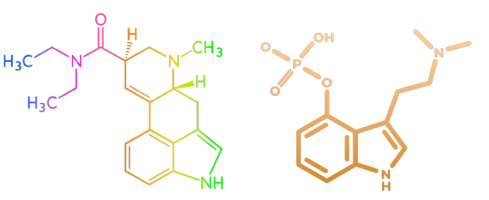
The term psycholytic therapy is no longer widely used. Psycholytic therapy is a therapeutic approach that utilizes low doses of psychedelics to expand consciousness and support psychotherapeutic processes. The concept originated in the 1950s and 1960s, when researchers and therapists began experimenting with psychedelic substances such as LSD and psilocybin. The goal of psycholytic therapy is to help clients explore their inner world, process emotional blockages, and promote personal growth and healing.
Unlike other forms of psychedelic therapy, which often use higher doses to induce an intense psychedelic experience, psycholytic therapy focuses on the use of lower dosages that can range from microdosing to at most 5 times a microdose. This means that the client does not necessarily undergo a full psychedelic experience, but rather experiences a subtle change in consciousness that allows them to delve deeper into their thoughts and feelings. This can be particularly helpful for people struggling with mental health conditions such as depression, anxiety disorders, or post-traumatic stress disorder (PTSD).
Scientific research into psycholytic therapy and its effectiveness has increased in recent years, with promising results pointing to the potential of psychedelics as therapeutic tools. At present, these psychedelic sessions with low or high doses are not recognized as a medical treatment.
Nowadays, psycholytic therapy is therefore no longer used as much; instead, it is more often referred to as psychedelic sessions with a low dose of psychedelics. Would you like to know more about this type of low-dose psychedelic therapy? Then use the links below.
More info: Low dose of truffles | Triplevel 1 (low dosage) | Therapy with psychedelics | Microdosing or a good psychedelic trip?