26 July 2024 18:03
Topic starter
1

Why do people choose LSD therapy while psilocybin sessions seem more effective for various complaints?

27 July 2024 19:09
Why do people choose LSD therapy while psilocybin sessions seem more effective for various complaints?
Some of us choose to try LSD therapy for various reasons. First, the duration of the effects of LSD can be longer than that of psilocybin, which means the session may potentially last longer. This can be appealing to people looking for a more extensive and profound experience. On the other hand, the longer duration of action makes LSD sessions more expensive, and in the event of a bad trip, you experience an unpleasant feeling for a longer period.
Additionally, LSD can offer a different experience than psilocybin. Although both psychedelics have similar effects, the specific experiences and effects of LSD can differ from those of psilocybin. Some people may feel more drawn to the specific effects of LSD and may therefore prefer LSD therapy. For instance, psilocybin is more likely to induce a spiritual experience than LSD, and the LSD experience involves slightly more self-awareness.
Furthermore, the choice of a particular therapy may depend on the individual's needs and preferences. What may be effective for one person might not work for another. It is essential to choose a therapy that aligns with the person's specific needs and goals. For instance, LSD is known to be effective for various addictions. Belief in its efficacy can boost the chances of success.
See also: Psilocybin therapy | LSD therapy
1 Answer
1
3 June 2026 16:26

That’s an interesting observation. If you look purely at the current state of therapeutic research, psilocybin does indeed appear to have an edge when it comes to conditions such as depression, existential anxiety, addiction issues and, possibly, PTSD. Quite simply, more clinical trials have been conducted with psilocybin than with LSD.
Nevertheless, some people make a conscious choice to LSD therapy. This usually has less to do with being "more effective" and more to do with the nature of the experience.
Psilocybin is often described as emotionally deeper, more inward-looking and more closely connected to feelings, memories and existential themes. Many people experience it as a process that, as it were, "takes them" to the heart of a problem. As a result, it lends itself well to therapeutic work on depression, grief and trauma. This view is also reflected in many first-hand accounts.
LSD, on the other hand, is more often experienced as cognitive, analytical and stimulating. During an LSD session, some people actually feel clearer-headed, more creative and better able to examine patterns in their thinking. This can be appealing to those who benefit greatly from insight, self-reflection or breaking free from entrenched beliefs. LSD also lasts longer – often 8 hours or more – allowing more time to explore a process in depth.
A second reason is that not everyone reacts in the same way to psychedelics. The same condition may respond better to psilocybin in one person and to LSD in another. Personality, expectations, emotional sensitivity and neurological differences all play a part.
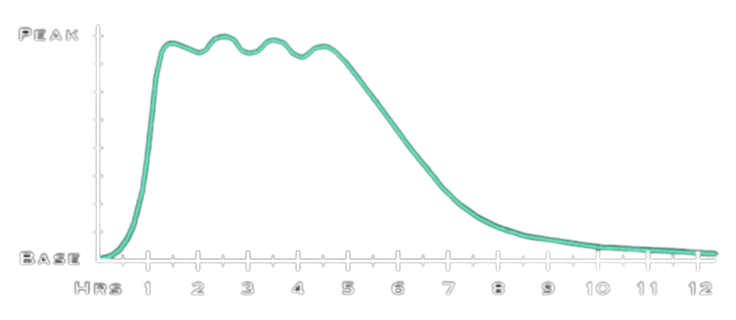
There is also a practical paradox. Although many researchers now opt for psilocybin, this is not solely because it is more effective. Its shorter duration of action – around 4 to 6 hours – makes research and supervision much simpler and cheaper than a LSD session sometimes lasting 10 hours or more. Some experts believe this is a key reason why psilocybin is currently being studied more extensively. See also the progression of an average LSD session in the image below.
To sum it up:
-
When it comes to emotional processing, depression, finding meaning and trauma, psilocybin is often perceived as a more natural and therapeutically profound option.
-
LSD can be appealing for cognitive insights, creativity, pattern recognition and prolonged self-reflection.
-
The scientific evidence is currently stronger for psilocybin, but that does not automatically mean that LSD is less effective for every individual.
Within guided psychedelic programmes, you therefore often see people undertaking a psilocybin or truffle session first. Only when there is a clear reason to opt for a longer, more analytical experience is LSD considered. This is also consistent with the practical experience of many facilitators. (source: psilocybinetherapienederland.nl)