
Topic starter
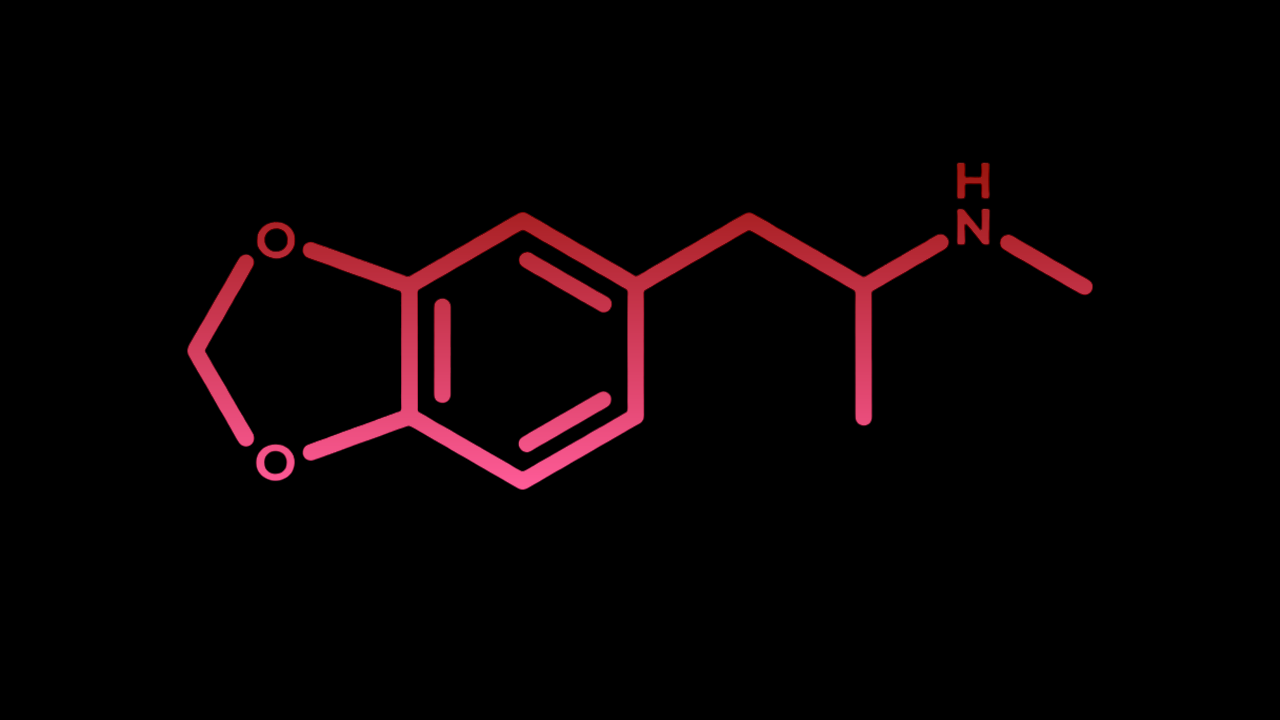
According to this scientific meta-analysis makes MDMA particularly receptive to positive empathy.
MDMA makes you more empathetic towards positive emotions
MDMA is known as a substance that makes people more open, softer, and more connected to themselves and others. This image is increasingly supported by scientific research. What stands out is that MDMA does not simply amplify all emotions, but primarily causes a shift in how emotions are experienced and perceived.
Research shows that MDMA particularly the emotional empathy increases. This means that people can empathize more strongly with the feelings of others and feel them more intensely. Positive emotions, such as joy, love, and connection, are particularly felt and recognized more clearly. At the same time, the brain appears to become less sensitive to negative signals such as fear, anger, or sadness. This ensures that social interactions feel less threatening and instead warmer and safer.
Why this effect is so important
This shift in emotion processing is not merely a side effect, but likely an important part of why MDMA is therapeutically interesting. Many psychological complaints, such as trauma, anxiety, or depression, are associated with heightened sensitivity to negative emotions and reduced access to positive feelings. MDMA appears to temporarily reverse this.
Because negative emotions are felt less sharply and positive emotions are experienced more strongly, space is created to approach difficult topics without immediately becoming overwhelmed. People feel safer, less defensive, and more connected to themselves and others. This makes it easier to talk openly, allow emotions, and develop new perspectives.
Emotional empathy versus cognitive empathy
It is interesting that MDMA primarily the emotional empathy influences and much less the cognitive empathy. Cognitive empathy is about understanding what someone feels, while emotional empathy is about actually feeling along. Under the influence of MDMA, people therefore remain reasonably capable of understanding situations rationally, while the emotional aspect comes to the fore more strongly.
That also explains why conversations under MDMA are often experienced as deep and meaningful. It is less about analyzing and more about feeling. It is precisely this combination that can be therapeutically valuable, because insights are not only understood mentally but are also integrated emotionally.
A safer emotional landscape
Another important effect is that MDMA makes the “emotional landscape” safer, as it were. Because negative signals are less intense, the threshold for looking at difficult experiences is lowered. This does not mean that negative emotions disappear, but rather that they are less overwhelming.
This creates a situation in which someone can, for example, talk about trauma without immediately falling into fear or avoidance. At the same time, there remains sufficient emotional access to actually feel and process it. This is precisely the balance that is difficult to achieve in many therapies.
Conclusion
MDMA does not simply make one more empathetic, but shifts the balance towards positive emotions and connectedness. It increases emotional empathy while simultaneously reducing sensitivity to negative signals. This creates a safe and open state in which people connect with themselves and others more easily.
It is precisely this combination that makes MDMA interesting within therapeutic contexts. It creates a temporary space in which difficult emotions become approachable without being overwhelmed, and in which positive feelings such as trust, connection, and acceptance predominate.
Posted : 27 March 2026 13:35