5 September 2024 14:43
Topic starter
0

How can I legally have an ayahuasca session in the Netherlands?
2 Answers
1
2 April 2025 14:18

In the Netherlands, it is legal to organize a ayahuasca session It is not easy. Since a ruling by the Supreme Court in 2019, ayahuasca falls under the Opium Act, making it prohibited to import, possess, or use it. Nevertheless, there are alternatives and legal nuances that can help you undergo a similar experience legally.
1. Truffle or psilocybin sessions as a legal alternative
Because ayahuasca is illegal, many therapists in the Netherlands opt for legal psychedelic sessions with psilocybin-containing truffles. The effects of a psilocybin session can be comparable to those of ayahuasca, with deep introspective experiences and therapeutic insights.
2. To a legal ceremony outside the Netherlands
In some countries, such as Portugal or Spain, ayahuasca ceremonies are legal within certain spiritual and therapeutic frameworks. There are Dutch facilitators who organize retreats in these countries.
If you still want a similar experience in the Netherlands, then a truffle or psilocybin ceremony the best and safest option. This is often guided by experienced therapists and can take place in a safe setting.
1
2 April 2025 18:15

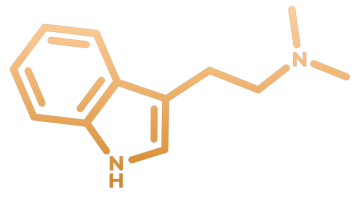
In the Netherlands, ayahuasca ceremonies are illegal if the brew contains DMT. The Supreme Court has ruled that the possession and trade of ayahuasca containing DMT are prohibited. This means that it is not possible to undergo a legal ayahuasca (with DMT) session under Dutch law. Ayahuasca without DMT is legal, but it does not contain the substances that cause the psychedelic effects.
There are legal alternatives available that can offer experiences similar to ayahuasca with DMT. One of the most prominent alternatives is the use of psilocybin, which is found in magic truffles. In the Netherlands, these truffles are legal and can be used in a therapeutic setting. At Triptherapie, we offer psilocybin sessions where the truffles are used under the guidance of experienced coaches. This provides a safe and legal way to experience the therapeutic benefits of psychedelics.
In addition to psilocybin ceremonies, there are other alternatives that more closely mimic the effects of ayahuasca, such as psiloflora. Psiloflora and ayahuasca share similarities because both ceremonies utilize a combination of a psychedelic substance and a monoamine oxidase inhibitor (MAOI). In the case of psiloflora, psilocybin, found in psilocybin-containing truffles or mushrooms, is combined with the mild MAOI of the passionflower (Passiflora incarnata). Ayahuasca In contrast, DMT (dimethyltryptamine) combines with the MAOIs of the Banisteriopsis caapi vine.
The reason these combinations are created is to enhance and prolong the effects of the psychedelic substances. MAO inhibitors slow down the breakdown of neurotransmitters, allowing the psychedelic experience to be more intense and longer-lasting. This is an important aspect of both psiloflora and ayahuasca, as it enables the user to have deeper and more introspective experiences.
Another important point is that both psilocybin and DMT are chemically tryptamines, which means they have similar mechanisms of action in the brain. Both substances stimulate the 5-HT2A receptors, leading to the hallucinogenic effects characteristic of psychedelic experiences. This ensures that the experiences resulting from psiloflora and ayahuasca can be similar in many respects, although the specific effects and the nature of the experience may vary depending on the substances used and the context of the ceremony.
Moreover, it is important to note that psiloflora is generally considered safer than ayahuasca, as it carries fewer risks regarding blood pressure elevation and interactions with other medications or foods. This makes psiloflora more accessible to a wider audience, especially those who may be sensitive to the stronger effects of ayahuasca. Consequently, psiloflora is a legal alternative to ayahuasca in the Netherlands.
Table of contents