September 6, 2024 10:39
Topic starter
0

What is the significance of LSD?

September 6, 2024 11:07
What is the significance of LSD?
LSD stands for lysergic acid diethylamide and is a potent psychedelic substance first synthesised in 1938 by Swiss chemist Albert Hofmann. The significance of LSD lies not only in its chemical composition or its name, but also in the effects it has on the human mind and perception. LSD is known for its ability to profoundly affect users' perception, emotions and thoughts, which can lead to intense visual and auditory hallucinations, changes in time awareness and increased introspection.
The substance works mainly by binding to serotonin receptors in the brain, particularly the 5-HT2A receptors. This leads to a change in neurotransmission and can result in a wide range of subjective experiences, ranging from euphoria and mystical experiences to anxiety and confusion. The effects of LSD can last up to 12 hours, making it a unique and potentially overwhelming experience.
1 Answer
1
18 July 2025 19:43

LSD stands for Lysergic acid diethylamide, or Lysergic Acid Diethylamide in English. It is a powerful, synthetic psychedelic drug first synthesised in 1938 by Swiss chemist Albert Hofmann. LSD belongs to the group of tryptamines and has a very strong effect on the serotonin receptors in the brain, particularly the 5-HT2A receptor.
Chemical names and structure
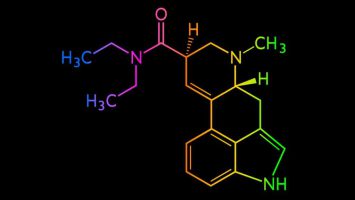
- IUPAC name: (6aR,9R)-N,N-diethyl-7-methyl-4,6,6a,7,8,9-hexahydroindolo[4,3-fg]quinoline-9-carboxamide
- Molecular formula: C₂₀H₂₅N₃O
- CAS number: 50-37-3
- Derived from: Lysergic acid, which in turn comes from the ergot fungus (Claviceps purpurea)
Street names and pseudonyms of LSD
LSD is known by different names, depending on context, culture or presentation:
Popular street names:
- Acid
- Trips
- Lucy (often "Lucy in the Sky with Diamonds")
- Blotter
- Microdots
- Windowpane
- Tabs
- Doses
- Hits
- Blotter Acid
In the psychedelic subculture:
- Mind Expander
- The Medicine
- Sacrament (within spiritual settings)
Form and presentation
LSD is usually sold in:
- Blotter paper (soaked and dried)
- Liquid form (drops on sugar cubes or directly)
- Microdots (small pills)
- Gel tabs (gelatine form)