14 January 2025 13:28
Topic starter
0

I asked Trippy if you can combine diazepam with MDMA and this is the answer:
Combining diazepam with MDMA is not recommended. Diazepam, a benzodiazepine, can influence the effects of MDMA and can lead to unpredictable interactions. MDMA can increase heart rate and blood pressure, while diazepam has a sedative effect. This can lead to an increased risk of complications, such as fainting or other cardiovascular problems. It is important to always be cautious when combining different substances, especially when it comes to psychoactive substances.
Is that correct? My psychiatrist thinks it is possible.
1 Answer
1
16 February 2025 13:42

The combination of diazepam (a benzodiazepine) and MDMA (3,4-methylenedioxymethamphetamine, commonly known as ecstasy) carries significant pharmacological and clinical risks that require careful study. While MDMA is a stimulant with serotonergic, dopaminergic, and noradrenergic effects, diazepam acts as a central nervous system (CNS) depressant by enhancing GABAergic activity. This report combines evidence from clinical trials, drug safety guidelines, and pharmacological interactions to evaluate the validity of claims regarding their combined use.
Diazepam: GABAergic modulation and clinical use
Diazepam, a benzodiazepine, enhances the effect of gamma-aminobutyric acid (GABA) on GABA receptors, resulting in anxiolytic, sedative, muscle relaxant, and anticonvulsive effects. It is prescribed for anxiety disorders, muscle spasms, alcohol withdrawal, and preoperative sedation. However, its use carries risks of dependence, tolerance, and respiratory depression, particularly in combination with other CNS depressants such as opioids or alcohol.
MDMA: Stimulating and entactogenic effects
MDMA increases the synaptic concentrations of serotonin, dopamine, and norepinephrine by inhibiting reuptake transporters and promoting release. This leads to euphoria, heightened sensory perception, and increased sociability. However, MDMA also increases heart rate, blood pressure, and body temperature, with documented cases of hyperthermia, hyponatremia, and cardiovascular events such as myocardial infarction.
Synergistic load on the cardiovascular system
The sympathomimetic effects of MDMA increase myocardial oxygen demand through tachycardia and hypertension. Simultaneously, the vasodilating properties of diazepam can reduce coronary perfusion pressure, potentially exacerbating ischemia in susceptible individuals. Animal studies suggest that benzodiazepines such as diazepam inhibit phosphodiesterase enzymes, thereby enhancing catecholamine-induced inotropy and increasing cardiac load. This combination creates a "tug-of-war" effect on the cardiovascular system, increasing the risk of arrhythmias, myocardial infarction, or sudden cardiac death.
Case studies of medication-induced myocardial damage
A clinical review highlights amphetamine-related myocardial ischemia, often attributed to coronary vasospasm, thrombus formation, or direct cardiotoxicity. Although the structural similarity of MDMA to amphetamines suggests similar risks, the interaction with diazepam can potentiate these effects. For example, phosphodiesterase inhibition by diazepam could prolong cAMP signaling, thereby exacerbating catecholamine-driven vasoconstriction and platelet aggregation.
Opposite CNS effects and behavioral risks
The stimulating properties of MDMA contrast sharply with the sedative effects of diazepam. This mismatch can lead to unpredictable psychological outcomes, including agitation, paradoxical aggression, and impaired judgment. Sources explicitly warn that combining stimulants such as MDMA with benzodiazepines increases the risk of anxiety, panic attacks, and violent behavior. Furthermore, the amnesic effects of diazepam can reduce users' ability to recognize overdose symptoms, thereby delaying critical interventions.
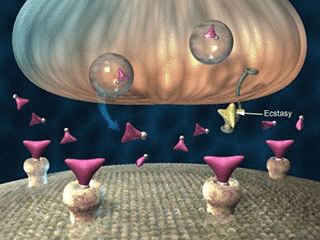
Cross-pollination of neurotransmitter systems
The serotonin-releasing effects of MDMA can interact with the GABAergic modulation of diazepam, potentially disrupting emotional regulation. Preclinical studies indicate that benzodiazepines may reduce MDMA-induced serotonin depletion in some brain regions, but this "protective" effect is offset by increased risks of respiratory depression and CNS instability.
Hepatic metabolism and competition
Both drugs are metabolized by cytochrome P450 enzymes, particularly CYP3A4 and CYP2C19. The long half-life of diazepam (20–100 hours) and active metabolites (e.g., desmethyldiazepam) can prolong the interaction with MDMA, which has a shorter half-life (6–8 hours). Competitive inhibition of these enzymes can lead to increased plasma concentrations of both drugs, thereby increasing the risks of toxicity.
Delayed clearance and overdose potential
The Dutch Medicines Authority warns that combining benzodiazepines with stimulants such as MDMA delays hepatic clearance, leading to cumulative toxicity. For example, the respiratory depressive effects of diazepam can persist even after the stimulating effects of MDMA have worn off, which can result in delayed respiratory failure or coma.
Contraindications in prescribing literature
The prescribing guidelines for diazepam explicitly warn against concomitant use with CNS depressants, opioids, or alcohol due to risks of fatal respiratory depression. Although MDMA is not specifically mentioned, its classification as a stimulant does not negate the broader contraindication against combining depressants and stimulants. The guidelines also emphasize increased risks for individuals with cardiovascular or respiratory conditions—which are common among MDMA users.
Public health warnings against polydrug use
Dutch harm reduction sources strongly advise against using benzodiazepines to counteract stimulant effects or induce sleep after MDMA use. It is noted that such combinations disrupt the circadian rhythm, exacerbate anxiety, and increase the risk of dependence. The warning emphasizes that "combining stimulants with benzodiazepines carries a high risk of anxiety, panic, and aggression.".
Conclusion: Evaluation of the psychiatrist's perspective
Although the psychiatrist's opinion may stem from a theoretical intention to reduce MDMA-induced anxiety or agitation, clinical and pharmacological evidence discourages this combination. The risks—ranging from cardiovascular compromise to respiratory failure and psychological instability—far outweigh any potential benefits. Principles of harm reduction dictate that users avoid mixing CNS depressants and stimulants due to unpredictable synergy.
Recommendations for clinicians and patients
-
Avoid simultaneous usePatients using MDMA must refrain from benzodiazepines, except under strict medical emergencies.
-
Monitor for delayed toxicity: Acknowledge that the prolonged half-life of diazepam can mask acute MDMA toxicity, making prolonged observation necessary.
-
Prioritize non-pharmacological interventionsBehavioral strategies, hydration, and controlled rest are safer alternatives for managing MDMA comedowns.
In summary, the claim that diazepam and MDMA can be safely combined is inconsistent with current pharmacological evidence and clinical guidelines. Patients and healthcare providers must prioritize safety over anecdotal or theoretical benefits.
MDMA therapy for Triptherapie:
More information about MDMA therapies for Triptherapie: