2 May 2024 12:09
Topic starter
1

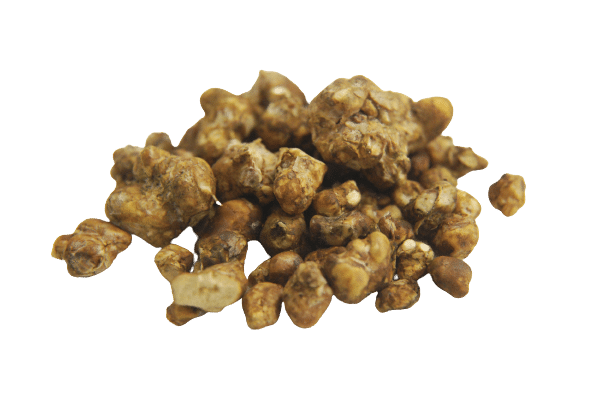
Can sotalol HCl Aurobindo be taken with psilocybin from magic truffles?

2 May 2024 13:42
Can sotalol HCl Aurobindo be taken with psilocybin from magic truffles?
Sotalol HCl Aurobindo is a medication that belongs to the class of beta-blockers. A beta-blocker works by blocking beta-receptors (beta-adrenergic receptors) so that adrenaline has less influence on the heart. By reducing the effect of adrenaline, the heart rate slows down and blood pressure drops. Truffle ceremonies and truffle sessions utilize truffles containing psilocybin. Psilocybin has no direct influence on beta-receptors or beta-blockers such as Sotalol HCl Aurobindo.
When using psilocybin, there is a chance of increased blood pressure during the onset of action (after conversion to psilocin). The extent to which blood pressure rises during this initial phase varies from person to person, but it can correspond to heavy strength training at the gym, such as a vigorous leg press. If someone can train hard at the gym, this may indicate that the increased blood pressure is not likely to be a problem.
Many people experience lower blood pressure at the end of a truffle session or ceremony. This can also persist the following day. This lowered blood pressure following the use of psilocybin, combined with the blood pressure-lowering effects of a beta-blocker such as Sotalol HCl Aurobindo, can result in dangerously low blood pressure. Low blood pressure can lead to dizziness, fainting, confusion, and fatigue.
Whether Sotalol HCl Aurobindo can be safely used with psilocybin depends on the condition of the heart and whether it can tolerate a temporary increase in blood pressure. It must also be determined whether the blood pressure reduction following the wear-off of psilocybin could pose a problem. The half-life of Sotalol HCl Aurobindo is approximately 12 hours. This means that after about 12 hours, half of the ingested dose of Sotalol HCl Aurobindo has disappeared from the body. If the final dose of Sotalol HCl Aurobindo is taken about 12 hours before the use of psilocybin, it partially inhibits the blood pressure rise caused by psilocybin use, and the blood pressure reduction after the psilocybin wears off will be less. Restarting the beta-blockers can then take place on the second day after the use of psilocybin.
Consult with your treating physician whether temporarily stopping beta-blockers is a good plan and safe in combination with the state of your heart condition, and whether psilocybin is safe for you.
More about: Psilocybin | Truffle session
1 Answer
2
29 July 2025 16:57

Sotalol HCl (brand name Aurobindo) is a medicine used for heart rhythm disorders. It acts as a non-selective β-blocker (beta-blocker) and as a class III antiarrhythmic, which means that it both slows the heart rate and prolongs repolarization (QT prolongation) to prevent cardiac arrhythmias. Psilocybin on the other hand, the psychoactive substance in “magic” mushrooms and truffles is a classic psychedelic which is converted into psilocin after ingestion. Psilocybin binds primarily to serotonin receptors (5-HT₂A and others) in the brain and causes hallucinogenic effects. This question focuses on the safety and potential risks of the concomitant use of sotalol and psilocybin. We investigate pharmacological interactions, the risk of cardiac arrhythmias (e.g., QT prolongation and torsade de pointes), cardiovascular stress (blood pressure and heart rate changes), neurological/psychological effects, and whether psilocybin influences the metabolism or action of sotalol. We also review available clinical data, case reports, and expert advice regarding this combination to assess whether the use of psilocybin is inadvisable for patients using sotalol.
Pharmacology of sotalol and psilocybin
Sotalol It belongs to the beta-blockers and class III antiarrhythmics. It blocks β₁/β₂-adrenergic receptors, thereby reducing the influence of adrenaline on the heart. This leads to a lower heart rate and blood pressure, and protection against adrenergic stress on the heart. In addition, sotalol blocks potassium channels in the heart, which prolongs repolarization (longer QT interval) and contributes to the antiarrhythmic effect, but also increases the risk of arrhythmias with excessive QT prolongation (such as torsade de pointes). Sotalol is largely excreted unchanged via the kidneys and undergoes hardly any liver metabolism. It does not induce or inhibit CYP enzymes and therefore has few pharmacokinetic interactions with other agents.
Psilocybin is a prodrug that is rapidly dephosphorylated in the body to psilocin, the active compound. Psilocin acts on serotonin receptors (especially 5-HT₂A in the brain, which causes the psychedelic effects). In addition, psilocin also has effects on other receptor subtypes, including 5-HT₄ receptors in the heart. By activating 5-HT₄ receptors in cardiac tissue, psilocin can increase heart rate and cardiac contractility by increasing cyclic AMP. Psilocybin/psilocin has no direct affinity for β-adrenergic receptors (the targets of sotalol). Pharmacokinetically, there are also no known interactions: psilocybin is not metabolized by the same pathways as sotalol, and sotalol does not affect the metabolism of psilocybin. Therefore, there is no direct pharmacokinetic or receptor-technical interaction. interaction between sotalol and psilocybin is to be expected. However, a lack of direct interaction does not mean that the combination is safe – the physiological effects of both substances can interact with each other and lead to risks.
Risk of cardiac arrhythmias (QT prolongation and torsade de pointes)
An important point of attention with this combination is the risk of cardiac arrhythmias. Sotalol prolongs the QT interval as part of its action, which in some cases can lead to serious arrhythmias such as torsade de pointes. On its own, psilocybin in regular doses is unlikely to cause significant QT prolongation – it stands not known to be QT-prolonging; arrhythmias have been reported only at very high doses. An information source notes: “The psilocybin in it is also not known for QT prolongation. Cardiac arrhythmias are only possible in case of overdose.”. This suggests that occasional high doses of psilocybin may indeed affect heart rhythm. Recent pharmacological data support this: in a clinical study with a high psilocybin dose (0.6 mg/kg) in healthy volunteers, a slight increase in heart rate was observed and a tendency towards prolongation of the corrected QT interval was established. The researchers concluded that at high doses of psilocybin, significant QT prolongation may occur, which could trigger dangerous arrhythmias (torsade de pointes).. Although therapeutic doses (for example, ~20–25 mg in psychedelic therapy) are generally lower than the tested high dose, this is an important signal.
In a patient using sotalol, the safety margin Already limited for QT prolongation: sotalol has prolonged the QT interval and the heart is often more vulnerable. Any additional prolongation or arrhythmogenic trigger can mean the difference between stability and a torsade de pointes attack. Psilocybin and psilocin can indirectly promote arrhythmogenesis by the heart. to make more sensitive to abnormal stimuliLaboratory research has shown that psilocin/psilocybin increases the contractile force of human cardiac tissue (positive inotropic) and can accelerate the heart rate via 5-HT₄ receptor-stimulating effects. This increase in cAMP and calcium load on cardiac cells can have a proarrhythmic effect. Clinically, it has been observed that psilocybin use may be associated with tachycardia (accelerated heart rate) and occasional arrhythmias, at least in susceptible individuals. For instance, a case of a 48-year-old man reported sudden cardiac arrest (ventricular fibrillation) shortly after psilocybin ingestion; it is suspected that the use of psilocybin (in combination with other stimulants) provoked a strong release of catecholamines that triggered the fatal arrhythmia. This illustrates that psilocybin in case of predisposition (for example, existing heart conditions or stimulating co-medication) can act as a trigger for severe arrhythmia.
Combined use of sotalol and psilocybin would the likely increase risk of arrhythmia. The QT-prolonging property of sotalol can be slightly potentiated by psilocybin at high doses or depending on individual sensitivity. More importantly, any psilocybin-induced tachycardia or extrasystole occurs against the background of slow repolarization (due to sotalol), which is a dangerous combination for the development of ectopic beats or torsades. In summary, the risk of cardiac arrhythmias is considerableExperts advise against the use of psychedelics for people with underlying heart problems or who take medications such as sotalol for them. In the words of an addiction specialist: “People with heart conditions are advised against taking psychedelic substances.” This advice is based on avoiding potentially life-threatening arrhythmias.
Cardiovascular stress: blood pressure and heart rate
In addition to arrhythmias, one must take into account the cardiovascular stress which psilocybin can cause. In the acute phase after ingestion (when psilocybin is converted into psilocin and the effect sets in), often occurs sympathetic stimulation up. This manifests itself in a increase in blood pressure and heart rate during the come-up of the trip. Studies and reports in healthy volunteers show that psilocybin can moderately increase systolic and diastolic blood pressure, comparable to the response during exercise. One specialist describes that the blood pressure peak during the onset of psilocybin can correspond to that of heavy strength training (e.g., an intensive leg press). This level of blood pressure rise, although usually short-lived, can be risky for someone with heart conditions. If a patient, so to speak, does not tolerate a strenuous fitness exercise well, a psilocybin-induced pressure increase is also potentially dangerous. High blood pressure increases the cardiac workload and oxygen demand of the myocardium; in someone with coronary artery disease or cardiomyopathy, this can lead to ischemia (angina pectoris) or even a myocardial infarction, in addition to triggering arrhythmias.
Sotalol's presence modifies this dynamic slightly.: as a β-blocker, sotalol will partially inhibit the increase in heart rate caused by psilocybin and possibly dampen the blood pressure response, because adrenaline has less effect on the heart. This initially appears positive (the heart is protected against excessive acceleration). However, β-blockade also has a downside in this scenario. First, a non-selective β-blocker such as sotalol can unhindered α-adrenergic effect allow it to persist: adrenaline then primarily causes vasoconstriction (via α-receptors), which can actually drive blood pressure up further while the heart rate remains artificially low. This means that the patient might be less aware of palpitations, but can develop significantly elevated blood pressure—a potentially dangerous situation that is harder to detect without monitoring. Secondly, sotalol's β-blockade is continuous; during the psychedelic experience, the heart might not be able to respond adequately to physiological needs (e.g., insufficient increase in heart rate in response to elevated blood pressure), which can lead to adverse hemodynamics.
After the peak of the psilocybin effect has passed and the “trip” subsides, a drop in blood pressure below baseline levels. Psilocybin can also stimulate parasympathetic activity and, upon wear, often leads to relaxation and a mildly reduced heart rate and blood pressure. No severe hypotension has been reported in healthy individuals in clinical studies, but caution is advised when combined with an antihypertensive agent such as sotalol. additive blood pressure-lowering effects can lead to blood pressure dropping too low. In the aforementioned advice forum, it is warned that lowered blood pressure after a psilocybin trip, together with the β-blocker effects, can cause hypotension with symptoms of dizziness, lightheadedness, fainting, confusion, or extreme fatigue. In extreme cases, very low blood pressure could also cause organ damage due to reduced blood flow. The course of time is important: sotalol has a half-life of approximately 12 hours, so with daily use, there is continuously a certain level in the blood. Theoretically, it would postponing or skipping a sotalol dose Blood pressure peaks and troughs may normalize slightly around the day of psilocybin use, but this is definitely something that should only be considered in consultation with a cardiologist. Skipping sotalol is risky in itself (it can make the patient susceptible to arrhythmia or rebound tachycardia again). In general, this is not a recommended strategy outside a strictly medical setting.
In short, the combination can the cardiovascular stability disrupt: first hypertension and tachycardia during the psychedelic experience, then hypotension and bradycardia in the aftermath. Both extremes pose a risk to vulnerable cardiac patients. Clinical practice reflects this in the contraindicationsPsychedelic therapies generally exclude people with serious cardiovascular conditions, precisely because of these blood pressure and heart rate fluctuations. According to a guideline, the use of classical psychedelics is inadvisable in the presence of untreated or serious heart conditions (e.g., uncontrolled hypertension, heart failure, severe coronary artery disease, or a previous myocardial infarction) due to the potentially dangerous increase in blood pressure and heart rate. The use of psilocybin by someone who requires sotalol for their heart clearly falls into this risk category.
Neurological and psychological effects
From neurological and psychological From this perspective, there are fewer direct interactions between sotalol and psilocybin, but there are some considerations. Psilocybin has a powerful effect on the brain: it causes altered sensory perception, emotions, and cognitions, often accompanied by deep introspection or, in the case of negative experiences, fear and panic. Sotalol crosses the blood-brain barrier to a limited extent (especially compared to more lipophilic β-blockers such as propranolol). Sotalol therefore has little influence on central nervous activity; at most, it causes side effects such as mild fatigue or dizziness, but no influence on consciousness or hallucinations. We can therefore assume that sotalol the does not in itself dampen or modulate the psychedelic experience – the trip will come through in full intensity if the dose of psilocybin is high enough, since the action occurs via serotonin receptors that are not blocked by sotalol.
However, the physical state resulting from the combination can indirectly influence the psychological experience. A patient on sotalol has an underlying heart condition; this awareness can cause anxiety during a trip. Psilocybin sometimes amplifies internal feelings and concerns. If someone notices physical sensations during the experience (e.g., palpitations, chest pressure, dizziness), these can be magnified by consciousness and strongly anxiety or panic cause. For example, a slight rise in blood pressure or the sensation of a pounding heartbeat – even if sotalol dampens this, it can still be noticeable – could be interpreted by the user as a sign that “something is wrong with the heart,” which triggers an anxiety reaction. That psychological stress can, in turn, exacerbate the adrenergic stress response (a vicious cycle): stress increases adrenaline, which would further drive up blood pressure and heart rate (although sotalol limits maximum heart rate). This potentially contributes to a unsafe situation, both mentally and physically.
In addition, there is a small chance that psilocybin the serotonin syndrome triggers when combined with other substances that increase serotonin. Sotalol has no effect on serotonin, so in this respect there is no direct interaction. Nevertheless, any other medications the patient is taking (such as antidepressants) warrant attention when considering psilocybin use. In general, patients in clinical psilocybin studies are advised to discontinue serotonergic medication prior to a session to avoid risks such as serotonin syndrome. This is not relevant for sotalol, but it indicates that polypharmacy can pose additional risks with psychedelics. In the previously mentioned case of ventricular fibrillation, for example, the patient was also using lisdexamfetamine (a stimulant), which presumably caused a dangerous catecholamine response when combined with psilocybin. Any additional substance that the stress level or the stimulation increases, can be problematic in combination with psilocybin, especially for someone with a fragile heart.
In conclusion Sotalol has no protective effect on the mental component of psilocybin – the user will experience the full psychedelic effects and must be mentally prepared. At the same time, sotalol does not guarantee a stable heart during such an intense experience: the physical signs of stress can be psychologically magnified, and conversely, anxiety can increase physical stress. This mutual influence of body and mind is difficult to predict but constitutes an additional argument for caution.
Influence on metabolism and reciprocal interaction
Regarding pharmacokinetic interactions There is reassuring news: sotalol and psilocybin likely do not inhibit each other's breakdown. Sotalol is primarily renally excreted and hardly metabolized; psilocybin's conversion to psilocin occurs via enzymes (such as alkaline phosphatase), and further breakdown of psilocin proceeds, among others, via MAO-A to inactive metabolites. There is no indication that psilocybin alters the renal excretion or half-life of sotalol, nor that sotalol influences the enzymatic conversion of psilocybin. This means that the plasma concentrations of both substances when used simultaneously are approximately as they would normally be when used separately. The risk therefore arises not so much from altered levels, but from the combined effects on the body.
Regarding pharmacodynamic interactionAs discussed, sotalol acts on β-receptors and ion channels, while psilocin acts on serotonin receptors. There is no direct counteraction or enhancement on the same receptor mechanism. However, a subtle point is that both agents have opposing effects on the autonomic nervous system: sotalol inhibits the sympathetic nervous system (by blocking adrenaline effects), whereas psilocybin can actually trigger a complex mix of sympathetic activation (in the initial phase) and parasympathetic activation (in the wear-off phase). As a result, psilocybin can operation functionally challenge the effects of sotalol. For example, sotalol aims to keep the heart calm and rhythmic; psilocybin induces a phase of elevated adrenaline in which the body enters a “fight or flight” mode. The result may be that psilocybine challenges some of the effects of sotalol. nullifies (such as lowering the heart rate) – an increase in heart rate is still observed, albeit perhaps less pronounced than without sotalol. Conversely, sotalol can dampen some physical signals of psilocybin (such as palpitations), but this does not eliminate the internal stress response and can therefore create a false sense of security.
In addition, is of mutual influence Little is known about the long term. Theoretically, frequent use of psilocybin could influence autonomic reflexes or mental state, but there is no evidence that this alters the chronic action of sotalol. Nor is it known that sotalol influences the psychological integration or neuroplasticity effects of psilocybin. The main point of attention remains the acute combination: the previously discussed risks apply to that.
Clinical data, case reports and expert advice
There are no large-scale clinical studies who have explicitly investigated the combination of a class III antiarrhythmic (such as sotalol) with a hallucinogen like psilocybin – this would be ethically difficult to justify given the potential risks. In controlled psilocybin trials, subjects with significant cardiac abnormalities or unstable medical conditions are typically excluded. Researchers aim to prevent a participant with latent risks (such as a predisposition to arrhythmias) from experiencing serious cardiac events during the study. As a result, there is a lack of direct clinical experience with this specific combination.
So we must sail on indirect evidence and expert opinions. Summarizing from the literature and case studies: psilocybin appears to be effective in healthy people within therapeutic doses. few acute cardiac problems to administer – in a study with 32 healthy volunteers who received 20 mg of psilocybin orally, for example, only a slight increase in blood pressure was reported and no arrhythmias. This suggests that for healthy hearts, the acute effects are manageable. However, that same literature and recent reviews emphasize that in patients with heart disease Caution is advised. There are reports of serious cardiac events associated with recreational use: in addition to the mentioned case of ventricular fibrillation, there are also indications that psilocin (the active metabolite) can block hERG channels in the heart at relevant concentrations. This implies a direct possibility of QT prolongation at the cellular level, which is a cause for concern in patients already taking medications that prolong the QT interval.
Experts in the fields of psychedelics and cardiology therefore advise caution. As previously cited, an addiction specialist states that it is better not to take psychedelics if you have a heart condition. A specialized clinic for psychedelic therapy also states that severe cardiovascular conditions are a contraindication for participation, due to the risks of blood pressure fluctuations and cardiac arrhythmias. The Dutch Drugs Information Line has answered questions about hallucinogens in long QT syndrome, and this also shows that psilocybin is not known to strongly prolong QT, but that research is limited and arrhythmias are possible at high doses. They emphasize that hallucinogens can slightly increase the heart rate and that caution is appropriate for heart patients.
At consultation with practitioners In some cases, measures such as temporarily pausing a β-blocker around a psilocybin session to prevent extreme hypotension are being considered. Such a decision requires careful medical assessment: the cardiologist must determine whether the heart can handle a temporary surge in blood pressure and heart rate without the protection of sotalol, and whether the underlying arrhythmia remains under control. The general consensus from advisory forums is that this should only be considered in stable patients and under supervision. The emphasis consistently lies on consultation with the attending physician and the individual weighing of risks and benefits.
To date, no case reports have been published in which sotalol and psilocybin have been used simultaneously under medical supervision, which means that we have no precedent of “it went well”—we are primarily aware of the theoretical dangers. Therefore, doctors and researchers tend towards a cautious approach: in case of doubt, do not combine.
Conclusion and recommendations
Given the above, it is Simultaneous use of sotalol HCl and psilocybin is potentially risky. Pharmacologically, they do not interfere directly with each other, but their Physiological effects counteract each other and can place a heavy strain on the heart.. Sotalol creates a state of slow heart rate and prolonged repolarization, while psilocybin causes periods of increased sympathetic activity (higher blood pressure, faster and more powerful heart contractions) followed by deep relaxation (low blood pressure). This combination can lead to dangerous cardiac arrhythmias (particularly due to QT prolongation and possible torsade de pointes) and unpredictable fluctuations in blood pressure and heart rate. Sotalol offers no protection against the mental effects; someone on sotalol can have equally intense psychedelic experiences, but with an increased risk that physical signals will trigger panic.
The use of psilocybin is therefore strongly advised against in patients using sotalol. or have other significant heart problems. The risk of serious cardiovascular complications does not outweigh the potential benefits of a trip. Some concrete recommendations are:
-
Always consult your cardiologistDiscuss your interest in psilocybin openly. The doctor will most likely advise against its use, given the known risk profile. Follow this medical advice in the interest of your safety.
-
Avoid self-experimentsGo not Skipping or adjusting sotalol dosages on your own to schedule a psychedelic session can acutely endanger your heart rhythm. If you are considering stopping for a potential session, this must be done under strict medical supervision and with monitoring – but again, this path is not without danger and is not routinely recommended.
-
Medical supervision for unavoidable use: If someone taking sotalol wants to use psilocybin despite the warnings (e.g. in a therapeutic context), this would exclusively must take place under medical supervision. Means must be available to treat cardiac incidents immediately (e.g., a monitor, defibrillator, medication for high blood pressure or arrhythmia). However, realize that most clinics or trials will not even include someone on sotalol for these precautionary reasons.
-
Consider alternativesDiscuss alternative treatments for the desired psychological effects. For example, psychotherapy, meditation, or (under medical supervision) possibly other medication that causes less physiological stress. In research settings, very low dosages ("microdosing") are sometimes mentioned as an option, but here too, cardiac effects not ruled out and this should not be attempted lightly if you are using sotalol.
Conclusion: The combination of a β-blocker/antiarrhythmic such as sotalol with a hallucinogen such as psilocybin carries substantial risks regarding heart rhythm and cardiovascular stability. There is no direct pharmacological interaction, but the functional interaction (opposite effects on the heart and blood vessels) can have dangerous consequences. Patients using sotalol would be wise to not to use psilocybin or similar psychedelics. All available medical and scientific sources indicate that this is a potentially dangerous combination. The advice is clear: Health comes first – avoid psilocybin in this situation, unless future research under strict clinical conditions indicates otherwise. Healthcare providers prioritize the safety of your heart, and based on current insights, psilocybin use in sotalol patients is advised against in the interest of your cardiovascular well-being.