14 March 2025 11:28
Topic starter


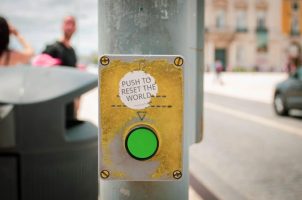

Psilocybin influences the brain via a cascade of neurochemical and circuit changes. At a molecular level, psilocin (the active metabolite) binds as a partial agonist to 5‑HT₂A receptors, particularly on layer V pyramidal cells in the cortex. This activates G_q‑GFP/PLC-IP₃/Ca²⁺ pathways and downstream MAPK/ERK and mTOR signaling pathways, leading to increased cAMP and Ca²⁺ signals, gene expression (c-fos, BDNF, etc.), and accelerated protein synthesis. This signaling cascade enhances synaptogenesis: within hours, more dendritic spines develop and the production of plasticity markers such as BDNF and synaptic proteins increases.. Functionally, psilocybin leads to an acute decoupling of the Default Mode Network (especially PFC–PCC) and a simultaneous increase in global functional connectivity and cerebral entropy, which is associated with ego loss and mystical experiences. Physiologically, during the peak, we observe slightly elevated heart rate, blood pressure, and cortisol, which normalize within hours. Clinically, an “afterglow” often follows within days to weeks, with improved mood and state of mind, and after a few sessions, a long-lasting reduction in symptoms of depression and anxiety or addictive urges. These effects appear to be dependent on the supervised setting: positive intention and aftercare increase the likelihood of a meaningful breakthrough. Against this potential stand contraindications: active psychosis, bipolar (manic) disorder, or incompletely controlled cardiovascular disease constitute hard limits, and SSRIs/MAO inhibitors may alter efficacy or safety. The literature raises numerous questions regarding optimal dose/interval, duration of neuroplasticity, and standardization of supervision. Table 1 provides an overview of mechanisms and timescales; Table 2 provides concise clinical outcomes per indication. Figure 1 shows acute, subacute, and long-term changes in a mermaid timeline.
Molecular mechanisms
Psilocybin is converted into psilocin in the body, which is primarily used as partial agonist of 5-HT₂A receptors works. This receptor—primarily present on layer V pyramidal cells in the prefrontal cortex—couples to phospholipase C via G-q proteins. Phospholipase C cleaves PIP₂ into IP₃ and DAG; IP₃ releases Ca²⁺ from intracellular storage, and DAG activates PKC. The subsequent increase in intracellular Ca²⁺ and PKC activity initiates various signaling pathways, including MAPK/ERK and mTOR. ERK activation contributes to phosphorylation of transcription factor CREB and subsequent expression of plasticity genes; mTOR stimulates the translation of synaptic proteins. Both LSD and psilocin were found to promote the production of neurotrophic factors (e.g. BDNF) via a 5-HT₂A signal.. Of interest is recent evidence that psychedelics – such as LSD – can bind directly to the BDNF receptor TrkB, suggesting an alternative mechanism for plasticity (Zhang et al 2023). Psilocin's partial agonism means that it activates 5-HT₂A only to a limited extent compared to a full agonist, which may contribute to the typical “narrowing” of the psyche rather than full overstimulation.
Chemically, psilocin also activates other serotonin receptors (5-HT₂C, 5-HT₁A, etc.), making the signal profile complex. Stimulation by 5-HT₂A in the cortex indirectly causes stimulation of glutamatergic networks: serotonin pyramidal cells excite GABA interneurons or stimulate glutamate release, which can induce beta- and gamma oscillations (other sources). The result is therefore not only serotonergic but also glutamatergic dysregulation, which increases the openness of information processing.
Neuroplasticity
Activating 5-HT₂A seems to be pro-plasticity-to trigger a reaction. Various studies in animals and cell cultures find increased BDNF expression and accelerated neuritis and spine growth in the prefrontal cortex and hippocampus after a dose of psilocybin/psilocin.. For example, iPSC-derived human neurons showed more dendritic branching and synaptic markers after psilocin treatment. In animal models, a single high dose of psilocybin was shown to increase synaptic vesicle protein (SV2A) levels and decrease 5-HT₂A density within hours (pig brain).. (A lower receptor density can also promote tolerance.)
Plasticity pathways such as the BDNF/TrkB-as and the mTORThe pathways lie remarkably aligned. BDNF release increases via CREB and ERK activation, which forms dendritic spines via TrkB. Thus, psychedelics such as LSD and DMT – and presumably psilocin – have been shown to strongly increase neuronal dendritic complexity in brain regions crucial for emotion processing. The timing is typical: increase in early gene production and protein synthesis within hours; new dendritic spines within 1–3 days; measured BDNF increase (plasma/serum) 24–48 hours after ingestion.. (NB: the exact timing in humans has not yet been unambiguously quantified.)
The AMPA and NMDA receptors also play a role here. Psilocybin increases the AMPA/NMDA ratio in the cortex (similar to ketamine) through glutamate release and increased AMPA transmission. This shift can itself stimulate synaptogenesis. Simultaneously, mTOR can activate additional NMDA receptors via AMPA receptors, which supports long-term learning capacity. Ultimately, psilocybin appears to function as a symptom-independent reset: by temporarily throwing normal inhibitory balances into chaos, the brain becomes more sensitive to the formation of new connections.
Network dynamics
Functional neuroimaging has found consistent patterns that support “reset” and “reconnection”. Immediately after ingestion connectivity within the Default Mode Network (PFC–posterior cingulate cortex, precuneus) drops drastically. DMN decoupling occurs together with stronger connections between otherwise separated networks: sensorimotor, visual, and subcortical. The result is increased global functional connectivity (measured with fMRI), which correlates with the intensity of the subjective effect. Simultaneously, neural entropy increases – brain activity becomes less predictable and more complex in EEG/fMRI measures.. This increase in entropy is theoretically precisely the mechanism of the 'reset': high disorder breaks open rigid patterns (Carhart-Harris et al., entropic brain theory).
Also thalamocortical Interactions change. Normally, the thalamus filters sensory input; under psilocybin, thalamocortical permeability increases. Studies show that thalamic activity increases and gating decreases, which may explain why sensory stimuli appear more intense (bright colors, sounds). In one magnetic resonance study, claustrum articulation was actually less active, which would contribute to a loss of boundaries between self and environment.
In short, under psilocybin, the brain is less segmented and more integrated. Networks that process information separately under normal circumstances (e.g., visual vs. emotional) suddenly communicate more strongly. This configuration aligns with patient reports: synesthesia, ego loss, and a mystical experience of unity. The level of DMN disconnection correlates quantitatively with scores on “ego dissolution” scales.. All these changes appear temporary: a few hours after the peak, the network structure partially returns to baseline, but some connectivity patterns remain at a subtly elevated level.
Acute physiological effects
During the psilocybin peak (usually 1–4 hours after ingestion), similar acute physiological responses are observed as with other psychedelics. Heart rate and blood pressure rise slightly to moderately; typical increases are ~10–20% (e.g., blood pressure from 120/80 to 140/90 mmHg). Cortisol rises – sometimes felt as a stress reaction – but usually decreases within 6–8 hours. Body temperature may rise by a few degrees Celsius, but rarely to clinically problematic levels. Breathing remains normal, although one may subjectively experience hyperventilation during anxiety. Usually, these physiological changes occur around the peak intensity (2–3 hours after the dose) and subside within 6–8 hours.
Clinical relevance: for healthy individuals, these effects are safe (comparable to intense exercise). In cardiac risk groups (untreated hypertension, aneurysms, unstable angina), monitoring is preferred. With proper preparation and guidance (quiet environment, relaxation exercises), the temporary physiological hyperactivation rarely leads to acute danger.
Behavioral and clinical outcomes
In controlled studies and clinical reports, psilocybin often results in dramatic psychological breakthroughs. In depression We see a significant decrease in scores after one to two doses: one open-label trial (MDD, Carhart-Harris et al. 2017) reported average decreases of 18→5 on the Hamilton Scale within 3 weeks after 2 sessions, which was statistically large. The effect generally persisted for months (during aftercare, behavioral therapy remained more effective).. Similar effects are seen in treatment-resistant patients: a phase 2 trial found that a psilocybin dose (25 mg) resulted in clinically significant depression reduction in ~70% of the cases after 3 weeks.. Bee anxiety symptoms (especially existential anxiety surrounding terminal illness) the effects were spectacular: in trials with cancer patients, improvements were found to last for weeks to months, sometimes after just one session.
At addictions The data are more modest but promising. In an RCT for smoking addiction, ~50% of the participants achieved 6 months of abstinence after two doses of psilocybin (with therapy), compared to ~15% with conventional medication.. Alcohol addiction also responded positively (Bogenschutz et al. 2015: ~40% remission after psilocybin treatment vs ~10% in control). Many patients report an emotional breakthrough during the session: confronting insights into the causes of their behavior, aided by the loss of psychological defenses (ego dissolution)..
Effect sizes and duration: Systematic reviews show that the improvement in depression/anxiety after psilocybin is typically statistically greater than with placebo (comparable to or greater than standard antidepressants in the short term) and persists for at least 6–12 months in group averages.. Studies report no “plateau phase”: the greatest change often occurs within 1–2 weeks, with gradual decline thereafter (sometimes even better with integration therapy). Important moderators are dose (higher dose → more intense experience and better result) and setting: optimal outcomes are seen with intensive psychological counseling and aftercare.
Role of set & setting and integration
Psilocybin works almost always in context. Reanalysis of trials, for example, shows that the degree of preparation, therapeutic rapport, and integration (reviewing and discussing the experience) strongly correlate with outcome. The term “set & setting” implies that intention and environment color the experience: positive expectation and comfort reduce the likelihood of panic, while a stressful context can induce ego-dystonic behavior. Qualitative studies find that good integration—actively processing insights gained in therapy—determines whether an intense session leads to lasting behavioral change or a decline. Although randomized evidence is scarce, it is assumed that a supportive setting influences clinical outcomes. moderate to strong improves. Without integration, new insights remain fleeting; with good aftercare, emotional breakthroughs are anchored in daily life. In short, psilocybin is not a standalone pill: the reset glasses were combined with psychotherapy and intention support in all studies.
Time course of effects
Acute phase (0–6 hours): Immediately after ingestion, psilocin massively activates 5-HT₂A. Within 30–60 minutes, cerebral glucose consumption in relevant networks increases. The peak occurs around 1–2 hours: subjectively, people experience the “trip” (altered perception, loss of ego, visions). Physiological signals (heart rate, blood pressure, cortisol) peak during this period and normalize by 6–8 hours. DMN connectivity is deeply disrupted, and global entropy is high.Note: In this respect, psilocybin falls between LSD (longer duration) and ketamine (shorter, dissociative).
Subacute phase (6 hours–7 days): After the acute experience ends, an “emotional orgasm” or afterglow often occurs. People often feel improved mood and clarity for several days. Neurobiologically, plasticity characteristics rise: in mouse models, BDNF and synaptic proteins are noticeably higher in the 24–72 hours afterward. Figuratively speaking, neural networks slowly “rewire” (compare to a loom). Clinically, we see the greatest reduction in symptoms in the first 1–2 weeks.
Prolonged phase (weeks–months): At least a few months after a few sessions, people can function even better. In neuroimaging, we sometimes see permanent, albeit mild, changes: partially restored DMN integrity, but enriched extra-network connectivity. Neuroplasticity itself gradually returns to normal levels, but the newly formed connections persist. Mental patterns are permanently altered in many cases: depressed patients report that they looking at oneself and the world differently, which quite often coincides with sustained symptom reduction. However, it is clear from the literature that not everyone recovers permanently: approximately 30–40% sees relapse or deterioration to baseline after a few months, presumably due to suboptimal integration or biological factors.
mermaid
gantt title Time course of psilocybin effects dateFormat D axisFormat %m section Acute (0–1 day) Receptor activation and 5-HT₂A signaling :a1, 0, 0.5 Sensory and visual effects :a2, 0, 0.5 *Ego dissolution/mystical peak* :a3, 0.25, 0.5 Physiological peak (heart rate, cortisol) :a4, 0.25, 0.5 section Subacute (1–7 days) Gene expression (c-Fos, BDNF) and protein synthesis :b1, after a1, 7 Neural reconfiguration and synaptogenesis :b2, after b1, 7 Emotional 'afterglow' / mood elevation :b3, after a3, 7 section Long-term (1 week–6+ months) Consolidation of new synapses and networks :c1, 7, 30 Clinical improvement (depression/anxiety) :c2, 7, 180 Integration into daily life :c3, 7, 180Tables
Table 1. Mechanisms, timescale and biomarkers.
| Mechanism | Time scale (human) | Metric/Biomarker |
|---|---|---|
| 5-HT₂A activation (G_q/PLC/Ca) | Minutes–hours | Rapid Ca²⁺ increase (imaging); increased IP₃/DAG in mouse models |
| MAPK/ERK and mTOR paths | Hours–days | Increased pERK, p-mTOR (immuno); increase in c-Fos content |
| BDNF expression | Hours–days | BDNF-mRNA↑; serum/CSF-BDNF↑ (animal species) |
| Synaptogenesis (spines) | 1–7 days | Dendritic spine density+ (microscopy) |
| DMN connectivity (fMRI) | Minutes–hours | DMN-FC↓ (fMRI), prefrontal-posterior correlation↓ |
| Global connectivity | Minutes–hours | Global FC↑ (fMRI connectomics) |
| Neural entropy (EEG/fMRI) | Minutes–hours | Entropy/complexity+ (EEG, BrainO structure) |
| Emotional revaluation | Days–weeks | Reduction of depression score, anxiety score (HADS/HDRS) |
Table 2. Clinical outcomes by indication (selection).
| Indication / Study | Results | Effect Size/Follow-up |
|---|---|---|
| MDD (Carhart-Harris et al. 2017, n=20) | HDRS scores ↓, 2 sessions of psilo+CBT | g≈1.0 after 3 weeks; 5/20 in remission after 3 months |
| Primary anxiety (Griffiths 2016, n=51) | Anxiety scores (STAI) ↓; quality of life ↑ | >60% lasting improvement after 6m |
| Smoking addiction (Johnson 2014, n=15) | Smoking stop: 80% abstinent after 6m vs 10% ctrl | OR ≈6; only small-scale |
| Alcohol addiction (Bogenschutz 2015) | Alcohol consumption ↓, obligatory “shift” in attitude | 40% abstinent after 1 year (pilot) |
| TRD vs SSRI (Roseman 2021) | Psilo=Escitalopram after 6w (no difference) | MDD symptom scores (mixed) |
Remark: Effect sizes vary; systematic reviews conclude that psilocybin (1–2 sessions) often offers comparable to greater temporary effectiveness as standard antidepressants (in the shorter term)., provided it is properly supervised.
Safety and contraindications
Psilocybin is generally well tolerated in controlled studies, but carries crucial warnings. Psychosis susceptibility: Individuals with a current or family history of schizophrenia or other psychotic disorders should avoid psilocybin, as serotonergic psychedelics can trigger acute psychotic episodes.. Bipolar disorder (maniacal): There is a risk that a psilocybin experience may trigger (hypo)mania; screening for this is essential. Cardiovascular: Because blood pressure and heart rate rise, unstable heart disease is a contraindication. Medication interactions: SSRIs and SNRIs may reduce the 5-HT₂A response (through receptor downregulation), which can mask both effectiveness and anxiety potential. MAO inhibitors such as phenelzine in high doses together with psilocybin have not been studied extensively; there is theoretically increased serotonergic activity, so caution is advised. Acute reactions: Panic and anxiety may occur during the trip; a good sitter can usually manage this. Long-term adverse effects (such as trauma or worsened depression) are extremely rare in a controlled setting. Summary: Risk screening and monitoring are mandatory. It is recommended not to use SSRIs beforehand and to exercise caution in case of a history of heart problems or psychosis..
Conclusion: Psilocybin “resets” the brain by temporarily breaking down patterns anchored via 5-HT₂A, after which increased plasticity and network dynamics make it possible to form new, healthier patterns.. This mechanistic insight substantiates the repeated clinical finding: a lasting mental shift often occurs after a few sessions. Nevertheless, prudence, scientific research, and individual customization remain of great importance to safely and effectively put the promise of psilocybin therapy into practice.
Sources: Important references include Grob et al. (2006), Carhart-Harris et al. (2012, 2017, 2022), Griffiths et al. (2016), Johnson et al. (2014), Bogenschutz et al. (2015), Zhang et al. (2023) and reviews such as Carhart-Harris (2018), Yaden (2022) and Ramot (2022). Together, these support the model outlined here of “resetting” via serotonergic and neural plasticity mechanisms. (For details, see linked literature.)