7 October 2024 20:33
Topic starter
0

Which form of therapy works best when you are under the influence of MDMA?
2 Answers
2
1 April 2025 11:27

MDMA-assisted therapy can be effective in the treatment of various mental disorders, especially when combined with other therapies such as exposure therapy, Cognitive Behavioral Therapy (CBT), Internal Family Systems (IFS), and psychodrama. This combination of approaches can offer a holistic approach to addressing the underlying causes of psychological problems and helps clients develop new perspectives and promote behavioral change.
Exposure therapy is a form of behavioral therapy used to treat anxieties and phobias. It involves gradually exposing the person to the situation or stimulus they fear, while experiencing no stress thanks to the effects of MDMA. When combining MDMA therapy and exposure therapy, MDMA can help reduce the anxiety and resistance often associated with exposure therapy, enabling the person to better cope with the fear, even after the MDMA session.
Cognitive Behavioral Therapy (CBT) It focuses on changing negative thought patterns and behaviors that contribute to psychological problems. The combination of MDMA therapy and CBT can help facilitate profound insights, reduce resistance to change, and increase the ability to adopt new thought patterns and behaviors.
Internal Family Systems (IFS) is a form of psychotherapy that focuses on exploring and integrating different parts of the personality. It helps people become aware of their inner conflicts and build a healthy relationship with themselves. The combination of MDMA therapy and IFS can foster a deeper understanding of inner dynamics and can help heal inner divisions and promote self-acceptance and self-love.
Although there is some scientific research into the effectiveness of MDMA-assisted therapy, limited research has been conducted into the specific combination of MDMA therapy with exposure therapy, CBT, or IFS. It is therefore difficult to say which form of treatment is best according to science. We believe that exposure therapy works well during MDMA sessions and that it may well be the best way to reduce the stress response in PTSD.
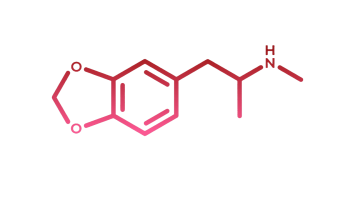
More information:
1
1 April 2025 17:02

Psychedelics such as MDMA (3,4-methylenedioxymethamphetamine) – and related legal analogues with similar effects – as well as classic psychedelics LSD (lysergic acid diethylamide) and psilocybin (the active ingredient in magic mushrooms) are increasingly being investigated as therapeutic aids. Existing treatments for conditions such as post-traumatic stress disorder (PTSD), anxiety, depression, and addiction are not effective for all patients. Psychedelics appear to be able to deepen therapy by, for example, reducing anxiety, increasing empathy, and providing access to subconscious processes. This report investigates which forms of therapy are most effective in combination with MDMA (and analogues), LSD, and psilocybin. We examine combinations with cognitive behavioral therapy (CBT), exposure therapy, non-directive (supportive) therapy, introspective approaches, and other relevant forms of therapy. We discuss their applications for various treatment goals, including PTSD, anxiety disorders, depression, addiction, and personal growth/meaning-making. Both scientific studies and practical experiences (clinical and alternative) are included. Finally, we highlight differences between clinical settings and informal/ceremonial environments, and which therapy approaches seem to best suit which substance.
Cognitive behavioral therapy (CBT) with MDMA, LSD, and psilocybin
MDMA + CBT: MDMA is known for its entactogenic properties – it promotes empathy and trust and reduces anxiety. This offers opportunities to enhance cognitive behavioral therapy, as patients are more open to discussing difficult memories or restructuring dysfunctional thoughts. A striking example is MDMA-assisted cognitive-behavioral conjoint therapy (CBCT) for couples with PTSD. In a pilot study with 6 couples (one partner of whom had PTSD), a shortened version of the 15-session CBCT program was combined with two joint MDMA sessions. The results were promising: large reductions in PTSD symptoms (effect size d 1.85–3.59) in the patient, as well as improvements in depression, sleep quality, emotion regulation, and trauma-related cognitions. Moreover, relationship satisfaction improved significantly for both the patient and the partner. This “MDMA-facilitated” CBT for couples thus demonstrated not only individual progress (fewer PTSD symptoms) but also relational growth. The combination of MDMA with a structured CBT approach appears synergistic here: MDMA facilitates emotional openness and reduces avoidance, allowing the cognitive restructuring and exposure elements of the therapy to penetrate more deeply.
In individual PTSD therapy, CBT is often applied in the form of trauma-focused CBT or cognitive processing therapy. Although MDMA therapy in clinical trials typically adopts a non-directive, supportive style (see below), there are also protocols that integrate CBT elements. For instance, in standard MDMA PTSD treatment, cognitive techniques are used to prepare patients for coping with intense emotions and to give meaning to lived experiences. MDMA can facilitate the formation of a strong therapeutic alliance, which is known as a crucial factor in the success of CBT. Because MDMA reduces defensiveness and increases self-confidence, patients can often look more honestly at their own irrational thoughts and accept new insights during CBT under the influence of MDMA without being blocked by fear.
Psilocybin/LSD + CBT: Traditionally, CBT was not often combined with classic psychedelics during the acute session, because these substances induce a long phase of greatly altered consciousness that is less conducive to structured conversations or homework assignments. Nevertheless, there are examples where CBT is used as a framework. A groundbreaking example is the psilocybin-assisted smoking cessation program at Johns Hopkins University. In this program, 15 nicotine-addicted adults received a 15-week protocol consisting of weekly cognitive behavioral therapy for smoking cessation, plus three sessions with psilocybin (administered in a therapeutic setting). This combined approach led to an impressive result: 80% of the participants were still smoke-free after 6 months—a success rate much higher than is typical with CBT or medication alone (by comparison: varenicline, one of the best existing agents, achieves ~35% abstinence after 6 months). The researchers emphasize that this success cannot simply be attributed to a direct biological effect of psilocybin, but rather to the deep self-reflection and motivation for change brought about by the psychedelic experience in a therapeutic context. Here, CBT served as preparation (building motivation, learning strategies) and as an integration framework to translate insights from the psilocybin experience into concrete behavioral change (such as coping mechanisms to prevent relapse). A similar approach has also been tested in alcohol addiction: a pilot study combined psilocybin with Motivational Therapy (MET) in alcohol-dependent patients and reported a significant reduction in alcohol consumption after the sessions. Although this was still small-scale, it suggests that psychedelics can strengthen existing CBT/MET protocols through a catalytic effect on motivation and insight.
For depression, CBT and its variants (such as behavioral activation or mindfulness-based cognitive therapy) are first-choice treatments. To date, psilocybin therapy for depression has often utilized a psychological support model rather than strict CBT, although the integration of cognitive techniques does occur. In recent trials of psilocybin for treatment-resistant depression, all participants received multiple sessions prior to dosing to provide them with cognitive frameworks and coping skills, as well as extensive debriefings. Although the acute psilocybin session itself is usually internally focused (without an active CBT session during the trip), the loosening of thought styles caused by psilocybin can make patients more receptive to cognitive restructuring afterward. For instance, Carhart-Harris et al. reported that patients often feel a “cognitive reset” after psilocybin experiences—rigid, depressogenic thought patterns appear to be broken, providing a unique opportunity to anchor new, healthier thoughts using CBT. A small series of cases suggested that adding acceptance and commitment therapy (ACT, a third-generation CBT) after a psilocybin session helped patients translate acquired insights into valuable daily behavior, although further research is needed in this area.
LSD + CBT: LSD has been used less frequently than psilocybin in recent clinical studies, but historically there are few examples of LSD directly combined with CBT (CBT itself was still emerging during the heyday of LSD therapy in the 1950s and 60s). LSD sessions lasted 8–10 hours, meaning the focus was more on deeper psychotherapeutic processes than on the step-by-step, conversational approach of CBT. In theory, LSD could help expose dysfunctional schemas—for example, by providing insight into the origins of negative self-images during a session—but practically, it is difficult to perform cognitive exercises during an intense LSD vision. However, there are modern initiatives to weave in elements of CBT. For instance, attention is paid to psychedelic-assisted CBT models: in this approach, therapists provide CBT-like support in the preparatory phase (e.g., challenging catastrophic thoughts that increase anxiety about the trip) and in the integration phase (e.g., challenging ‘ingrained‘ beliefs that were perceived as untrue during the trip). During the LSD experience itself, the attitude usually remains supportive and non-directive (see further), but afterwards, the therapist may, for example, apply cognitive techniques to sustainably implement the new perspectives. To date, however, there is little empirical data on a pure LSD+CBT combination for specific diagnoses; most LSD therapy studies have used a supportive/psychodynamic approach.
MDMA Analogues + CBT: Hardly any research is available in a therapeutic context regarding legal MDMA analogues (substances with similar entactogenic effects, such as methylone, 5-APB, 3-MMC, etc.). Anecdotally, some therapists report that these substances have comparable effects on openness and empathy, and could therefore potentially facilitate CBT just as MDMA does. However, pharmacologically speaking, MDMA is quite unique – few analogues approach the full effect profile of MDMA. For example, 3-MMC (until recently legally available in the Netherlands) does induce empathogenic feelings, but it also has strong stimulating properties and a shorter duration of action, which limits its applicability within a long-term therapy session. Moreover, the safety and effectiveness of these alternatives have not been clinically tested. It is expected that, should MDMA analogues be used therapeutically, they would benefit CBT strategies in the same way: by reducing anxiety and resistance, clients can focus better on cognitive restructuring and behavioral experiments. Nevertheless, MDMA itself remains the gold standard entactogen in research for the time being. In summary, CBT appears to be remarkably effective, particularly in combination with MDMA for trauma and psilocybin for addiction, whereas for depression and anxiety, the role of CBT lies more in the preparatory and integrative framework than in the acute session.
Exposure therapy and psychedelics
Exposure therapy—the systematic confrontation of fear-provoking stimuli or memories to extinguish fear responses—is a core component of treatments for PTSD, phobias, and obsessive-compulsive disorder. Psychedelics could further support exposure, particularly through their influence on fear conditioning and emotion processing.
MDMA + exposure in trauma (PTSD): One of the biggest challenges in PTSD treatment is that clients often avoid their traumatic memories because the fear and physiological stress are too intense. MDMA appears to reduce this obstacle: under MDMA, patients feel safe, emotionally supported, and less anxious, allowing them to dare to return to painful memories without becoming overwhelmed. In fact, MDMA allows someone to “relive” trauma with emotional distance and compassion, which is strongly reminiscent of exposure therapy. From a neuroscientific perspective, MDMA supports the fear-extinction learning process: increased oxytocin and serotonin under MDMA reduce hyperactivity of the amygdala (the fear center), while the sense of safety increases. As a result, threatening memories can be re-stored in a context of safety rather than panic. This mechanism fits within the Emotional Processing Theory of exposure: MDMA helps break the fear response and form new positive associations.
Based on these insights, specialized protocols are being developed that directly combine MDMA with exposure therapy. For instance, a pilot study was recently launched into MDMA-assisted mass Prolonged Exposure (PE) therapy for PTSD. In this protocol, patients receive full Prolonged Exposure treatment at an accelerated pace, with two of the imaginary exposure sessions taking place during a single MDMA session. Specifically, they first attend several daily PE sessions (including, for example, establishing an anxiety hierarchy and in vivo exercises), followed by an MDMA day in which the therapist guides the patient through the trauma memory while under the influence (imaginary exposure) with the anxiety attenuated, followed by further daily exposures. The idea is that MDMA expands emotional processing capacity and eliminates avoidance, allowing the patient to handle many intensive exposures in a short time that would otherwise be too burdensome. This study is still ongoing, but researchers consider the combination promising because MDMA may increase the effectiveness of exposure and potentially reduce the dropout rate (normally high in PTSD therapies). Previous case descriptions report that PTSD patients spontaneously confronted their traumas during MDMA sessions and that this was equivalent to multiple exposure sessions without MDMA, but with less anxiety and more self-forgiveness.
Classical psychedelics + exposure (anxiety disorders/OCD): For LSD and psilocybin, there is little research into explicit, structured exposure therapy during the trip. This is partly because a high-dose psychedelic experience is itself an intense, often overwhelming stream of internal stimuli. Directing someone towards an external phobic stimulus (such as a spider or a fear-of-heights situation) while under the influence would be unpredictable and potentially counterproductive. However, a form of internal exposure often does take place: psychedelics confront people with deep fears, existential concerns, or repressed memories. For instance, cancer patients who received psilocybin to treat their existential anxiety describe confronting death during the session—they “faced” their own mortality, which was a very frightening but ultimately liberating experience. This psilocybin-induced exposure to the core fear (fear of death) led to a drastic reduction in anxiety and depression scores after a single session, an effect that persisted for months in approximately 60-80% of the patients. The mystical or profound experience reported by many appears to function as a “corrective emotional experience”: one lives through the fear (loss of ego, control, etc.) but simultaneously experiences acceptance or a sense of unity, causing the earlier fear reaction to fade and make way for resignation. In a sense, this is an exposure on an existential level, facilitated by the psychedelic state and guided by a therapist who ensures a safe setting.
In obsessive-compulsive disorder (OCD), where exposure with response prevention is the gold standard, a few small studies have been conducted using psilocybin without traditional therapy. In an open trial, patients with severe OCD experienced a temporary, strong decrease in compulsive thoughts and actions following psilocybin. One hypothesis is that psilocybin “shakes” the brain out of rigid, fear-driven patterns, causing the obsessive fear of disaster to temporarily disappear and patients to perceive that nothing bad happens if they do not perform their compulsive action—effectively a spontaneous exposure with immediate response prevention. Although these effects were often short-lived, they suggest that psychedelics may stimulate the neural learning process behind exposure (for example, via neuroplasticity in prefrontal and limbic areas). Further research is needed to determine whether adding a guided psilocybin session to a standard OCD treatment protocol improves long-term outcomes.
Anxiety disorders/phobias in general: There are anecdotal reports of people experiencing less distress from specific fears after an LSD or psilocybin session. For example, a fear of heights that disappeared after someone had an experience of “being one with the sky” during a psychedelic trip and thus viewed their fear of heights as irrational. Such cases are isolated but suggest that cognitive reappraisal and emotional breakthroughs under the influence of psychedelics sometimes achieve the same effect as prolonged exposure training. Nevertheless, caution is advised: an unprepared confrontation with your deepest fear during a bad trip can actually be traumatizing. Therapeutic exposure with psychedelics therefore requires a careful setting and guidance. MDMA appears to be the most controlled option for targeted exposure (particularly for PTSD), thanks to its anxiety-reducing and emotionally stabilizing properties. LSD and psilocybin tend to cause a rollercoaster of perceptual and emotional stimuli, making structured exposure more difficult to plan. Their strength lies more in implicit exposure and insight (regarding fear of death, meaning-making, existential anxiety), whereas MDMA is also well-suited for explicit exposure of concrete traumas.
In summary, exposure therapy can primarily benefit from MDMA's ability to create a sense of safety during trauma re-experiencing. With classic psychedelics, exposure occurs more indirectly, through confronting internal fears during the experience. Both can lead to powerful emotional processing that is sometimes difficult to achieve with traditional substances.
Non-directive therapy and supportive guidance
What is non-directive therapy? This is an approach in which the therapist does not actively steer the content the patient is to discuss or feel, but primarily offers a safe, empathetic presence. The classic example is Rogerian client-centered therapy: unconditional positive disposition, empathic listening, and the belief that the client possesses an inner “healing intelligence.” A similar attitude is often adopted in psychedelic therapy. The idea is that the psychedelic experience itself is the “therapist,” and that the role of the facilitators is to monitor, support, and keep the process safe, without unduly influencing the direction of thoughts or images. This is important because psychedelics can make the mind highly suggestible; too much direction or interpretation by the therapist during the session can color the experience or even unintentionally impose beliefs.
MDMA-Assisted Psychotherapy (PTSD) – Inner Healing at the Center: In MDMA therapy models (as developed by MAPS for PTSD), therapists explicitly adopt a non-directive, supportive attitude during MDMA sessions. Patients are encouraged to turn their attention inward and allow whatever arises to surface, while therapists check in regularly (“How are you doing?”) and provide physical/emotional support (e.g., holding hands, speaking reassuringly when something frightening occurs). This approach presupposes an “inner healing intelligence” on the part of the patient: the subconscious often knows what needs to be worked on, and MDMA helps bring this to the surface. Mithoefer (lead researcher at MAPS) describes that the therapist follows the process and intervenes only minimally—for example, through gentle suggestions if a client gets stuck, or by offering interpretations with restraint only in the subsequent integration phase. Even during integration, the therapist remains primarily empathic, listening, and affirming, and any interpretations are presented cautiously so that the client can test them themselves. This non-directiveness during MDMA appears to work well: clients feel autonomous and safe, and can thus reveal their most vulnerable feelings. Studies show a strong correlation between the quality of this trusting relationship and the therapeutic outcome. Simply put: MDMA creates trust, the non-directive therapist safeguards that trust, and the client does the heavy work of processing at their own pace.
LSD/psilocybin – “set and setting” and supportive presence: In virtually all modern studies involving high-dose LSD or psilocybin, a distinct, consistent therapeutic model is employed that is purely supportive. This model was developed as early as the 1960s (e.g., by Stanislav Grof) and has been refined since then. Characteristics include: a living room-like session space, two therapists present as ’sitters,“ the use of quiet music and possibly an eye mask, and very little verbal interaction unless the patient requests it. Just before the start, the intention is reiterated, and the patient is invited to surrender to the experience (”go with the flow“). During the psilocybin or LSD session itself, the client usually sits or lies with their eyes closed; the therapists keep watch in silence and monitor the emotional state. Non-directivity is the norm here: therapists intervene only in cases of restlessness or distress, for example, by touching the person reassuringly on the shoulder, holding their hand, or coaching them with breathing if panic arises. They offer simple encouragements such as: ”Just feel, you are safe, let it come.“ A systematic review of therapeutic interventions involving psychedelics shows that virtually all recent studies follow this inner-directed approach. This applies to psilocybin treatment for depression, LSD treatment for anxiety in cancer patients, and psilocybin for addiction. Such a setting ensures that the participant focuses on the inner experiences without external distraction or guidance. Outcome studies are very positive: for example, in the case of depression, psilocybin with this psychological support was found to provide rapid and significant symptom reduction. Support and non-directivity have therefore proven essential to allow the potential of the psychedelic substance to come into its own – the process unfolds from within.
The importance of this approach also becomes clear when we look at older, directive approaches that were less successful. Experimental therapies in the past, in which therapists, for example, asked all kinds of questions during the trip or talked patients through scenarios, encountered resistance or confusion on the part of the patient. Current experts therefore emphasize: “trust the substance and the inner experience, do not force anything.”.
Non-directive support in an alternative setting: Outside the clinic, for example in ayahuasca or truffle ceremonies, we see both similarities and differences. A shaman or ceremonial leader usually does not provide individual guidance; all participants undergo their own journey while the leader creates a shared safe space through songs (icaros), rituals, and presence. Little one-on-one conversation takes place during the ceremony – this is in line with non-directivity (the experience itself does the work). However, the group aspect and the ritual context make the distinction: instead of a therapeutic dialogue, the collective setting and spiritual ambiance are the “therapeutic factor” here. In both cases (clinical and ceremonial), the core is that the patient/client is central to the process of gaining insights, with guidance that facilitates and protects, but does not dictate.
The effectiveness of non-directive, supportive therapy in combination with psychedelics is now clearly evident in research. For instance, researchers conclude that the therapeutic context (relationship, setting, support) is a strong moderator of the outcome – possibly just as important as the chemical substance itself. Good results in studies regarding PTSD, depression, and anxiety have been achieved without an intensive protocol during the session, but *with* an intensive, caring presence. For example: in a double-blind study of psilocybin for cancer-related anxiety, both the psilocybin group and the placebo group received exactly the same non-directive psychotherapy (including preparatory and integration sessions). It was only after the completion of the double-blind phase that it became known who had received psilocybin. The psilocybin group showed dramatic improvements, while the placebo group showed much less. From this, it can be deduced that psilocybin plus the right supportive setting had powerful effects, whereas support alone (placebo + therapy) was insufficient for most. Nevertheless, that therapy is an essential component: the absence of severe negative trips or long-term side effects in the clinical context underscores how important proper preparation and support are. After all, in unstructured environments, psychedelics can also trigger anxiety, disorientation, or even lasting psychological problems if someone is exposed to painful memories without guidance. The non-directive form of therapy then functions as a safety net: it offers the client the safety to confront challenging experiences and provides a warm foundation for processing them.
In short, supportive, non-directive therapy appears to be the universal success factor in psychedelic-assisted treatments, whether involving MDMA, LSD, or psilocybin. This form works well with all the substances mentioned, particularly for PTSD, anxiety, and depression, because it aligns with the inner processing elicited by the substances.
Introspective and insight-oriented approaches
Introspective approaches refer to therapies that emphasize self-inquiry, exploring inner experiences, emotions, and unconscious content. Examples include psychodynamic psychotherapy/psychoanalysis, Jungian therapy, Internal Family Systems (IFS), Gestalt therapy, existential therapy, or transpersonal approaches. Such therapies often align seamlessly with the phenomena occurring under psychedelics: consciousness wanders through deeper layers, the past, and symbolism, seeking meaning and integration.
Historical: LSD as a “psycholytic” in psychoanalysis – facilitating introspection: In the 1950s and 1960s, so-called psycholytic therapy developed in Europe, in which patients received low to medium doses of LSD or psilocybin (e.g., 25–100 μg LSD) during regular psychotherapy sessions. Pioneers such as Ronald Sandison and Hanscarl Leuner reported that LSD at this dosage promoted a breakthrough of unconscious material: defense mechanisms weakened, patients experienced regression to childhood memories, and repressed emotions surfaced. Leuner noted that LSD evoked rich, dreamlike imagery that aligned with the patient's biographical background, indicating meaningful psychodynamic content. Through repeated LSD sessions (for example, every few weeks), therapists and patients could analyze this content together, similar to dream interpretation but much more intense and direct. The effect was that long-standing neurotic patterns—which normally required years of classical psychoanalysis—surfaced within a few LSD sessions and could be processed. In Switzerland, a modernized form of this psycholytic therapy has recently been used in compassionate treatment for therapy-resistant anxiety and depression. This illustrates that LSD is viewed as an introspection tool: it expands access to the unconscious and accelerates insight-gaining processes.
In addition to psycholytic (multiple low-dose) therapy, psychedelic therapy (a single high dose for a breakthrough experience) was also known. This, too, was employed in an introspective sense: patients often received multiple psychotherapeutic sessions beforehand to discuss their life history and set intentions, followed by a high dose of LSD (200–400 μg) under supervision, and after a few days or weeks, intensive integration sessions to interpret the meanings. The emphasis here lay on a transcendent peak experience (with insight into existential questions, spiritual or symbolic visions) that was so life-changing that symptoms diminished as a result. For example, in cases of alcohol addiction, patients sometimes received a single LSD session during which they experienced deep self-insight or a sense of “rebirth”; this led to them being able to let go of their addiction, motivated by the new outlook on life. Meta-analyses of old trials suggest that a single high dose of LSD (alongside conversations) indeed significantly increased the likelihood of long-term abstinence compared to no LSD. Here, insight and a shift in perspective seem to be central: LSD broke through defensive denial in addicts and showed them, for example, the harmfulness of their use from an outsider's perspective, or provided a mystical experience that offered more fulfillment than alcohol, which in turn motivated abstinence.
MDMA and Introspective Processing (Trauma and 'Inner Parts'): Although MDMA is less hallucinogenic than LSD/psilocybin, it is a powerful catalyst for insight-oriented therapy regarding trauma, attachment issues, and other emotional blockages. MDMA induces a state of calm clarity, in which patients can often distance themselves from their own defenses and fear. As a result, they can—sometimes for the first time—look at themselves honestly and with compassion. A phenomenon frequently reported in MDMA therapy is that clients engage in a dialogue ‘from their Adult Self’ with younger parts of themselves that carry the pain (for example, the wounded child who experienced the traumas). This approach aligns strongly with Internal Family Systems (IFS), a modern form of introspective therapy based on the concept of different “parts” or personality aspects within a single person. Under MDMA, it becomes easier for patients to set aside their critical or anxious “protective” parts and let the vulnerable parts speak, because MDMA dampens feelings of shame and fear and increases empathy. Therapists trained in IFS describe MDMA as a “natural IFS accelerator”—people engage in their inner dialogue almost spontaneously, sometimes without explicit instruction. In this way, they can gain important insights, for example, realizing that the blame did not lie with themselves (an insight that was already cognitively known, but is now being emotionally integrated), or forgiving a younger self. In one qualitative study involving severe PTSD, for instance, participants reported increased self-acceptance, forgiveness, and emotional connection after MDMA therapy. These are clearly introspective results: inner conflicts have been examined and resolved. It is no exaggeration to state that MDMA sometimes achieves a breakthrough in deep-seated psychological patterns that years of talking have failed to accomplish. This is because MDMA provides a unique combination of calmness and sharpness: emotions are manageable, yet present and authentic, and the mind is clear enough to give them meaning. Consequently, in the integration conversations following MDMA sessions, connections are often made between current triggers and past experiences—classic psychodynamic insight—but now with a sense of compassion rather than distress. This allows traumas to find a place in a person's life story without dominating current functioning.
Psilocybin – Existential and Spiritual Insights: Psilocybin (and essentially LSD as well) can evoke experiences that closely resemble those sought after in existential or transpersonal therapy. Many participants in psilocybin studies report gaining profound insights about themselves and life: they recognized negative patterns that perpetuated their depression, or felt a renewed connection with their values, loved ones, and the world. A well-known phenomenon is the mystical experience reported by users of high doses of psilocybin. This is accompanied by feelings of unity, transcendent sacrality, a deeper understanding of the “self” beyond the ego, and indescribable euphoria or awe. In a clinical context, the degree of mystical/insight experience has been found to correlate with the degree of symptom improvement in anxiety and depression. This suggests that when psilocybin evokes strong introspective insights (e.g., “I now realize that love is central to my existence” or “I feel that I am part of something larger”), this is therapeutically very valuable. Therapists support this by revisiting those insights in integration sessions and asking how the person wishes to weave this into their life (for example, adjusting goals, setting different priorities, granting forgiveness to themselves or others). In a sense, psilocybin functions as an accelerator of existential therapy: where existential therapists attempt to get clients to reflect on death, freedom, meaninglessness, and connection, psilocybin pushes the client directly into an intense existential confrontation with these, often ending in a kind of catharsis or acceptance. For example, a depression patient reported after psilocybin therapy: “I cried over the loss of my mother, something I couldn’t do for 10 years, and now I finally feel that I can move on with my life” – a beautiful example of introspectively processing unresolved grief, made possible by the substance and the safe context.
Jungian and symbolic approaches: LSD and psilocybin often evoke archetypal images or mythical narratives. Some therapists with a Jungian background have utilized this by having patients draw pictures of their visions or by interpreting the symbolism together after the session. This can aid in personal growth and self-understanding. For example, if someone sees an image of a phoenix rising from the ashes during the trip, the therapist can explore this together as a symbol of transformation in the person's life (e.g., the end of an addiction and being reborn in recovery). Such interpretations must be carried out carefully and client-driven, so as not to override the client's own meaning-making. In practice, clients often derive meaning from their experiences themselves: “I saw that image and I knew: that is me, I can start over.” The therapist then merely needs to reinforce this. This integration of symbolism aligns with introspective forms of therapy that work with dreams and imagination, and psychedelics now provide a wealth of dream material in the waking state.
Application in personal growth and finding meaning: People without a clinical diagnosis also often seek out psychedelic experiences (at therapy-like retreats or with coaches) to promote personal growth, creativity, or a sense of purpose. Explicit insight-oriented methods are employed here. For example, in some creative professionals' workshops in the late 1960s, participants were given low doses of LSD and guided in brainstorming about a persistent problem – many reported being able to break through ’stuck“ ways of thinking and arrive at an original insight to solve their problem. In a more modern setting: life coaches sometimes offer (illegally, but operating underground) MDMA or truffle sessions in which the client formulates existential questions beforehand (”What is blocking me in my career?“) and attempts to gain insight into these during the session, followed by reflection afterward. Meaning-making therapy (such as logotherapy) in combination with psychedelics has not yet been systematically studied, but in practice, one sees that people, after a psychedelic experience, decide to bring their lives more in line with their values – a result that an existential therapist normally aims for for a long time. Psychedelics are therefore viewed by some therapists as ”accelerators“ of self-actualization: they reveal in a single afternoon what truly matters to someone, what their patterns or pitfalls are, etc., after which the person can use that knowledge to continue working in therapy or coaching.
Summary of the introspective approach: Certain psychedelics appear to offer slightly different introspective benefits depending on the substance. MDMA primarily facilitates compassionate emotional introspection (extremely suitable for resolving traumatic emotions and internal conflicts). LSD and psilocybin provide deeper existential-spiritual insights and access to the unconscious, which is useful for persistent depressive beliefs, existential suffering, and even addiction (where insight into meaning and purpose can support recovery). Forms of therapy that embrace these inner processes—such as psychodynamic therapy, IFS, and existential therapy—are therefore well-suited to psychedelics. It is important, however, that therapists are trained in handling the often unexpected content that surfaces (trauma, archetypal visions, euphoric but also terrifying experiences) and can place this within the context of the client's personal growth.
Differences between clinical and informal (alternative) settings
Psychedelic therapy can take place in regulated clinical settings (research trials, specialized treatment centers) or in an informal/alternative context (retreats, ceremonies, underground therapy). Although the goal—healing and insight—can be similar, there are important differences in approach and preconditions.
Clinical setting: Here, psychedelics are usually administered within the framework of research protocols or strictly controlled medical programs. There is extensive pre-screening: for example, exclusion of individuals with psychotic vulnerability, bipolar disorder, unstable cardiac conditions, etc., to minimize risks. The substances used are pharmaceutically pure and in precise dosages. Therapists are clinically trained (psychologists, psychiatrists) and adhere to ethical codes. The environment is private, safe, and comfortably furnished (sometimes a special therapy room with a home-like atmosphere, cushions, and music). A duo of therapists (male/female) is often employed to offer both masculine and feminine energy and to guarantee continuity and safety. The therapeutic model is usually predetermined: non-directive during the session, with fixed preparation and integration sessions built in. The emphasis is on addressing a diagnosed problem (PTSD, depression, etc.), and the outcome is measured using standardized questionnaires. A clinical therapist will help link the psychedelic experience to treatment goals (for example: how has this experience reduced your PTSD symptoms? What exposure did you have and what does this teach you about your triggers?). Physical safety is also closely monitored in a clinical context: medical monitoring may be present (heart rate, blood pressure), certainly with substances like MDMA. Because everything is so well-structured, we see few serious side effects and virtually no long-term adverse psychological consequences in trials. Should someone feel detached in the days following or have difficulty with integration, professional aftercare is available. The language and interpretive frameworks in a clinical context are usually psychological or biomedical; spiritual components are acknowledged (such as “a mystical experience can be therapeutic”), but the therapist will discuss this primarily in terms of personal meaning and not directly say “you met an entity” or similar, so as not to impose their own belief system.
Informal/alternative setting: This encompasses a wide range, from traditional shamanistic ceremonies (ayahuasca circles, truffle ceremonies) to New Age retreats and illegal in-home therapeutic sessions. In these settings, there is often no formal permission or legality: operations operate in a grey zone or illegally. Consequently, there is no standard screening; the responsibility lies with the participant to be aware of their medical/psychological condition, although good facilitators do conduct an intake interview and inquire about contraindications. The context can be strongly spiritual/religious in nature – e.g., the use of prayers, chants, and rituals – or conversely “wellness-like” with yoga, meditation, and group sharing. Shamanistic approach: views problems as spiritual imbalance and uses the ceremony to restore harmony. The shaman does not function as a psychologist questioning your past, but as a guardian of the space and a mediator with the “spiritual.” There are often group sessions, which offer both support (a sense of community) and potentially entail less individually focused attention. The strength lies in the fact that the sense of ritual and connection can be healing in itself—something less present in a clinic. However, the downside is that there is less emphasis on integration afterwards; traditionally, participants go home after the ceremony without weeks of therapy. This is changing, though: many retreats now offer integration circles or recommend psychological help afterward, realizing that otherwise valuable insights might be lost or people might remain confused.
In alternative sessions, such as underground MDMA therapy with a coach, it is often one-on-one in a home-like setting. The facilitator is not necessarily registered with the BIG (Dutch register of healthcare professionals), but may still be experienced. He or she has more freedom than in research: creatively combined therapy is sometimes provided (e.g., a mix of cognitive and body-oriented techniques, or hypnosis during the trip). This can be individually tailored and therefore very effective if the facilitator is competent and not burdened by protocol pressure. The risk lies in less control: quality varies, and without supervision, excesses or ethical misconduct can unfortunately occur (such as transgressive behavior by unauthorized persons). In clinical trials, sessions are videotaped for quality assurance – in the underground, trust in the therapist is essential.
Another difference is the choice of substance and legality. In countries where psilocybin truffles are legal (such as the Netherlands), retreats often choose them as an alternative to illegal magic mushrooms or LSD. MDMA is illegal almost everywhere, so in alternative circles, people sometimes turn to “legal substitutes.” For instance, until 2021, 4-FA or 5-MAPB was not explicitly prohibited in some areas, and there are reports that certain groups used these substances as an MDMA alternative in empathogenic group sessions. 3-MMC (long a legal designer drug in the Netherlands) was also occasionally used instead of MDMA in a therapeutic context due to its comparable entactogenic effects, although 3-MMC is now also banned. In short, in alternative circles, people sometimes experiment with substances with which there is less experience, which entails risks. Scientific evidence regarding these analogues is lacking, so any positive experiences are anecdotal and must be viewed with caution.
Suggestibility and Framing: In ceremonies, the experience is often interpreted through a spiritual framework—for example, visions are said to be “messages from the plant spirit.” This can be enormously meaningful for some participants (it offers a narrative to understand the experience), but confusing for others if it clashes with their own worldview. In a clinical setting, a therapist is likely to ask “What did that experience mean to *you* personally?” rather than say “This was an encounter with God”—the clinical approach leaves the interpretation to the client to prevent heightened suggestibility from leading to indoctrination. In a shamanistic setting, the cosmology of the shaman is often taken as a given (spirits, energies, past lives, etc., can be offered as explanations). For some trauma survivors, this offers comfort (they feel cleansed by the ritual, for example), but others may become confused by it or perceive it as too New Agey. The best practice probably lies somewhere in the middle: respect for the subjective, possibly spiritual nature of the experience, without imposing anything on the client.
One advantage of informal settings is sometimes the proximity to the target group. Someone who is distrustful of mental health care can still seek healing through an ayahuasca ceremony without feeling the stigma of being a “patient.” Ceremonies are also generally more affordable or even donation-based, whereas clinical treatments (especially if uninsured) can be expensive. On the other hand, psychedelic ceremonies are not risk-free – there have been cases of exacerbation of psychosis or suicidal crises following careless ceremonies. Clinical approaches attempt to minimize these risks through screening and aftercare.
Conclusion regarding the difference: Clinical and informal approaches each have their strengths. The clinical approach offers professionalism, predictability, and medical safety, and is tailored to treating recognized conditions with measurable results. The informal/shamanistic approach offers culturality, spirituality, and often a sense of community, which can be a rich context, particularly for finding meaning and personal growth. Ideally, both worlds learn from each other. For instance, a future model of psychedelic care could integrate elements of ritual and community into a responsible clinical framework—for example, psilocybin group therapy that offers both psychological guidance and space for shared meaning-making.
In both settings, it is now clear that accompanying therapy is essential. The time when people thought they could simply take a trip and become “enlightened” is over. While someone can indeed have a profound experience without guidance, it is the surrounding support that determines whether this brings about lasting positive changes or not.
Conclusion
Psychedelics open new perspectives in psychotherapy. Our research shows that certain forms of therapy align particularly well with specific substances and goals:
PTSD and trauma: MDMA-assisted therapy in a safe, primarily non-directive setting is the most impressive combination to date. In Phase 2 and 3 studies, around ~67% of chronic PTSD patients achieved complete remission or significant improvement after a few MDMA sessions with therapy—results rarely achieved with standard trauma CBT or EMDR. This success appears to be due to MDMA's unique anxiety-reducing and empathogenic effects, allowing patients to dare to face their trauma (exposure) and emotionally reconnect (restructuring of negative beliefs) in the presence of a supportive therapist. Combinations such as MDMA + (cognitive) partner therapy also show that MDMA promotes relational processes, which is important because trauma often needs to be healed within a social context. LSD has historically been used for trauma (Bastiaans' LSD therapy for concentration camp syndrome), but this was uncontrolled and is not currently applied. Psilocybin is currently being cautiously investigated for PTSD (including among practitioners who are not yet permitted to use MDMA), but hard data are lacking. In general, where treatment requires trauma exposure and emotion processing (PTSD, complex trauma), MDMA combined with a trauma-oriented, yet non-directive therapy appears to be by far the best match.
Anxiety disorders (social anxiety, phobia, generalized anxiety) and existential anxiety: MDMA shows potential for social anxiety – in the pilot study with autistic adults, a very large reduction in social anxiety was achieved with MDMA psychotherapy that lasted 6 months. An element of CBT (social skills training) was interwoven during preparation, suggesting that MDMA + CBT facilitates social insight and adaptation. For more diffuse anxieties and rumination disorders, classic psychedelics combined with non-directive, insight-oriented therapy are promising: they break through existential anxiety and often restore a deep sense of meaning and connectedness. In cancer patients with death anxiety, psilocybin sessions with supportive therapy achieved an anxiety reduction within one day that conventional therapy did not achieve in months, and this persisted for at least 6 months at 60-80%. LSD showed a similar effect in a Swiss study: significantly reduced anxiety in terminal patients two months after LSD psychotherapy, with an effect size of ~1.1. This context calls not for behavioral change but for acceptance and finding meaning – a domain where introspective psychedelics excel. Conclusion: For anxiety related to existential questions or strong conditioning (social anxiety, existential anxiety), psilocybin/LSD work best with a supportive, insightful framework; for specific anxieties or social inhibition, MDMA + a coaching CBT approach can mean a great deal by helping people come out of their shells.
Depression: For severe, treatment-resistant depression, psilocybin with psychological counseling has now been declared a breakthrough therapy. Open-label studies show strong decreases in depression scores within 1-2 weeks after psilocybin, and an RCT demonstrated that two psilocybin sessions were as effective as 6 weeks of a standard antidepressant (escitalopram)—with psilocybin scoring even better on secondary outcomes (life satisfaction, reduced anhedonia). The form of therapy here was supportive, with a strong focus on integrating insights (e.g., regarding self-image or ingrained negative schemas). Cognitive therapy can be used after psilocybin to consolidate new thought patterns, but during the acute experience, letting go is more important than analyzing. MDMA has also been explored for depression, as it can provide a short-term boost in mood and connection that pulls a depressed patient out of their negative spiral. There are case reports of patients with treatment-resistant depression who improved significantly for weeks after a few MDMA-assisted sessions, likely due to the rediscovery of a warm emotional state and a breakthrough in feelings of isolation. However, no large-scale RCT for MDMA in depression has been published by 2025, partly because the focus of MDMA research has been on PTSD. Ketamine (another substance) has since been approved for depression; interestingly, ketamine clinics often incorporate a therapeutic conversation around the ketamine session, confirming the analogy that psychedelic substances work optimally in combination with therapy. Conclusion regarding depression: Psilocybin + supportive/insight therapy is the most advanced in terms of evidence and offers rapid relief; MDMA + therapy could also help certain depressed individuals who are depressed primarily due to trauma or social isolation, but requires further research.
Addiction (substance abuse): Both classic psychedelics and MDMA show potential, but in different ways. Psilocybin + CBT/MET yielded exceptional results in tobacco addiction (80% abstinence, unparalleled), and initial studies on alcohol addiction show that a few psilocybin sessions combined with motivational counseling can drastically reduce drinking. LSD research in the 1960s also showed nearly a doubling of quit rates in alcoholism compared to placebo (meta-analysis OR ~1.96). The common denominator is that psychedelics help addicts break free from their rigid self-destructive patterns and gain a new perspective – participants often report ’seeing themselves from a distance“ and no longer feeling the urge because they found something more important or renewed (e.g., health, family, spirituality). Adding therapy ensures that these insights are translated into concrete steps and coping skills to prevent relapse. MDMA has only recently come into focus for addiction: the open-label Bristol Study (BIMA) in alcoholics showed that MDMA psychotherapy was safe and feasible, with a substantial decrease in alcohol intake 9 months after detox (from ~130 units to ~19 units per week on average). The therapy used was a recovery-oriented model, in which participants both discussed addictive habits and performed emotional work while under MDMA (many participants appeared to have underlying traumas for their addiction, which they were now able to process). MDMA can therefore be particularly useful when addiction is linked to trauma or socio-emotional issues; it promotes insight into why someone uses (e.g., suppressing pain) and helps break through self-blame, paving the way for addressing the addiction in a sober state. Conclusion regarding addiction: Psilocybin/LSD combined with a behavioral program (CBT/MET) can strengthen motivation and insight to such an extent that abstinence rates become much higher than normal. MDMA therapy seems particularly suitable as preliminary work for dual diagnoses of trauma + addiction, or to pry loose therapy-resistant addicts who are emotionally stuck.
Personal growth and meaning: In a non-clinical context, this is perhaps the most sought-after goal in psychedelic use. Here, we see that an introspective, non-directive approach within an appropriate framework yields the greatest effect. After a well-guided LSD or psilocybin session, people often report a renewed sense of purpose in life, increased creativity, deeper spiritual connection, and improvements in well-being and mindfulness skills. These outcomes are difficult to quantify, but qualitative research confirms significant positive life changes (e.g., abandoning a meaningless career path and choosing work that provides true fulfillment after a retreat). Therapeutically, this amounts to facilitating a safe space where someone can discover themselves without the pressure of a “diagnosis.” A non-directive yet focused approach—for example, formulating an intention (“what am I struggling with in life?”) followed by the psychedelic session, and subsequent integration conversations to evaluate that intention in light of the experience—proves effective here. Many integration coaches use elements from developmental psychology, existential therapy, and creative therapy to help clients give meaning to their experiences. The choice of substance is often pragmatic: psilocybin (truffles) is accessible and provides 4-6 hours of introspection; LSD has a longer-lasting effect and is powerfully visionary (some prefer this for creative exploration); and MDMA is used by couples or in relationship therapy to break patterns together and achieve deep, open communication. For instance, there are relationship therapists who (under the radar) administer MDMA to both partners during a 6-8 hour session: conflicts are then discussed from a place of love and understanding rather than blame—an experience that can permanently benefit the relationship afterward.
In summary, in the table below we once again show some prominent combinations of substance + form of therapy + treatment goal see with their effects:
| Psychedelic combination | Application/purpose | Effectiveness (findings) |
|---|---|---|
| MDMA + supportive trauma psychotherapy | PTSD (chronic, treatment resistant) | ~67% remission after 2-3 MDMA sessions + therapy (phase 3 trial)
; significant symptom reduction even with comorbid dissociation/depression. |
| MDMA + CBT conjoint therapy (couples) | PTSD in couples (trauma & relationship problems) | Significant decrease in PTSD symptoms and Improvement in relationship functioning; both partners report more understanding, less avoidance. |
| MDMA + massive exposure (prolonged exposure) | PTSD (veterans, complex trauma) | In study (pilot); rationale: MDMA promotes emotional processing and represses fear during imaginary exposure. Faster and deeper extinction of trauma fear is expected. |
| MDMA + mindfulness training (MDMA-ATM) | Social anxiety in autism | Rapid and long-term decrease in social anxiety (Cohen's) d=1.4 at 1 month); improvement in social adaptation and mood, without side effects. |
| Psilocybin + cognitive behavioral therapy | Addiction (nicotine) | 80% abstinence after 6 months – exceptionally high vs. ~30% with standard methods; participants call the psilocybin insights “crucial” for their quitting process. |
| Psilocybin + Motivational Interviewing (MET) | Addiction (alcohol) | Pilot results: drastic reduction in alcohol use and increased abstinence rate up to months after treatment. |
| LSD (1 session) + standard addiction treatment | Addiction (alcohol) | Meta-analysis of 6 RCTs: single LSD significantly increased the chance of improvement (OR ~1.96); effect lasted for months (often combined with counseling or AA meetings). |
| Psilocybin/LSD + supportive therapy | Anxiety & depression in life-threatening illness | ~60-80% had at 6 months clinically significant less anxiety/depression, plus increased quality of life and sense of purpose. Mystical experience proved to mediate the therapeutic effect. |
| LSD + psycholytic psychotherapy | Neurotic disorders, trauma (historical) | Case/documentation: Multiple low doses of LSD brought repressed traumas and emotions to the surface; many patients achieved breakthroughs in self-insight and symptom reduction that equaled years of classical analytical work. (Current use restricted to Switzerland compassionate use). |
| MDMA analogues (e.g. methylone, 3-MMC) + therapy | (Diverse, experimental in an alternative setting) | Virtually no scientific data; anecdotally comparable acute effects to MDMA on empathy and anxiety, but MDMA itself remains superior in investigated therapeutic potential. The use of analogues is experimental and unregulated. There may be better analogues of MDMA that still need to be investigated. |
Table: Overview of some therapy-psychedelic combinations and their outcomes.
From the table and the discussion, it is clear that no single approach is one-size-fits-all. However, clear lines are:
Safe, empathetic support (non-directive) is universally beneficial – it forms the basis regardless of which further technique is employed.
MDMA combines particularly well with therapies aimed at trauma healing and relational processing (exposure therapy, CBT for PTSD, couples therapy), thanks to the removal of anxiety and the promotion of emotional openness. Cognitive and behavioral therapies can also be facilitated by MDMA (making it easier to adopt new thoughts, daring to initiate behavioral change).
LSD and psilocybin align seamlessly with insight-oriented, introspective therapies – they bring existential and unconscious themes to the fore that can be integrated through psychodynamic or existential approaches. These substances appear less suitable for protocol-based CBT during the session, but are highly suitable for use in combination with, for example, mindfulness, creative therapy, or spiritual guidance.
For addiction, we see a pragmatic approach: classic psychedelics to catalyze motivation and insight in combination with CBT/MET for behavioral change, and MDMA possibly for comorbid traumas or therapy-resistant cases where emotional work is needed first.
For personal growth, the setting is sometimes more important than the specific therapeutic method: a well-structured ceremony or an experienced coach can be just as valuable as formal therapy, as long as integration takes place.
At the same time, we must emphasize that psychedelics are not magic in themselves – they enhance the effectiveness of therapy, but the therapy itself (the human guidance, the trust, the methodology) remains essential. As a saying in the field goes: “The drug puts you in the room with your issues, but it's the therapy that helps you solve them.” Thanks to renewed research interest since around 2010, we are learning increasingly better how to use these substances responsibly. It is expected that in the coming years, MDMA (for PTSD) and psilocybin (for depression) will become standard treatments in some countries, with therapy manuals providing standards for the optimal integration of, for example, CBT elements, meditation, or creative expression into the treatment process.
Finally, it is important to realize that therapy with psychedelics is multidisciplinary in nature: it requires collaboration between psychiatrists, psychologists, neuroscientists, and potentially spiritually oriented counselors. The most effective form may well be a hybrid that encompasses both scientific rigor and safety, as well as the recognition of subjective experience and the spirituality that characterizes alternative settings. In this way, we can do justice to the complex, psychological, and mystical dimensions of healing that these substances can bring about. In all cases, the combination of the right substance with the right form of therapy, applied to the right problem, can yield impressive breakthroughs that previously seemed unattainable—a hopeful outlook for the future of mental health care.