26 September 2024 13:09
Topic starter
0

What is the difference in trauma therapy between having and not having MDMA support?

28 September 2024 11:01
What is the difference in trauma therapy between having and not having MDMA support?
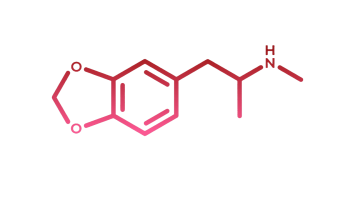
Trauma therapy can be organized in various ways, and the use of MDMA (3,4-methylenedioxymethamphetamine) as support in this therapy offers unique benefits and effects compared to traditional therapies without this 'drug'.
During an MDMA session, clients often experience a heightened state of openness, empathy, and connection. This makes it easier to allow emotions, while potentially alleviating anxiety. Research has shown that MDMA reduces anxiety and creates a sense of safety, which is very welcome for processing trauma. Unlike traditional therapies, where clients may be reluctant to share painful memories, MDMA can facilitate confronting these experiences without being overwhelmed by fear.
The presence of MDMA can strengthen the therapeutic relationship. The use of MDMA can cause clients to feel more connected to the therapist, which can increase the effectiveness of the therapy. This heightened sense of connection can lead to a greater willingness to show vulnerability and be candid about their experiences. This is an important aspect of trauma therapy, where trust and safety are essential.
MDMA can accelerate the therapy process by enabling the client to work through emotional blockages more quickly. Research has shown that MDMA-assisted therapy can lead to faster and more lasting improvements in symptoms of post-traumatic stress disorder (PTSD) and other trauma-related conditions. This contrasts with traditional therapies, which often require a longer process to achieve comparable results.
An additional benefit of MDMA-assisted therapy is that exposure therapy yields results much faster because the positive emotions caused by MDMA are linked to the triggers. As these triggers acquire positive associations more quickly, anxiety symptoms decrease during situations that were previously perceived as anxiety-provoking.