30 September 2024 19:01
Topic starter
1

Why did magic mushroom therapy become illegal?

1 October 2024 19:34
Why did magic mushroom therapy become illegal?
Mushroom therapy became illegal due to a combination of social, political, and economic factors. The criminalization of magic mushrooms and other psychedelics began in the 1960s and 1970s, a period of growing concern regarding the use of these substances, particularly among young people. There was also a fear that the hippie culture could not be controlled by the government.
One of the main reasons for the illegalization in the Netherlands in 2008 was the fear of the effects of psychedelics on mental health and user behavior. Several incidents had been reported in which people under the influence of magic mushrooms or other psychedelics created dangerous situations, often in combination with alcohol or other drugs. These incidents were amplified by the media, leading to a negative perception of psychedelics in general.
Moreover, the pharmaceutical industry played a role in the criminalization of psychedelics. There are indications that the rise of the pharmaceutical industry, which focused on developing synthetic drugs for mental health problems, led to a decline in the acceptance of natural and traditional healing methods, such as paddotherapy. The economic interests of pharmaceutical companies may have contributed to the negative perception of psychedelics, which were seen as competitors to their products.
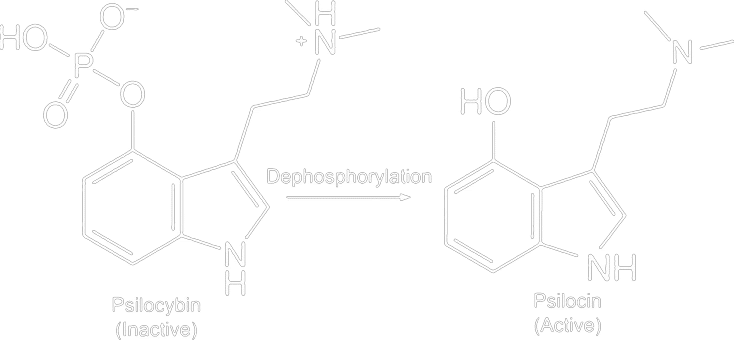
In the Netherlands, magic mushrooms have been declared illegal since 2008, but magic truffles, which contain the same active substances, are legal. This offers an opportunity for conducting therapies with psilocybin, albeit in a different form. The current approach to mushroom therapy in the Netherlands focuses on the use of these legal truffles. Therapeutic sessions with truffles are often truffle therapy named.
1 Answer
1
26 May 2025 08:33

Mushroom therapy was declared illegal in the Netherlands on December 1, 2008. This decision stemmed from a combination of societal concerns, political pressure, and media-friendly incidents in which magic mushrooms were linked to accidents, sometimes with fatal consequences. Although it turned out in retrospect that this was often a case of polydrug use (a combination of magic mushrooms with alcohol or other drugs), the public unrest led the government to decide on a ban to protect public health.
According to the message about mushroom therapy The media played a major role in this. Incidents involving young people under the influence of magic mushrooms were greatly exaggerated, leading to a negative public perception. The government therefore placed magic mushrooms on the list of prohibited substances, making their use and therapeutic application punishable by law.
Like Marcel wrote about the legal status of magic mushrooms It is possible that economic and cultural factors also played a role. There was fear of the increasing influence of the “uncontrollable” hippie culture, and the rise of the pharmaceutical industry meant that natural remedies such as magic mushrooms were viewed as a threat. Psychedelics did not fit into the medical business model of synthetic medicines.
Although magic mushrooms are illegal, they are magic truffles — which contain the same active substance psilocybin — in the Netherlands legal. As a result, it is still possible to via a psilocybin session or truffle session to make use of the therapeutic effects of these substances, provided it is properly supervised and with regard for safety and health. Many therapists and experts by experience therefore advocate for a revision of the ban on magic mushrooms and call for the legalization of natural psychedelics in a controlled therapeutic setting.