24 February 2025 20:03
Topic starter
0

Is ayahuasca a drug?
1 Answer
1
25 February 2025 01:13

Yes, ayahuasca is a drug. It is even a hard drug under Dutch law!
Ayahuasca is a traditional South American brew known for its powerful psychoactive effects. It is prepared from the Banisteriopsis caapi vine and leaves of the Psychotria viridis plant. The leaves contain dimethyltryptamine (DMT), a powerful hallucinogenic substance, while the vine contains monoamine oxidase inhibitors (MAO inhibitors) that prevent the breakdown of DMT in the body, allowing the psychoactive effects to occur.
In the Netherlands, DMT is classified as a hard drug and is listed on List I of the Opium Act. This means that the possession, sale, and use of DMT, and consequently ayahuasca, are illegal. In 2018, the Supreme Court confirmed this ban, meaning that even religious groups that previously had exceptions, such as Santo Daime, are no longer allowed to hold ayahuasca ceremonies.
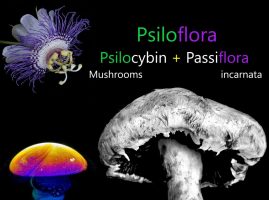
Due to legal issues and potential health risks associated with the use of ayahuasca, such as nausea, vomiting, and interactions with other medications, some people seek alternatives. A legal and safer alternative in the Netherlands is the use of psilocybin-containing truffles. Psilocybin is a natural psychedelic substance that is orally active and does not require MAO inhibitors, thereby reducing the risk of side effects. A specific combination is psiloflora, in which magic truffles are combined with passionflower (Passiflora incarnata), a mild MAO inhibitor. This combination can lead to a calmer trip with fewer side effects and a longer duration.
Reading suggestions: