12 March 2024 20:39
Topic starter
0

What does psilocybin do?
Psilocybin is a psychoactive and psychedelic substance found in magic mushrooms and truffles. It has various effects on the brain and body that may come into play during psilocybin therapy. Here are the main effects of psilocybin on humans:
1. Increased serotonin releasePsilocybin promotes the availability of serotonin in the synaptic cleft, resulting in increased serotonin concentrations in certain parts of the brain. This can lead to altered neuronal activity and communication.
2. Stimulation of serotonin receptorsPsilocybin binds to and specifically activates 5-HT2A receptors, which are involved in the regulation of mood, perception, and cognition. By stimulating these receptors, psilocybin alters signal transmission in the brain, resulting in the experience of hallucinations, altered consciousness, and other effects.
3. Increased neuroplasticityPsilocybin can also promote neuroplasticity, the ability of neurons to form new connections. Due to the additional stimulation of the serotonergic receptors, more BDNF (Brain-Derived Neurotrophic Factor) is produced. BDNF has been shown to stimulate the growth of neural branches (dendrites) and the number of dendritic spines, which can contribute to long-term changes in brain structure and function.
4. Reduced activity in the amygdalaThe amygdala is a part of the brain involved in processing fear and stress. Research has shown that psilocybin can reduce activity in the amygdala, which can contribute to reducing feelings of stress.
More about psilocybin: Psilocybin info | Psilocybin ceremony | Psilocybin therapy
2 Answers
1
21 April 2025 15:06

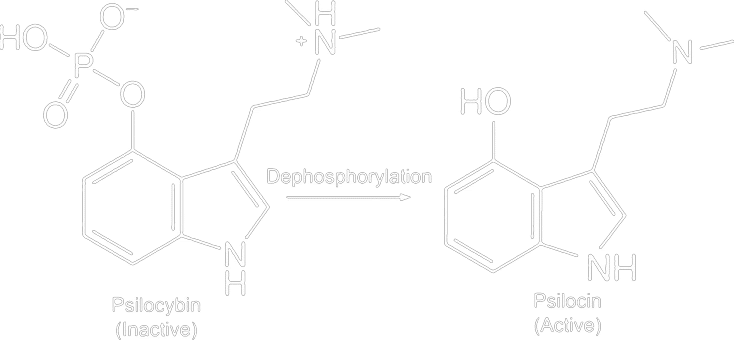
Psilocybin is the active ingredient in magic truffles and magic mushrooms, and is converted in the body into psilocin, a powerful psychedelic substance that closely resembles serotonin. Psilocin binds to serotonin receptors in the brain, particularly the 5-HT2A receptor, which is responsible for consciousness, mood, sensory perception, and self-reflection.
The main effects of psilocybin his altered perception of time and space, visual hallucinations, heightened sensitivity to sensory stimuli, and often deep emotional or spiritual insights. Many users report feelings of oneness, love, or ego-dissolution — a temporary state in which the distinction between oneself and the world blurs.
On a neurological level, psilocybin has a number of impressive properties. According to the scientific explanation of Triptherapie psilocin increases the production of BDNF (Brain-Derived Neurotrophic Factor), which ensures neuroplasticity: the brain literally becomes more flexible, forms new connections, and can revise old thought patterns. This explains why psilocybin can be effective for depression, anxiety disorders, PTSD and addiction.
Moreover, psilocybin reduces the activity of the amygdala, a brain area involved in fear processing, and temporarily lowers self-awareness (ego), which helps to look at yourself with less judgment. This creates space for insights and acceptance of yourself or painful experiences.
After a psilocybin session, our clients often speak of a breakthrough in their thinking, relief of symptoms, and a sense of calm or direction. The exact experience depends heavily on the dosage, preparation, and guidance.
Do you want to discover if a psilocybin session Is this something for you? Then complete the no-obligation intake form to receive tailored advice on safety, dosage, and therapeutic goals.
0
25 April 2025 13:01

It makes you trip. It is a journey that can become emotional, but it takes you to the core of who you are. Psilocybin strips away illusions, such as the idea that you might not be good enough.