
Topic starter
Ageing is often seen as something that happens naturally, but from a biological perspective it is a complex interplay of processes that influence and reinforce one another. DNA damage, a decline in energy production within cells, chronic inflammation and reduced brain plasticity together account for the phenomenon we call ageing. The question is therefore not only why we age, but also whether and how these processes can be influenced. In this blog, we explore the theoretical role of psilocybin and ergothioneine, supplemented by other substances and mechanisms, as potential factors influencing healthy ageing.
Ageing as a biological system
When you look at ageing from a scientific perspective, it becomes clear that it is not a single process but a network of biological changes. Telomeres shorten with every cell division, causing cells to eventually stop dividing, whilst at the same time damaged cells accumulate and continue to produce inflammatory substances. Mitochondria, the cell’s powerhouses, function less efficiently as we age, leading to reduced energy levels and increased oxidative stress. The immune system also becomes unbalanced, leading to chronic low-grade inflammation. These processes reinforce one another, causing ageing to accelerate once a certain point is reached. Modern anti-ageing approaches therefore increasingly focus on influencing multiple systems simultaneously rather than a single mechanism.
Psilocybin and biological rejuvenation
Recent studies suggest that psilocybin may do more than simply influence consciousness and mental processes. In research involving human cells, as described in the study on PMC12238350, it was shown that the active metabolite psilocin can significantly extend the lifespan of cells. Cells exposed to psilocin continued to divide for longer, showed fewer signs of ageing and had less oxidative damage. In addition, telomeres were better preserved than in untreated cells, suggesting that psilocybin may influence fundamental ageing processes. These findings are consistent with earlier hypotheses, which are also discussed in https://triptherapie.nl/psilocybine-tegen-veroudering-van-dna-bescherming-van-telomeren/ , which explains how mental health, stress and telomere length are linked.
Neuroplasticity and mental rejuvenation
One of the most widely studied effects of psilocybin is its influence on neuroplasticity, whereby the brain can form new connections and adapt existing patterns. This process is regulated, amongst other things, by BDNF, a growth factor that is essential for the repair and growth of neurons. Under the influence of psilocybin, the flexibility of brain networks increases, enabling people to break free from rigid thought patterns and emotional blockages. This effect is often experienced as a mental renewal and can be seen as a form of functional rejuvenation of the brain. When these insights are properly integrated, they can contribute to a long-lasting effect on behaviour and well-being.
Ergothioneine as a cellular protector
Whilst psilocybin primarily affects the brain and mental processes, ergothioneine targets the very foundation of the body: the cells themselves. Research such as that published via https://pubs.acs.org/doi/10.1021/jf104798n shows that ergothioneine is found in high concentrations in mushrooms and is actively absorbed by the body. This occurs via a specific transporter that carries the substance to vulnerable tissues, such as the brain and liver. The fact that the body has a specialised transport system for ergothioneine suggests that this substance has an important biological function. Unlike many other antioxidants, ergothioneine remains stable and can provide long-term protection against oxidative stress.

Mitochondria and energy production
More recent studies, including the *Cell Metabolism* study you mentioned earlier, show that ergothioneine not only acts as an antioxidant, but is also involved in the regulation of mitochondria. Through mechanisms such as H₂S signalling and protein modifications, ergothioneine can improve the efficiency of energy production and reduce cellular stress. This is relevant because mitochondrial dysfunction is one of the key characteristics of ageing. When cells produce energy less efficiently, the risk of damage and dysfunction increases. By supporting these processes, ergothioneine can help maintain cellular vitality.
Ergothioneine and healthy ageing
A recent review from 2025 via https://www.sciencedirect.com/science/article/pii/S2666354625001541 shows that lower levels of ergothioneine are associated with faster ageing and an increased risk of cognitive decline and chronic diseases. Initial human studies have found evidence that supplementation may contribute to improved cognitive performance and sleep quality. Although these results are not yet definitive, they point in the same direction as animal studies in which improvements in health and lifespan were observed. This makes ergothioneine an interesting candidate in longevity research.
Fisetin and the clearance of old cells
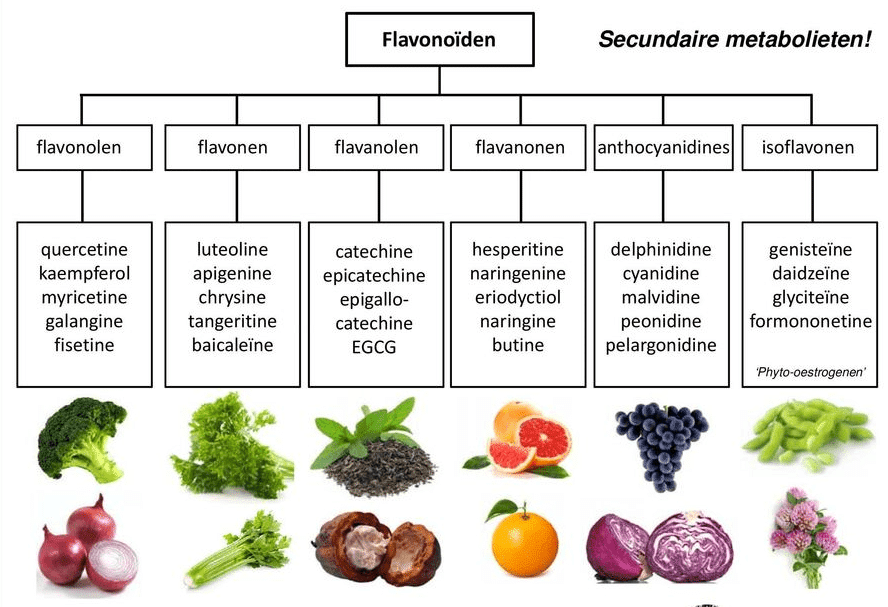
Another important aspect of ageing is the accumulation of senescent cells, which no longer function but continue to produce harmful substances. On https://triptherapie.nl/langer-jong-blijven-door-fisetine/ explains how fisetin can help remove these cells. Clearing away these “zombie cells” creates space for healthy cells to function more effectively, which can lead to a reduction in inflammation and an improvement in tissue function. This mechanism directly addresses one of the fundamental causes of ageing.
The immune system and ageing
Ageing of the immune system, also known as immunosenescence, plays a major role in the development of chronic diseases and general decline. In the study conducted via https://doi.org/10.3389/fimmu.2025.1570441 It has been shown that combinations of vitamin D and NAC can lower markers of ageing in immune cells and reduce inflammation levels. This demonstrates that the immune system is not static, but remains malleable, even in later life. By reducing inflammation, the body can recover and function more efficiently.
Acetylcholine and cognitive stability
In addition to structural changes in the brain, neurotransmitters play an important role in cognitive ageing. The study via https://doi.org/10.1186/s12877-024-05531-y shows that supporting the cholinergic system, for example through choline, may influence cognitive functions in older people. Although the evidence is still limited, this research highlights the importance of neurotransmitters in maintaining memory and learning ability. Combined with the neuroplasticity that psilocybin can stimulate, this creates an interesting model in which change and stability complement one another.
The combined anti-ageing hypothesis
When we consider these various mechanisms together, a broad model of ageing emerges in which multiple systems are affected simultaneously. Psilocybin appears to act primarily on mental flexibility and possibly on DNA-related processes, whilst ergothioneine protects and supports the cellular foundation. Fisetin may help to remove damaged cells, whilst the immune system and neurotransmitters contribute to regulation and stability. This combination suggests that effective anti-ageing strategies do not target a single mechanism, but rather the whole range of biological processes.
Why this combination is interesting
The strength of this approach lies in the fact that it addresses different levels of the body simultaneously. Mental renewal without cellular support would likely be temporary, whilst protection without change can lead to stagnation. By combining processes of change, protection and detoxification, a more dynamic and integrated picture of healthy ageing emerges. This is in line with modern insights in longevity research, which is increasingly focusing on the synergy between different systems.
Important nuance
Despite the promising results, it is important to remain cautious when drawing conclusions. Many of the studies discussed were carried out on cells or animals and cannot be directly applied to humans. Human studies are still limited in scope and duration, meaning that no definitive conclusions can yet be drawn about long-term effectiveness. It is therefore important to view this information as a scientifically substantiated hypothesis rather than a proven therapy.
Conclusion
The combination of psilocybin and ergothioneine offers an intriguing perspective on ageing and health. By influencing both mental and physical processes, it gives rise to a model in which ageing is seen not merely as decline, but as a dynamic process that may be modifiable. Although much more research is needed, current insights suggest that the future of anti-ageing likely lies in combining multiple biological approaches rather than seeking a single solution.
Posted : 27 March 2026 13:19